


Take a look below for the rest of Global Drinks Intel’s review of the last 12 months
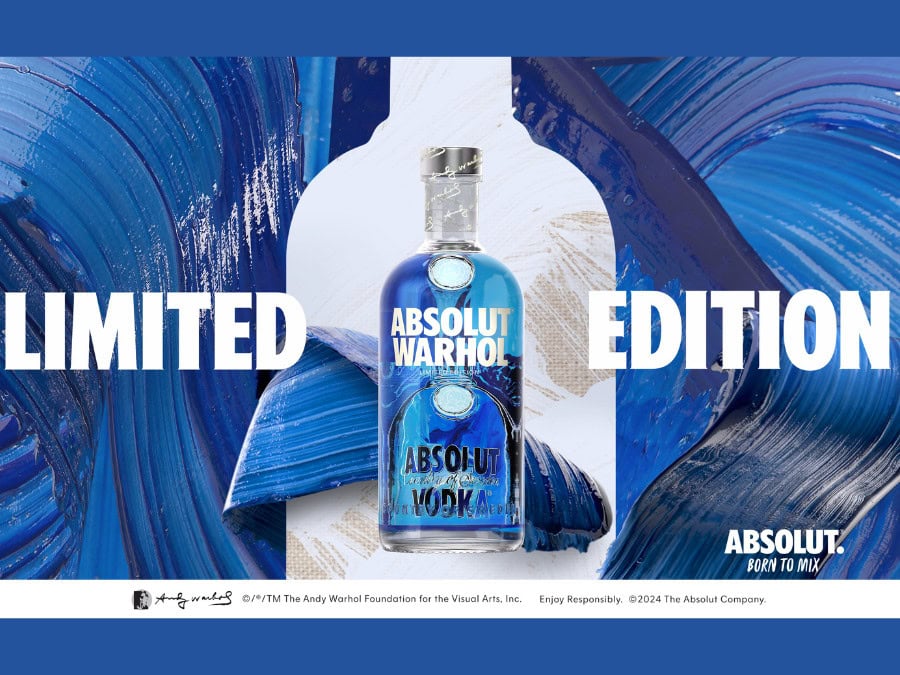
Historically, the blueprint for building a brand has been to craft the biggest, shiniest TV ad you could afford, maybe throw in some billboards, and call it your ‘brand campaign’. The time is now upon us, however, to think differently about the role the product plays in brand-building.

Has the axe fallen on environmental, social and governance? Scanning recent headlines, it’s an easy conclusion to make, when screeching declarations in the mainstream media tell us ESG is “dead”.

We are living in an AI world, of that there is no doubt. We ask Siri and Alexa about the weather, we use ChatGPT to break down complex subjects into easy-to-understand snippets, and we even get personalised suggestions on which bar or restaurant will be best for us to visit based on previous outings. Yes, even our on-premise visits are becoming AI-generated.
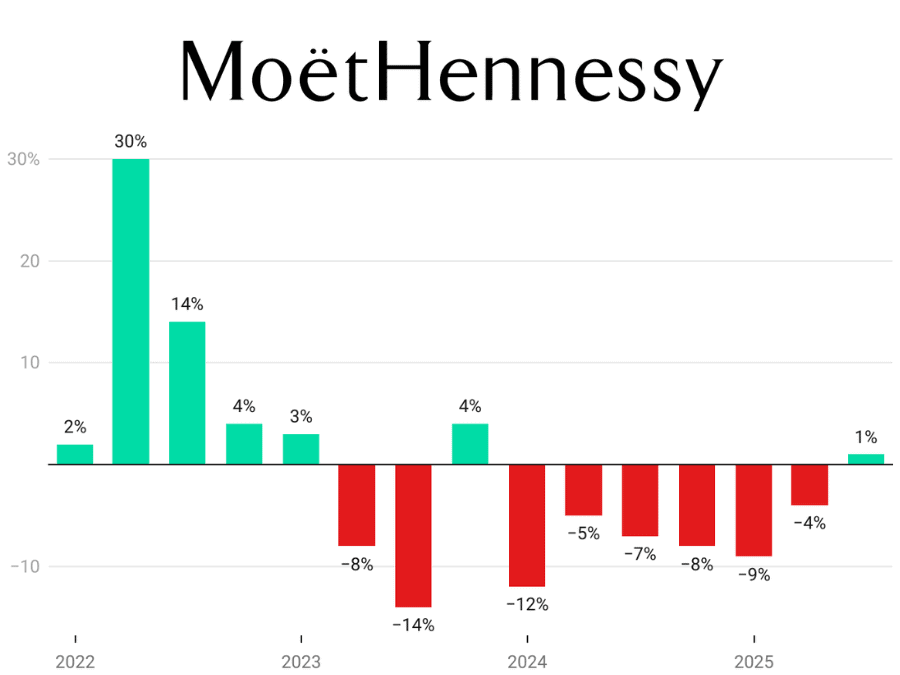
Moët Hennessy has suffered a run of disappointing results in recent quarters. Industry analysts suggested at the start of this year that a spinoff may be the best solution for LVMH’s struggling wine & spirits unit.
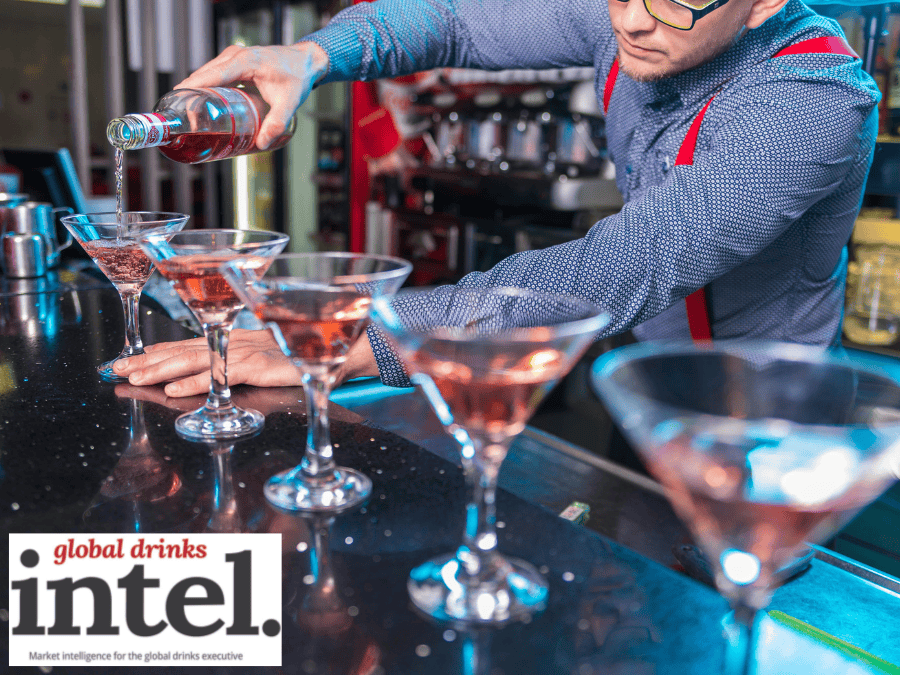
In today’s volatile trading environment, where margins are increasingly squeezed and volume growth is, at best, sluggish, and, at worst, non-existent, the high-end offers a refreshing and appealing alternative for beverage alcohol brand owners.
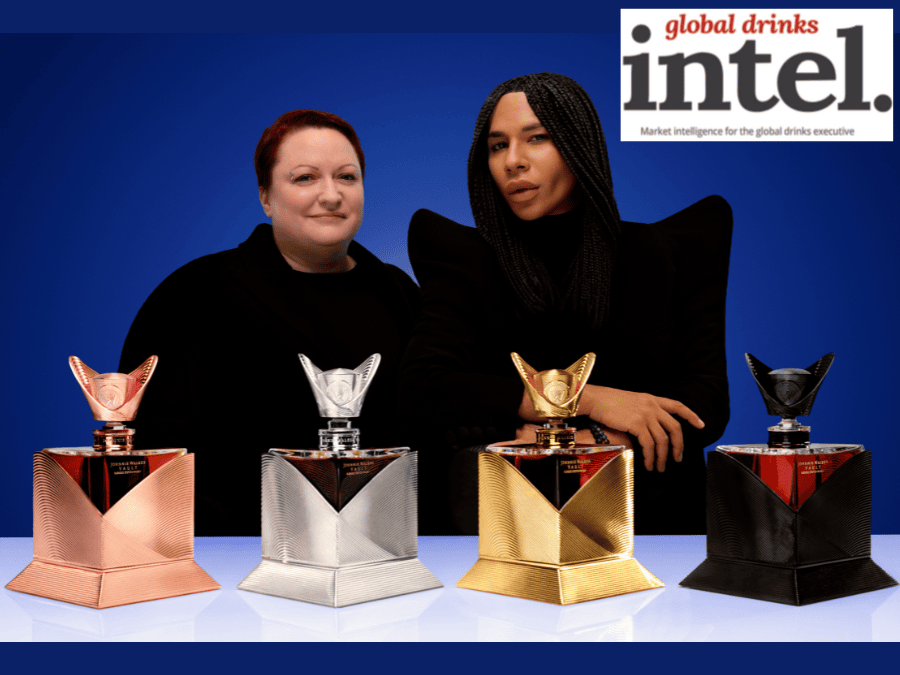
Gone are the days when a luxury Johnnie Walker experience meant splurging an extra tenner to upgrade from Red to Black. Back in June, the world’s biggest scotch whisky brand unveiled a new limited-edition range carrying a rather high-end price tag of US$20,000 a bottle.
‘Stop being poor.’ That’s my reaction when people ask me why premium non-alcoholic drinks cost as much as drinks that contain alcohol. Well … not really. But maybe. Sort of. In a way.
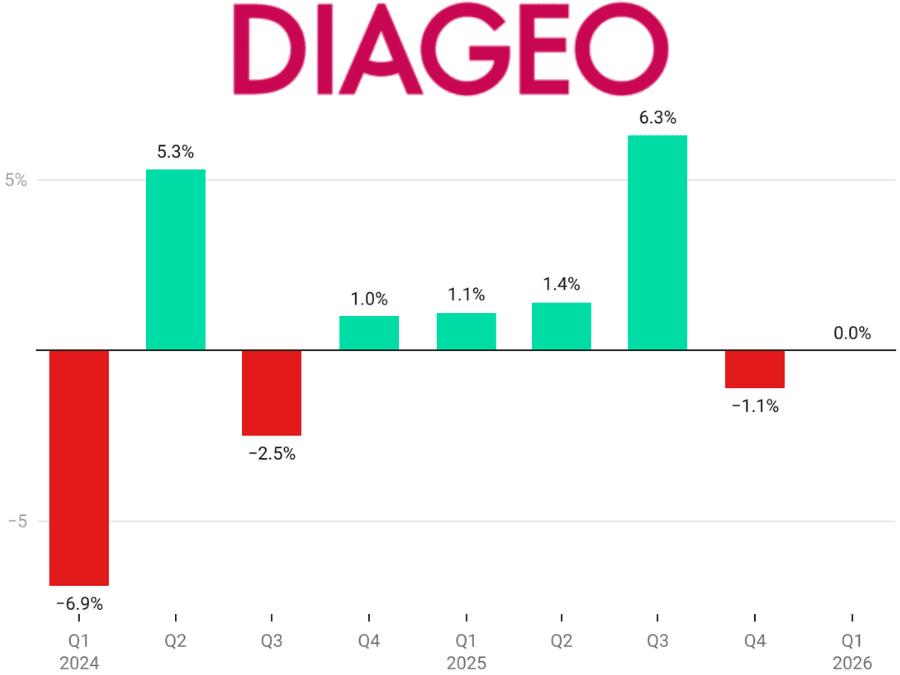
In 2014, Dave Lewis was appointed CEO at Tesco on the strength of his ruthless – and successful – right-sizing and efficiency-focused approach at previous employer Unilever. Emerging from his 28 years at the latter with the nickname Drastic Dave, Lewis spent the next six years at the (at the time) bloated mess that was Tesco, setting about the task in hand with similar zeal – and success. His appointment at Diageo, announced in early November, couldn’t possibly be an admission by the Guinness and Johnnie Walker owner that it too is in need of saving – Could it?
It’s tempting to think you need as much research as possible before you can make the right business decisions. That you must push the boundaries of consumer understanding at the coalface of in-depth knowledge. But if you’re the kind of drinks industry executive who thinks they can never have enough research, then think again. Too much research really can be counterproductive
Everybody knows that Donald Trump’s favourite word is ‘tariff’. At the same time, his ‘war on woke’ could also spell trouble for the growing ESG movement.
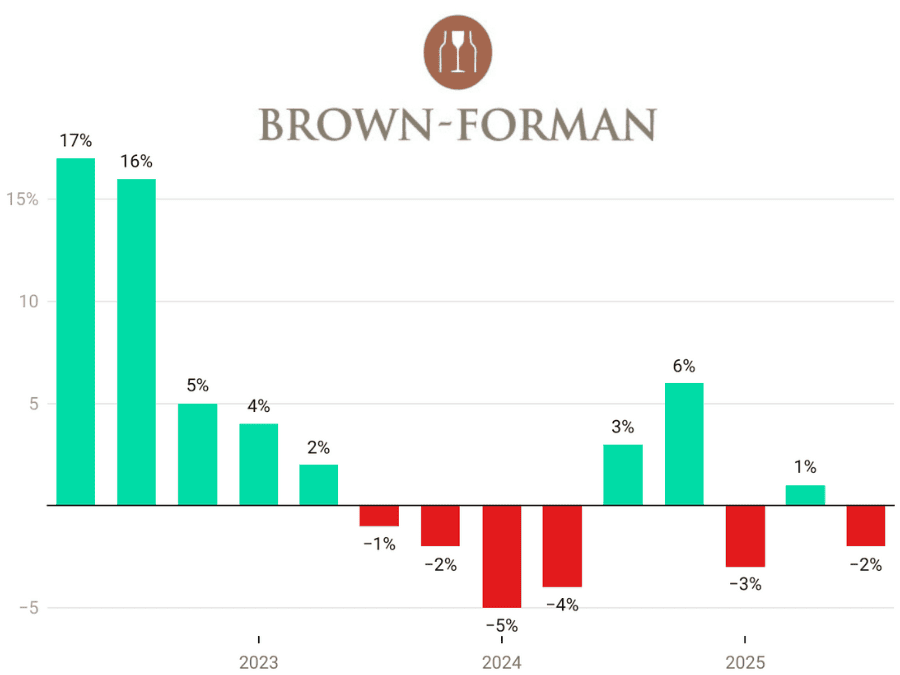
Brown-Forman started the year in consolidatory form, confirming its intention in January to reduce its headcount of 5,400 by almost 650. Understandably, the move, one of a brace of what the brand owner described as “strategic initiatives for growth”, has been linked by some observers to not only the group’s performances of late but also more generally to the state of the spirits industry in the US – Brown-Forman’s biggest (and home) market.
There’s little doubt that we are living through the era of wellness and wellbeing. Between cold-pressed detox juices, Bikram yoga, gut-boosting probiotics and Alexa-integrated air filters, we are being inundated with products and services that revolve around personal betterment. The target? To be the best versions of ourselves.