In March, Global Drinks Intel travelled to Paris to meet Daphnée Hor, the head of cultural foresight for Pernod Ricard. Hor’s team had just completed an in-depth project that considered the world in 2050 and how the state of the planet will impact the consumer landscape.
Understanding the intersecting forces of economics, health & wellness and purpose will allow beverage alcohol brand owners to better anticipate future trends and innovations.
While the facts show that both Millennial and Gen Z consumers are drinking less alcohol, do they like the same things in the same settings at the same times? Or, do the two groups have wildly different consumption occasions and needs?
Despite previous claims to the contrary, sustainability has finally become an all-important purchase driver across beverage alcohol. Global Drinks Intel speaks to brand owners large and small about the challenges they face as they frame their communication accordingly.
As beer, spirits and wine brands lock their sights on younger LDA consumers, are they letting Generation X and Baby Boomer ‘active agers’ slip through their nets?
The rise of moderation and premiumisation should have sounded the death knell for the shot serve, but bartenders are coming up with innovative creations to keep the party going.
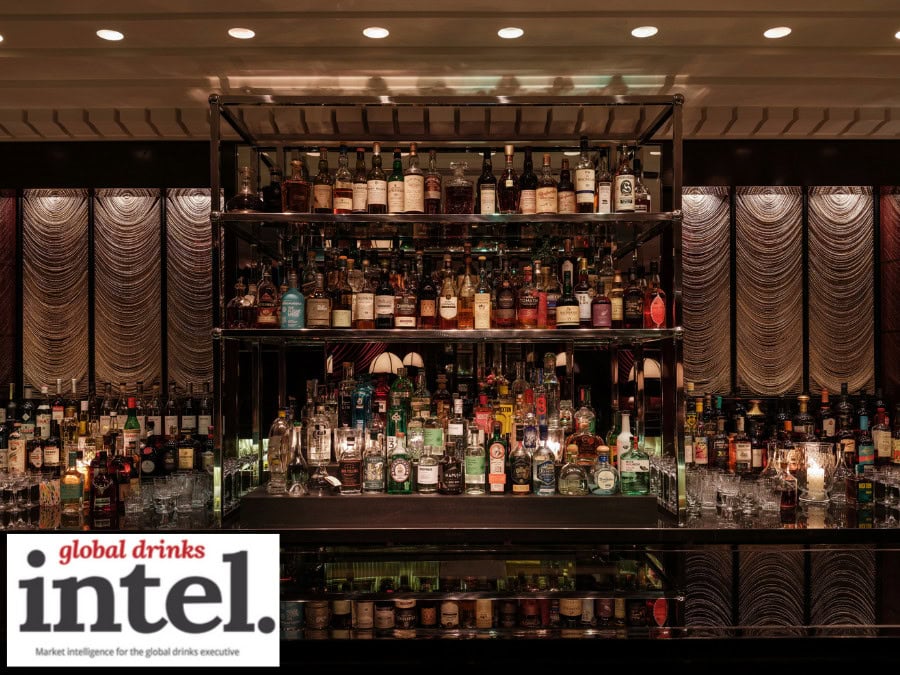
While most consumers opt for classic cocktails, there is a growing demand for experimental signature serves in the on-premise – a channel increasingly polarised by a desire for high-quality serves and a demand for good-value cocktails.
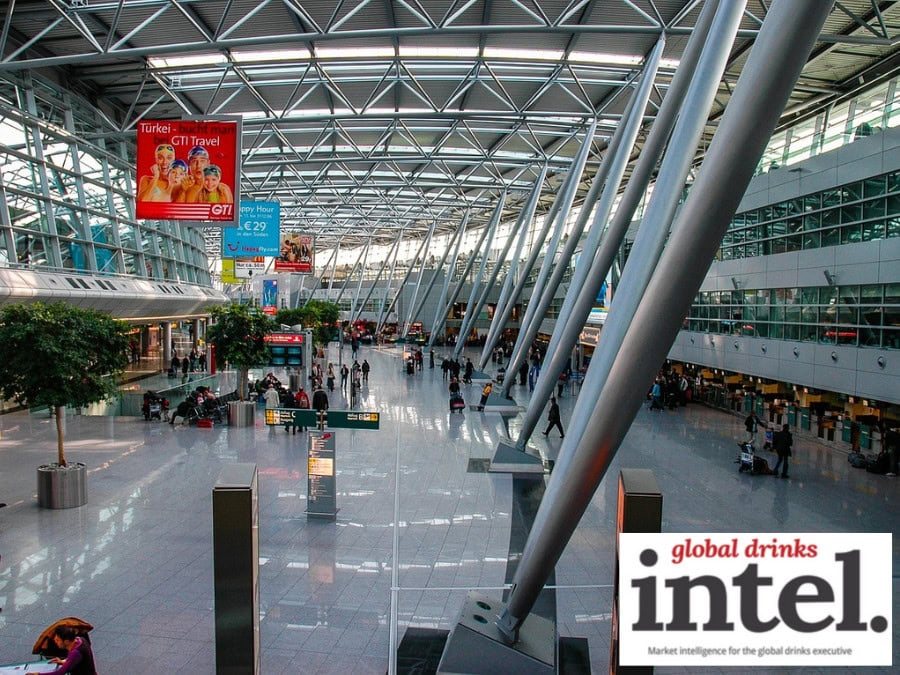
Airport bars provide some unique opportunities for alcohol brands to encourage trial, build loyalty and drive premiumisation – but only if brand owners respond to consumer behaviour in this unique environment.
Bartenders love the versatility of Mediterranean liqueurs, but brand owners are still innovating to keep up with modern trends.
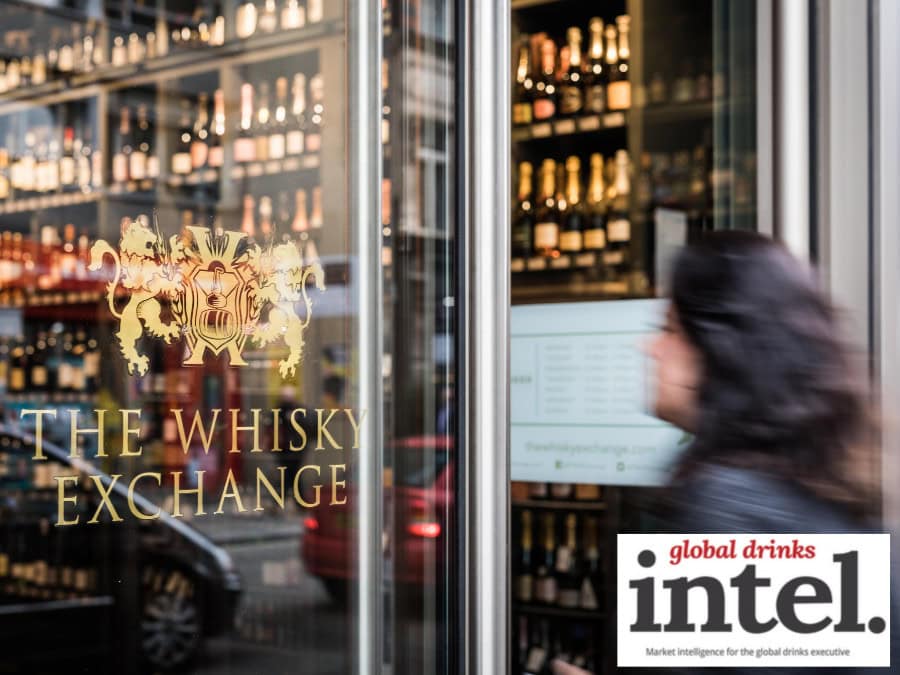
At the time, Pernod Ricard’s acquisition of The Whisky Exchange in 2021 was a curious move, but the CEO of the group’s direct-to-consumer business unit, Nicolas Oudinot, says keeping the business independently managed has earned the trust of competing brand owners.