Bartenders remain captivated by the breadth, quality and versatility of Mediterranean liqueurs, and are finding new and inventive ways to use them beyond their traditional roles as aperitifs and digestifs. This continued and growing interest is reflected in the findings of the Bacardí Cocktail Trends Report 2024, which revealed a 42% upswing in interest in bitter and amaro liqueurs by bartenders. Sweeter styles of Mediterranean liqueurs have their admirers too.
“Italian liqueurs like limoncello or amaretto can be incredibly versatile,” says the head bartender of St James Bar at the Sofitel London St James Hotel, Paul Minea. “For refreshing summer drinks, limoncello pairs beautifully with sparkling water and fresh berries for a light spritz.
“Amaretto can be blended into boozy milkshakes, combining it with vanilla ice cream and a touch of coffee liqueur for a decadent treat,” he continues. “Using these liqueurs in unconventional ways can showcase their versatility and broaden their appeal.”
Luca Cicalese, the head mixologist at Velvet by Salvatore Calabrese, the legendary mixologist’s latest bar in London’s Corinthia Hotel, is equally enthused. “Italian liqueurs offer a diverse range of flavours beyond traditional aperitifs and digestifs,” he says. “In the last year, I’ve delved into exciting under-appreciated liqueurs such as Eve Mediterranean Liquor, which boasts a fig leaf base. Its unparalleled versatility and unique flavour make it a standout, easily one of the finest fig leaf liquors available.”
From a supplier perspective, the prevailing cocktail culture among on-premise consumers has hugely benefited Mediterranean liqueur producers over the past two decades. The post-dinner digestif, the traditional mode of consumption for many of these liqueurs, was in decline, impacted by shifting meal patterns, social changes and rising health awareness. A growing interest in classic cocktails, such as the negroni, coupled with the internationalisation of the pre-dinner aperitif, exemplified by the runaway success of the Aperol spritz, has come to the rescue.
The export director at Luxardo, best known for its Maraschino Liqueur, recalls the family-owned company’s pivot towards cocktails. “Everything started in 2004,” recalls Matteo Luxardo. “Yes, Luxardo was an ingredient in many cocktails like the martinez, the hemingway special and the last word. But before that date, not many people knew about those drinks, especially the classic bar crowd. In 2004, the cocktail came back in fashion, as did Luxardo. Nowadays, we’re in the best bars in the world.
“Today, we have many cocktail-oriented products: Maraschino Luxardo, London Dry Gin, Bitter Bianco, Bitter Rosso, Triplum Triple Sec, Sour Cherry Gin, Cherry Sangue Morlacco and many others,” he adds. “We’re also launching a new range of bitters — Rhubarb, Sour Cherry, Bitter Orange, Coffee and Chamomile. All are available in 20cl bottles and are made from infusions that we already do for our liqueurs.”
Easy to make, easy to drink
For many liqueur brands, simple easy-to-make cocktails are the focus. For Jean-Pierre Trouillet, export department manager at Distilleries et Domaines de Provence, a French producer of gin, absinthe, vermouth and fruit liqueurs, the highball is king. He describes them as natural-tasting, fresh and requiring just two or three ingredients so that the base spirit can still shine through.
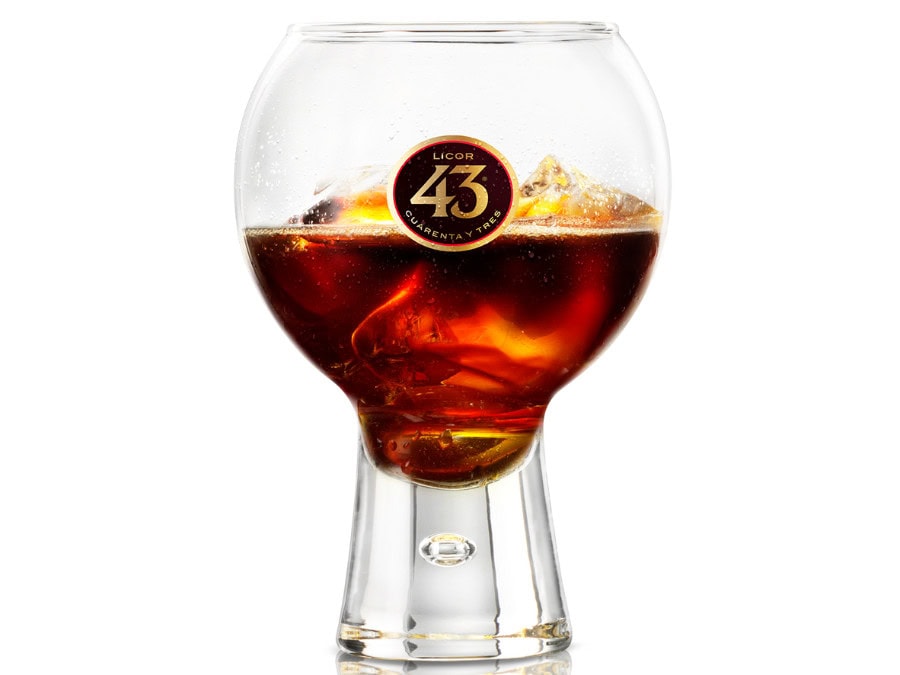
According to Bacardí’s cocktail report, around 45% of bartenders are interested in experimenting with coffee flavours, which perhaps explains why the carajillo, a simple mix of espresso and Licor 43 liqueur (above), has seen a huge surge in international popularity.
Licor 43’s Spanish owner, Zamora Co, has long championed the carajillo, challenging bartenders around the world to create their own twist on the serve at its annual Bartender & Barista (B&B) Challenge, now in its eighth year.
“We have long focused on coffee when training in the on-trade and communicating this to our consumers, so really this growing popularity is the result of many years of consistent work and focus,” says CMO Blanca de la Infiesta. “It all started in Mexico where Licor 43 is absolutely the number one brand associated with this drink, but we are now also exploding in other markets like Brazil and the US. The carajillo is starting to become a real focus for us in Spain as well, which really shows how much we believe in it.
“You can twist this [cocktail] in many ways, from the type of coffee you use and its extraction method to whether you serve it hot or cold, and any garnishes you use from cinnamon to an orange slice,” adds De la Infiesta. “Last year’s B&B winner, Gabriela Wong Arias, created the capital vice, made with Licor 43, cold brew [coffee], brandy, pineapple cordial, nutmeg and cardamom.”
Much like the carajillo but with a more summery feel, the limoncello spritz = a mix of limoncello, prosecco and club soda – is another simple-to-make cocktail gaining international popularity. Google searches for ‘limoncello spritz’ have rocketed over the past year, with the most interest coming in cooler-climate European markets such as Iceland, Germany, Denmark and Finland.
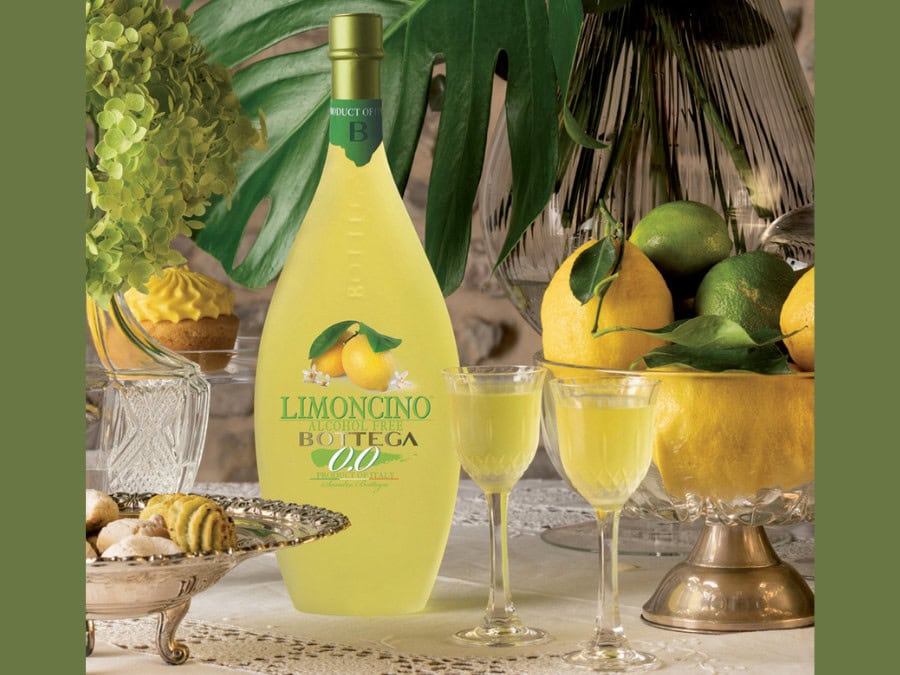
Veneto-based firm Bottega has certainly capitalised on limoncello’s popularity. Two years ago, the company launched an extension to its longstanding Bottega Limoncino brand, with the more premium Limoncello di Sorrento, made with lemons from the Sorrento Peninsula and the island of Capri. Quite the limoncello specialist, Bottega also produces a limoncello cream, Crema di Limoncino, an organic limoncello, Limoncino Bio, and even a non-alcoholic Limoncino 0.0 (below).
In recent months, the company also launched an RTD, Lemon Spritz, a blend of Bottega Limoncino, sparkling wine and mint. The extension is available in three formats: a 25cl can, a 20cl mini-bottle and a standard 75cl bottle.
“Premix is a new frontier for liqueur producers and some of them are ready with their proposals,” says company president Sandro Bottega, who describes his company as a limoncello “specialist”. He adds: “Our Lemon Spritz is a great success, not just in the airline channel, but also in many domestic markets. Due also to the reduced alcohol content, it meets the favour of the younger generations, in particular the canned version, which evokes more informal ways of consumption.”
When is sweet too sweet?
The issue of high sugar content in many Mediterranean liqueurs is a live one. Some bartenders argue sweetness comes with the territory and downplay the idea that younger Gen Z consumers are put off by it. “Gen Z is more interested in discovering new flavours and also care more about the way liquids are produced,” insists the manager of London cocktail bar Equal Parts, Jamaïque Ardilouze. “Mediterranean liqueurs have always been involved in cocktail-making and will be for a long time to come.”
In a similar vein, Minea from St James Bar notes: “Gen Z consumers seem more concerned about alcohol content than sugar levels, making it possible to create innovative and flavourful cocktails that cater to their preferences.”
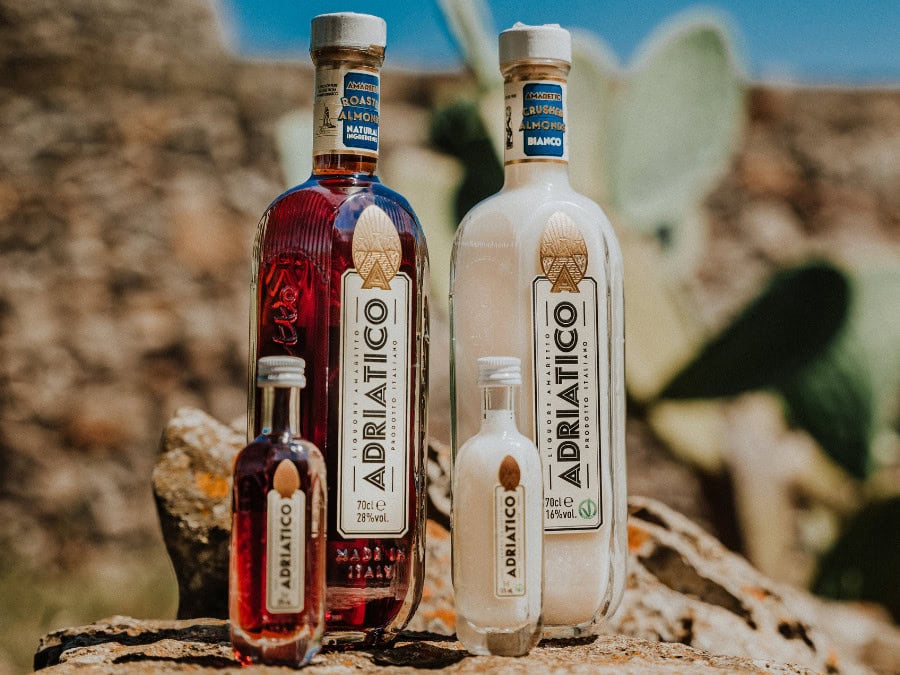
Nevertheless, some newer brand owners recognise that sugar can be a concern for some consumers. “Since day one, Adriatico [Amaretto] (below) and Mamma Mia! [Limoncello] have been engineered to contain half of the sweetness compared to traditional liqueurs,” says Bellaventura Brands co-founder Jean-Robert Bellanger. “They’re also gluten-free and vegan-certified, with no colouring or preservatives; ‘attention to quality’ is our motto.”
Importance of education
In the fast-paced on-premise environment, where a host of other spirits categories compete fiercely, Mediterranean liqueur brand owners have to invest in education lest their profiles fade.
“Education is a key part of what we do at Amaro Santoni, educating bartenders about the heritage and unique qualities of our product is paramount to us,” says the Tuscan aperitivo’s co-founder, Luca Missaglia. “This is why we provide our community with comprehensive training programmes where we create a parallel masterclass between the creativity and innovation in cocktail-making. In the next few months, we’ll be opening the door to our Amaro Santoni distillery, which will give us the opportunity to host clients, friends and community for an immersive experience,” he adds. “This will allow them to deepen their understanding of our product’s origins, ingredients and craftsmanship.”
By the same token, many bartenders and mixologists are keen to pass on their acquired knowledge and passion about the many Mediterranean liqueurs to their customers. “When we talk about liqueurs, we like to explain the region of origin, the landscape and talk about the producer,” says Aurélie Panhelleux, co-owner of CopperBay, which runs cocktail bars in Paris and Marseille.
“Our customers love the stories behind the bottles, and this is a good way to draw attention to a product. Then, we talk about ingredients and production. We always keep it simple and clear to make sure our guests will remember it.”
Bartenders clearly have deep affection and connection with Mediterranean liqueurs. At the same time, brand owners aren’t taking anything for granted and are responding to recent consumer trends by introducing lower-sugar options and premixed cocktails, expanding their appeal to a broader audience.
This article is available to Global Drinks Intel members only.
Click below for details on how to join the Global Drinks Intel community.
Already a member?
Log in here to read the article in full.
If you work for any of the following corporate subscribers to Global Drinks Intel, head here to activate your access.
- AB InBev
- Bacardi
- Campari Group
- Diageo
- Moët Hennessy
- Pernod Ricard
- Proximo Spirits
- Suntory Global Spirits
- William Grant & Sons