

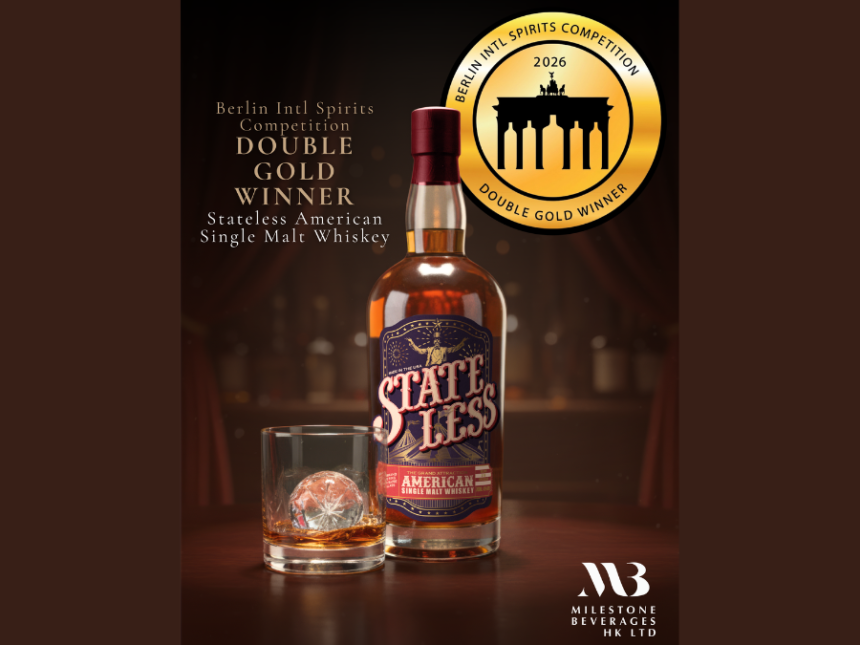
Earlier this month, Milestone Beverages HK Ltd was a double gold winner at the Berlin International Spirits Competition 2026 with its Stateless single malt American whiskey. The company’s MD, Joe Milner (below), considers the current state of the wider whisk(e)y category from a consumer’s perspective.
How is the US market for spirits behaving at the moment?
The US spirits market is going through a heavy downturn with high inventory, big discounting, economic challenges and slower consumer demand. When you add weight-loss drugs, marijuana, Gen Z avoiding alcohol, it feels like a perfect storm. To be fair, it’s happening all over the world, except in a few emerging markets, such as India.
There’s plenty of debate whether this is structural or cyclical, and my honest view is that it’s most likely to be structural. Lately, I feel there’s too much bashing on alcohol being bad for you, and the industry needs to do better at promoting the social benefits to younger consumers.
That said, it seems the on-premise in the US is bouncing back strongly, compared to other mature markets.

How is the consumer evolving? What are their main priorities when buying spirits?
Consumers are being more selective and value-driven with spirits. They seem to prioritise health & wellness, and are more intentional about their choices, They’re shifting more towards convenience (RTDs) and novelty. The consumer seems to be trading down from prestige to more value propositions that can offer a good experience.
How are consumers reacting to domestic spirits, such as American whiskey, and to imported spirits, such as Japanese whisky?
During this downturn, consumers seem to favour what they know, so big multinational US brands seem to stay resilient. It looks like there’s still room for premiumisation in American whiskey, for example, with single malt, but I feel that independent mainstream-priced American whiskies will continue to struggle for some time, especially with the oversupply issues.
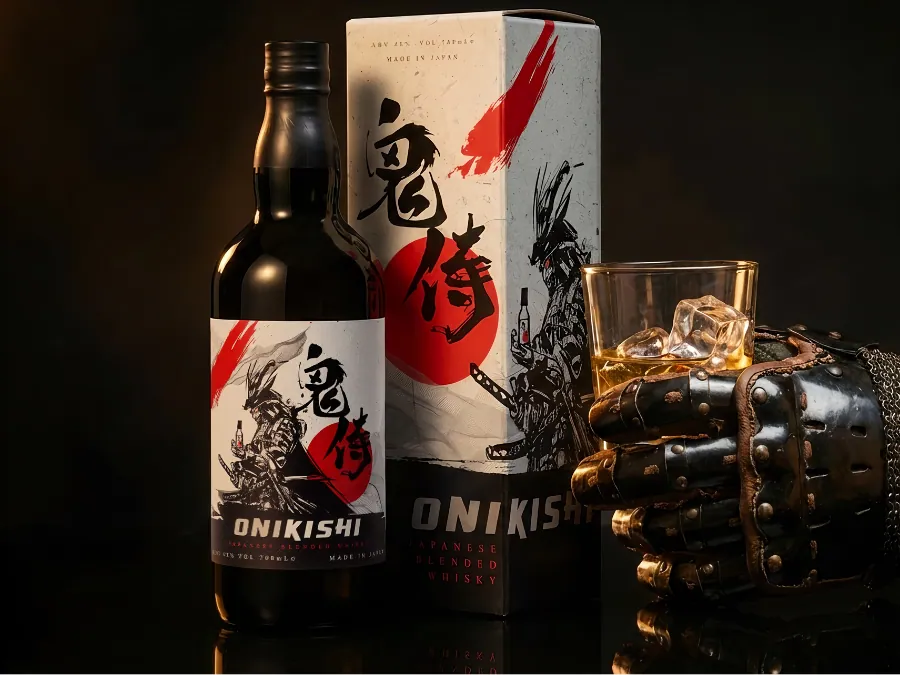
Unfortunately, imported spirits like scotch and Irish whiskey have declined, and the on-and-off tariffs with the EU aren’t helping. Japanese whisky still remains one of the few bright spots of growth within the whisk(e)y category. However, the category is still somewhat aspirational and still quite focused on Japanese-/Asian-themed bars and restaurants. Our Onikishi Japanese whiskey brand (below) has entered into a very promising space in the US with few competitors.
Which sales channels are proving most challenging?
The off-premise is struggling, due to tighter consumer spend, down-trading and massive oversupply. Within this space, consumers seem to be abandoning US$180-plus per-bottle, and opting more for the $50-to-$70 price point, which some industry experts say is the ‘sweet spot’.
CBD, experimental, low-ABV, convenience and novelty all seem to be on-trend and I believe this will continue. Meanwhile, the on-premise channel seems to be doing better, with more consumers spending more in bars and restaurants in 2026.
How are you approaching younger LDA consumers, who have a much more considered attitude to alcohol?
As a business, we don’t target young-LDA specifically, but my perspective is that I don’t think younger consumers are saying no to alcohol. They’re just drinking less and being more intentional about their choices.
The cycle will come around and younger consumers will get tired of everything digital, and prefer in-person experiences. Lower-ABV, convenience and smaller formats will be critical to this drive. Having real, authentic in-person experiences will be essential for brands.
How are newer/smaller brands able to gain traction in the US, not only with consumers but also with distributors?
In today’s US market, newer and smaller spirits brands can still break through, but only if they adapt to the realities of a slower, more value-conscious environment. The brands that gain traction are the ones that understand that distributors have become far more risk-averse, retailers are overloaded with inventory and consumers are trading down while still craving quality and authenticity.
Success now comes from focusing on a single hero SKU that sits in that ‘affordable premium’ sweet spot, building genuine on-premise love before pushing into retail, and offering formats that drive velocity – especially RTDs or convenience-led innovations that match how consumers actually drink in 2026.
What advice do you have for entrepreneurs looking to break into the US with their brand?
My advice is to stay conservative, and resilient in 2026. The old playbook or relying on distributors can be challenging, so I’d suggest they focus on a few key states that include second-tier cities.
One strategy that will never change is to make sure you roll your sleeves up, travel into the market and meet with customers at all levels, in-person. Find a relatively small, but growing category, like Japanese whisky or American single malt, and be relentless on promoting education.
We are in survival-of-the-fittest times, so if you can stay lean, stay patient and have genuine consumer pull during these challenging times, you should come out on top when the market picks up again.
Milestone Beverages HK Ltd is located at 25/f, Arion Commercial Centre, 2-12 Queen’s Road West, Sheung Wan, Hong Kong