

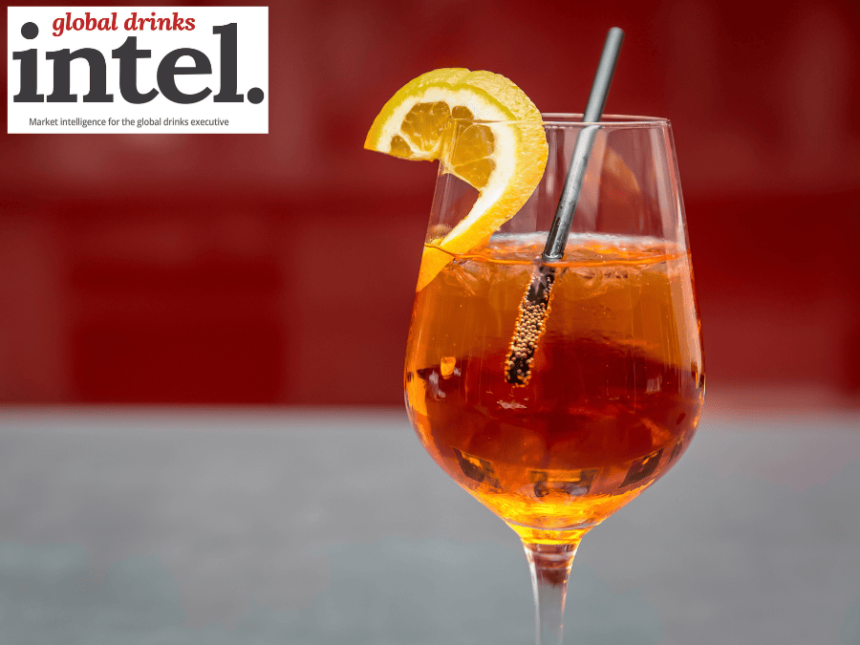
Few cocktails have enjoyed a decade quite like the all-conquering spritz. A once humble northern Italian aperitivo synonymous with leisurely afternoons has, over time, become a saviour of the beleaguered on-premise channel. The serve is equally at home on a Mediterranean terrace, a New York rooftop bar or a luxury Singapore hotel.
The spritz’s combination of moderate alcohol, refreshing taste and visual appeal has proved a winning formula, propelling it from a seasonal favourite to a year-round commercial powerhouse. According to data from IWSR, global spritz consumption rose from under 2.5bn servings in 2019 to nearly 4bn in 2024.
This is a category that’s valued at well over US$4bn globally by business consultancy firm Market Intelo. In key markets such as the UK, NIQ on-premise data shows spritz-style serves capturing over 13% of all cocktail spending during the third quarter of 2025, overtaking popular choices such as Sex on the Beach and the Pornstar Martini.

Guarding against complacency
Yet success can breed complacency. As the spritz becomes ubiquitous across the on-premise, bartenders must ward off consumer fatigue by keeping the serve fresh without losing the simplicity that made it successful in the first place. So, ahead of National Spritz Day around the world this weekend, Global Drinks Intel posed leading bartenders, mixologists and aperitif brand owners a simple question: how can you elevate a simple spritz without overcomplicating things?
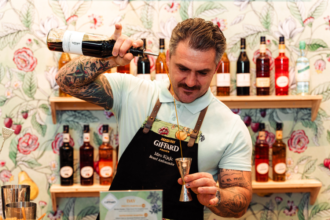
Interestingly, despite their different backgrounds, many of our interviewees arrived at remarkably similar conclusions. Perhaps the strongest consensus is that the future of the spritz lies beyond simply recreating Aperol, the category’s runaway market leader. “For bartenders and consumers, the classic orange-hued spritz is starting to feel a bit familiar, creating an opportunity for the category to evolve,” admits Colin Asare-Appiah (above), mixologist & trade director of culture & lifestyle at Bacardi. “Bars that are experimenting with playful spritz variations are helping push the category forward. For example, NYC’s Bar Belly makes a Jackalope Spritz made with Martini & Rossi Fiero alongside fresh ingredients like grapefruit, orange and celery.”
“I’ve watched the spritz evolve from a simple summer serve into one of the most important categories in the premium on-trade,” adds Oliver Morris, head of mixology at the Cotswolds Distillery, an award-winning English craft spirits producer. “For bartenders looking to take a spritz to the next level, my advice is to start with exceptional ingredients, a quality sparkling wine, large crystal-clear ice, proper glassware and thoughtful garnishes that enhance aroma as much as appearance.”
Chris Tunstall, co-founder of A Bar Above, a US hospitality education and premium barware company, agrees. He believes the traditional formula of sparkling wine, liqueur and sparkling water offers almost limitless opportunities for experimentation. “Most people seem to think the Aperol Spritz is the only option, but as long as you follow the formula of sparkling wine, liqueur, and sparkling water, you can play with the spirit and completely change the drink,” he maintains.
Swap Aperol for Cynar, Suze, Lillet Blanc or Cappelletti, Tunstall suggests, and an entirely new drink emerges while preserving the recognisable structure that defines the category. Seasonal garnishes can then provide further differentiation without overwhelming the cocktail.

A quality sparkling wine
At the Denver-based Apple Blossom hotel and restaurant, director of food & beverage Kinga Mackowiak, believes bartenders should think harder about the choice of sparkling wine. Rather than automatically reaching for prosecco, she advocates lambrusco, whose acidity, texture and red-fruit character, she maintains, create a spritz with greater depth while remaining approachable.
“The most successful spritzes introduce an unexpected flavour profile without becoming overly challenging,” she says.
Luigi Coppola (above), the bar manager at the Grand Hotel Et De Milan’s Piazzetta Caruso, takes a more purist position, demanding the finest ingredients where “every detail is carefully considered”. The star of the show should be an “exceptional prosecco”, he says, such as Montelvini Asolo Prosecco Superiore DOCG Brut. “It’s a 100% glera with a fresh, mineral character that perfectly enhances the balance and elegance of the cocktail. Even the ice is a conscious choice: we use only Hoshizaki ice, whose purity and density help maintain the ideal serving temperature while minimising dilution.”
A quality mixer is also non-negotiable. “Texture and carbonation” are crucial in maintaining a “lively, effortless feel”, argues Joe Mantle, brand ambassador at UK premium mixer & tonic producer Franklin & Sons. “Quality bubbles help lift aromas and bring energy to the serve, while careful dilution creates the perfect balance from the first sip to the very last. For such a simple result, there’s a surprising amount of technique behind getting it right.”
Thinking beyond Aperol and Saint Germain…
A new take on what aperitif is used can also work wonders too. Think beyond the safe choices of Aperol and Saint Germain, urges Jaime Rios, head bartender at New York’s Ai Fiori bar and restaurant. “I think Amaro Montenegro is very well balanced and adds nice earthy notes,” he suggests. “A spritz should be pleasing to the eye, since it is usually what you start off drinking. I also love an edible garnish so it’s like you get a little snack along with your drink.”
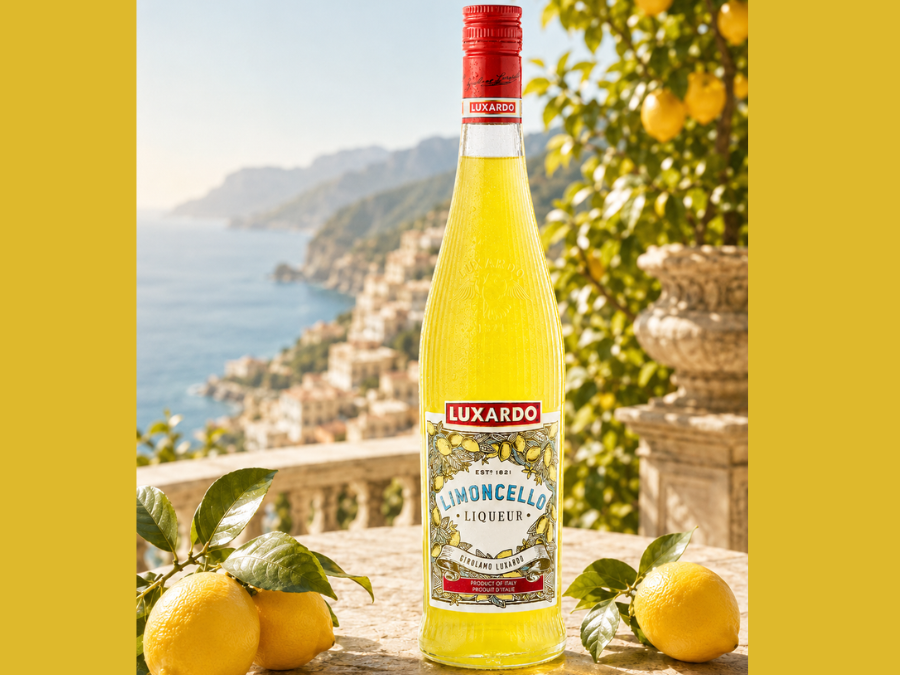
Aperol has an incredibly strong grip on the spritz market – Market Intelo estimates the brand has a commanding 32.8% share of the category. The Campari Group-owned brand’s traditional bitter-orange flavour profile has become indelibly linked with the cocktail, but citrus-led, herbal and even floral alternatives work well too. Family-owned Italian spirits producer Luxardo’s new Limoncello Spritz, for instance, replaces bitterness with a bright natural lemon character while retaining the refreshing simplicity that has become synonymous with the serve.
“Our hero serve for the off-trade is simple and easy to recreate at home,” says export director Matteo Luxardo, “Two parts Luxardo’s Limoncello (above), one part still dry white wine, a half part fresh lemon juice, topped with tonic water.”
Others argue innovation means introducing entirely new flavour families. Bellamie Aperitif founder Marie Voirin (below) says that much of today’s category still revolves around “the same codes”: orange colour, bittersweet citrus and summer terrace drinking. Rather than creating another Aperol-inspired aperitif, the British entrepreneur instead built Bellamie around cherries.
“The bright, tart fruit character makes it fresh and vibrant in spring and summer,” she explains, “while the sweet spice and almond notes from the cherry stones, alongside the warmth of the cognac, give it the depth to work beautifully through autumn and the festive season too.”

Taking the spritz into new directions
The widespread trends towards health & wellness and more moderate alcohol consumption provide an opportunity for further innovation. Nicole Sloane, the co-founder of Above Board Liqueurs, a San Diego-based range of zero-sugar and low-sugar liqueurs, argues that consumers are becoming more conscious of sugar intake while still seeking cocktails that feel celebratory and premium.
“The spritz is perfectly positioned for that shift,” she insists. “Our innovation at Above Board is plant-based, sugar-free liqueurs that allow bars to build premium spritz-style cocktails using the base spirits and sparkling wine already behind the bar, while giving diabetic, keto-conscious and health-conscious guests something they cannot typically find on a menu.
“We’re also preparing to launch our own bitter orange aperitif, created as a sugar-free alternative in the Aperol/Campari-style space,” she adds. “It was built for the spritz occasion but designed to take the category into new territory: lower sugar, full flavour and still very much cocktail-forward.”
Sloane’s emphasis on moderation also resonates with bartenders. Davide Traverso, manager & sommelier of Edinburgh-based Enoteca and Trattoria Sotto, points to the rising popularity of the hugo spritz among younger consumers, citing its lower alcohol content, easy drinkability and broad appeal across social occasions.
“Lots of our customers are asking about low-ABV wines, or opting for lower-ABV cocktails, as people want to socialise and enjoy a drink or two, without feeling the effects the next day,” he says. “Being composed of prosecco, soft elderflower liqueur and soda makes the hugo a good option here.
“The ingredients of the hugo mean it’s incredibly refreshing, but also aesthetically pleasing and ‘Instagrammable’.”
Execution matters
However, even the most innovative spritz can fail without proper execution. Data from NIQ, for instance, reveals that only 13% of on-premise consumers report receiving a spritz served to standard every time, with incorrect ingredient ratios, insufficient ice and flat carbonation all cited as primary flaws.
Here, our industry experts share their tips:
- Glassware
Think about your choice of glassware. “A well-chilled spritz served in proper glassware with quality ice immediately feels more premium,” says a spokesperson for The Parlour cocktail bar at the InterContinental New York Barclay hotel. “Presentation is a big part of the cocktail experience, especially with a drink that’s so visually driven.”
At the same time, don’t be afraid to defy convention. “You don’t have to serve a spritz in a wine glass,” argues Ai Fiori’s Jaime Rios. “For a more modern approach, I think a spritz looks great in a highball and can be lower maintenance than using stemware.”
“Moving beyond the standard wine glass into coupes, highballs or stemmed beer glasses can completely change the guest experience,” agrees Daryl Beare, brand ambassador at Disaronno International UK.
- Aroma
“Aroma is the very first thing that guests taste before anything else,” says Sanwar Mal Khokhar, a Dallas-based mixologist & beverage programme leader. “If you express an orange or lemon zest on top of your drink, the citrus oils over the glass can change the spritz completely and give it a purpose about how it should be experienced.”
- Garnishes
For Cotswolds Distillery’s Morris, a choice of garnish can add a distinctive sense of place. “Expressing fresh citrus oils over the glass, using botanicals such as lemon balm or rosemary, or incorporating seasonal ingredients, can transform a familiar serve into something guests genuinely remember,” he says.
“I prefer edible garnishes that add flavour rather than herbs left behind,” counsels the bar manager at Leeds-based cocktail bar CrowdedHouse, Frank Fianu. Ai Fiori’s Rios agrees: “An edible garnish like a slice of cucumber, orange or strawberry gives guests a snack with their drink.”
Finally, while innovation within the spritz category can help avoid consumer fatigue and drive sales, don’t push it too far, warns Disaronno’s Beare. “With all these new ideas, it still needs to be grounded, familiar and recognisable as a spritz.
“The key is to retain the spritz’s mass-market appeal – refreshing, approachable and lower in perceived intensity – while offering a sense of adventure and discovery.”