Take a look below for the rest of Global Drinks Intel’s review of the last 12 months
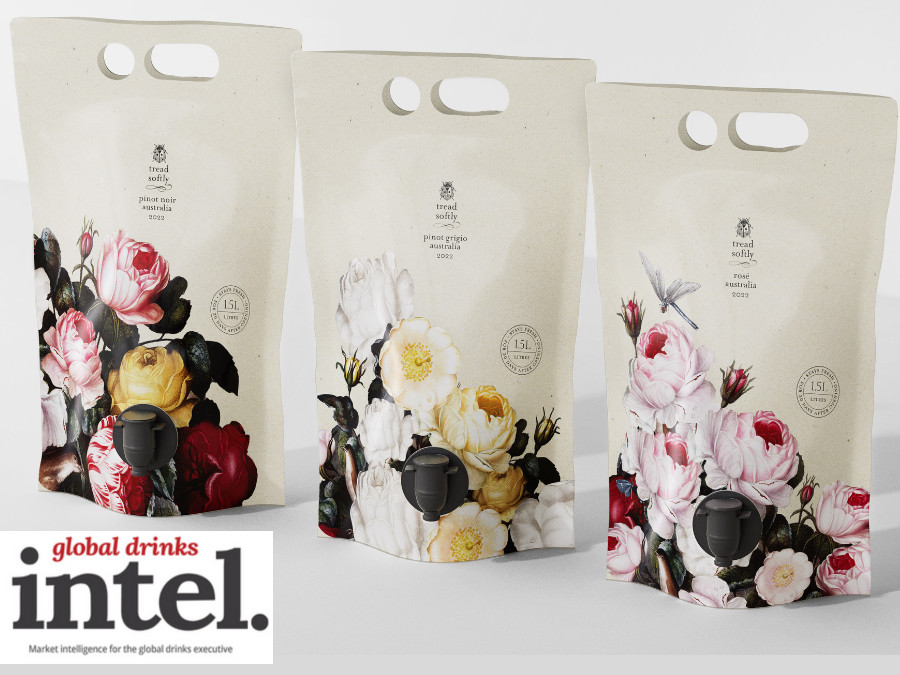
New formats, AI technology and a drive to attract younger consumers are shaking up the wine packaging scene.
As wine’s core consumer ages and new recruits are put off by the category’s perceived lack of accessibility, RTDs have gained momentum, boosted by their convenience, flavour innovation and appeal to younger LDA drinkers. How can the wine industry stem the tide?
Just because the trading landscape is different doesn’t mean that the days of successful wine lists are over. There are plenty of innovative ways to reignite the spark.
In many markets, budgets for alcohol are shrinking, thanks to cost-of-living concerns and the moderation trend. But, affluent consumers appear more insulated – and Gen Z is making a comeback, according to Bevtrac, IWSR’s longitudinal consumer sentiment tracker.
Despite the region’s economic uncertainty, Europe’s sparkling wine industry remains bullish about its premiumisation star performer.
As economic uncertainty persists into 2025, a number of growth opportunities are manifesting themselves for beverage alcohol. Emerging economies offer a buoyant counterpoint to more subdued mature markets, and nascent growth in the on-premise sounds a note of optimism for the year ahead.
Sparkling wine has been surging in the global travel retail channel as brands embrace premiumisation, innovation and experience-led strategies to capture consumers in what has been champagne’s traditional stronghold.
The no- & low-alcohol category is growing increasingly sophisticated and better defined as innovation abounds and mindful drinking goes mainstream.
The fortified wine category has been working hard to overcome its recent volume declines by recruiting younger LDA consumers – without marginalising its traditional base.
Sales of champagne have contracted, and exports are down double digits as other sparkling categories expand. What led to this downward spiral, and what does it mean for higher-end fizz longer term?