

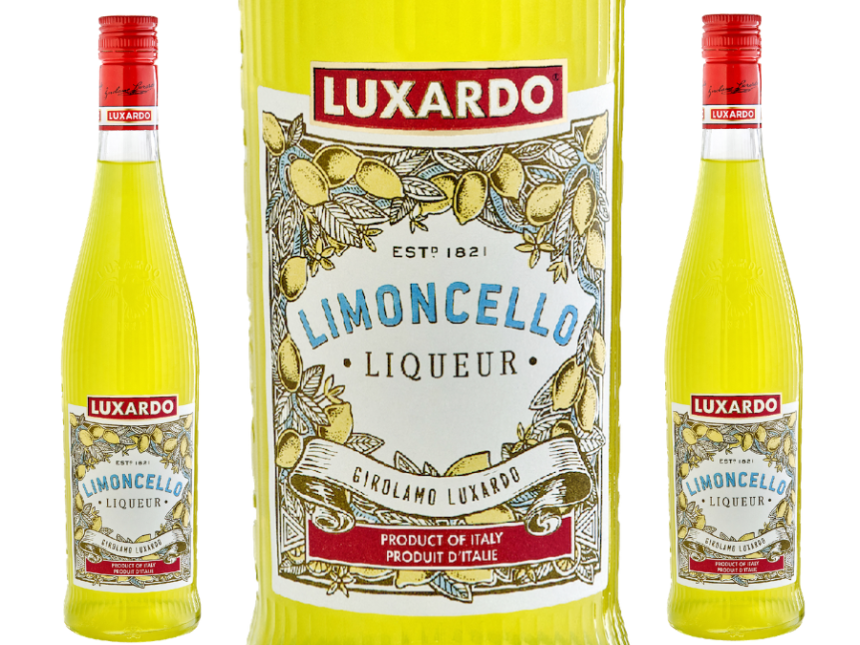
Luxardo has readied a revision of the appearance of its namesake Limoncello that will result in a “significantly” smaller carbon footprint.
The Italian liqueur maker has swapped the previous frosted-glass bottle (below) for a “reeded” design (above) that it says requires less energy to produce. The new bottles will be rolled out in all markets, ahead of what Luxardo called “Limoncello Spritz season”.
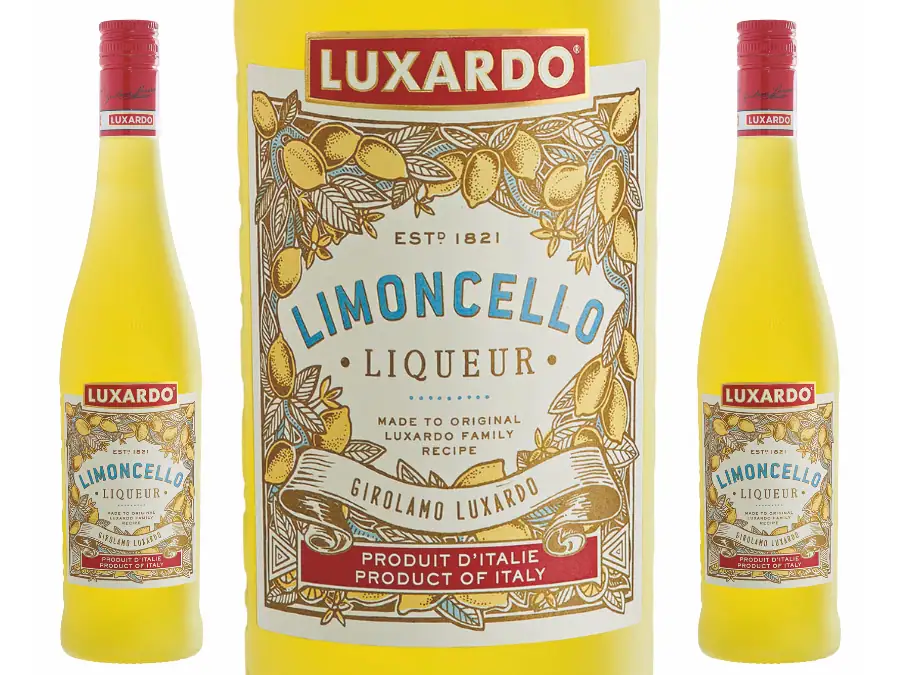
“The idea was to refresh the packaging while keeping the bottle immediately recognisable as Luxardo Limoncello,” said export director Nicolò Luxardo. “The overall shape and label architecture remains very close to the previous version, but we removed the frosted-glass finish and introduced vertical fluting to give the bottle a more premium and textured look.”
Nicolò Luxardo also flagged the environmental benefits of the change. “Based on the life cycle assessment carried out by our manufacturer,” he said, “the new bottle shows measurable reductions across several environmental impact indicators versus the previous version, including lower fossil fuel use, lower CO2 impact and lower water consumption across all formats and configurations.
“The removal of the frosting process and the optimisation of the glass structure both contributed positively during the evaluation phase, while also simplifying the production process, improving supply-chain reliability and helping reduce lead times.”
Earlier this year Campari Group repackaged its flagship Aperol brand in a bottle with a similar “rippled glass” effect – the “first major aesthetic update” for Aperol since its debut in 1919.