
In spirits, the role of flavour extensions has long felt like a fun, if superficial, race to the bottom of the sweet jar. The palates of many modern drinkers are maturing, though, necessitating a new focus on botanical integrity and terroir rather than sweetness, gaudy colours and artificial ingredients.
Among spirits brand owners and producers right now, there’s a new seriousness in the air: a feeling that flavoured spirits can be grown-up; they need not mask the flavours of the base spirit.
This shift away from the laboratory towards all things natural is happening at the same time as the rate of NPD is decelerating and becoming more disciplined. It’s a change born of both economic necessity and a desire for greater longevity on the shelf.
However, this renewed focus on calculated craftsmanship and distillation with sincerity is not without risk, particularly if safer, more standard, volume-driving flavoured expressions are elbowed aside.
The role of health & wellness
London-based future trends forecaster WGSN believes the swing towards natural flavours is partly being driven by the wider moderation and health & wellness movement that’s playing out in many markets worldwide.
“As more consumers become aware of ultra-processed foods and the potential harmful effects of some additives, emulsifiers or chemicals, they are seeking out low or even toxin-free lives, be that with their food, drink, cosmetics or beauty products, to everything throughout their home,” explains WGSN’s director of food & drinks, Jennifer Creevy.
“This movement started out in the health space, but is rapidly gaining mainstream attention and is something to pay attention to in beverage alcohol.”
UK-based e-commerce platform The Whisky Exchange has certainly noticed consumers wanting more transparency from flavoured spirits producers. “For the rum category, we currently have a drop-down that states whether there are additives or not,” reveals commercial buying director Dawn Davies. “We’re looking at a similar function for categories such as tequila.
“Eventually, we’d like to see this rolled out to all [spirits] categories. When we’re buying, we look at whether the components in flavoured spirits are natural or essences, as we prefer those that have real ingredients.”
Davies is a firm believer that most flavoured spirits are made carelessly.
“There’s more longevity and more premiumisation opportunities in the flavoured spirits that use good liquid as their base and natural ingredients ethically sourced with a strong and real story around them,” she argues.
Mixology goes DIY
In the mixology arena, some bartenders are similarly dismissive of mainstream flavoured spirits, preferring to opt for local or even homemade alternatives.
“Flavoured spirits made in a factory have seen a significant decline in usage,” says Dicky Hartono, beverage manager at the Firefly Bar at the Sindhorn Kempinski Hotel in Bangkok. “Nowadays, bartenders tend to create their own flavoured spirits to get more natural flavours of the base ingredients that they want to enhance.
“Jasmine flower tequila or Thai guava gin are more appealing to guests than using flavoured spirits, such as vanilla vodka or banana rum that’s factory-made.”
Word of warning
A swing toward speciality, niche flavour profiles is not without its risks, points out Vancouver, Canada-based brand activation expert & founder of Directionless Creative Evelyn Martin, who counts drinks multinationals Diageo and AB InBev as past clients.
“We need to be careful we’re not switching people from high-volume, versatile standard flavours to super-speciality flavour profiles,” she argues. “Most people probably wouldn’t need to repurchase a bottle of spicy pickle vodka as quickly as plain vodka.
“I worked on the launch of Cîroc Vanilla, and it was a product that was a challenge for a lot of bartenders, because it was such a strong flavour. It was absolutely ideal for an espresso martini, and worth having on my bar cart forever purely for espresso martinis, but if I’m not making that one drink, I don’t reach for it.”
Vodka – From sweet shop to spice rack
No spirits category is as synonymous with flavoured line extensions as vodka, a trend turbocharged by Swedish brand Absolut in the mid-1980s.
However, global leader in beverage alcohol data & insights IWSR forecasts this subcategory will remain flat, with a 0% CAGR over the next three years.
“Difficult market conditions in the US have led to less investment in innovation and, as a result, a slowdown in new brand launches,” says research director Adam Rogers. “Many companies are streamlining their portfolios to maintain profitability by reducing their SKU offerings and/or selling brands altogether.
“There haven’t been many new launches of flavoured vodka or tequila in the past few years. That said, flavoured offerings are in demand among younger LDA consumers seeking a more flavourful [drinking] occasion.”
Turning up the heat
One clear trend is for spicy vodka line extensions. The Bacardí 2025 Cocktail Trends Report noted that 24% of bartenders now rank ‘spicy’ as a top three flavour request.
The spicy martini is emerging as the hero serve here; the savoury-forward cocktail often acts as a liquid appetiser ahead of dinner, a reflection of the earlier aperitivo drinking occasion ascending over the late-night clubbing scene.
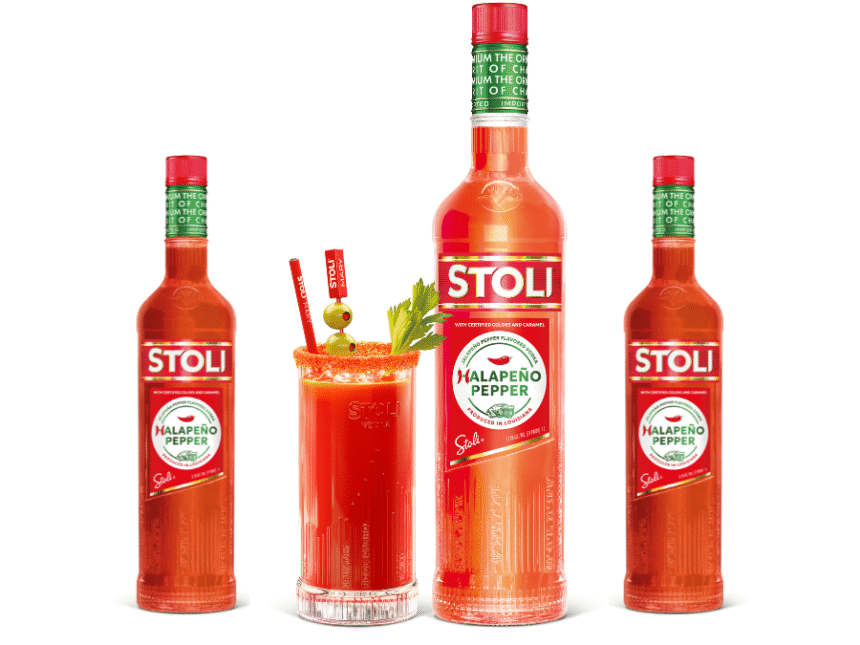
The largest recent launch in this area is Stoli Halapeño Pepper (above). Made with “advanced filtration” to keep the heat clean and accessible rather than syrupy, the brand extension launched across the US in January.
The first Stoli vodka to be produced and bottled in Louisiana, at Stoli Group-owned Louisiana Spirits, home of Bayou Rum, the new flavour intentionally leans into the “terroir” of the American South’s bold food culture, says group CMO Marina Troyanovskaya.
“With demand for spicy cocktails rising, and brunch culture, Stoli Halapeño Pepper was developed to be the definitive spicy vodka for a next-level bloody mary,” she says. “This is about giving people permission to get playful with flavour. The balanced heat profile makes it highly mixable for both bartenders and at-home cocktail enthusiasts.”
Continuing the spicy theme, England’s Ramsbury Distillery unveiled Hot Honey Vodka last July, introducing what the company frames as being a more elevated slant on the ‘swicy’ (sweet and spicy) craze, which has gripped the UK’s fast-food sector in the past few years.
“Spicy, savoury and herbal profiles are gaining traction, particularly in the cocktail scene, as consumers seek more adventurous flavour experiences,” says Ramsbury master distiller & GM Nik Fordham.
“Our Hot Honey Vodka exemplifies this trend, delivering a balance of subtle heat, a spicy finish and a fruity base. It became a standout SKU last summer and worked beautifully in serves like a margarita twist.”
Fruit forward
Away from the savoury side of things, fruit flavours remain popular within the vodka category. Yet again, the health & wellness-driven trend towards natural flavourings is very noticeable.
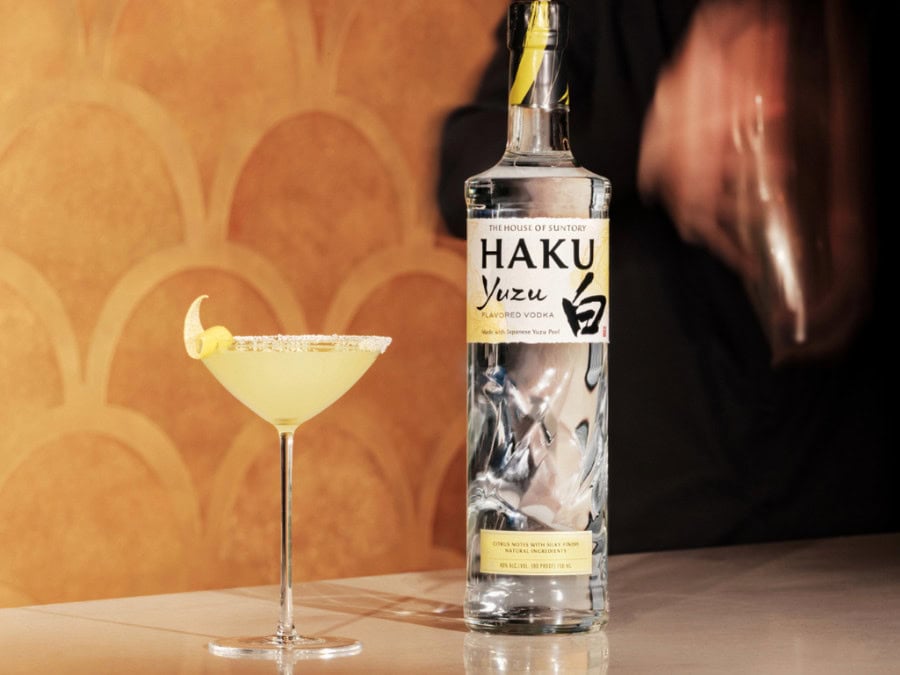
A good example is Suntory Global Spirits’ first flavoured vodka, Haku Yuzu (above), the first permanent addition to the cocktail-focused Haku line. Like the base expression, Haku Yuzu starts with polished Japanese white rice, is triple distilled and filtered through bamboo charcoal. Suntory says flavouring occurs with “all-natural ingredients”, with “hand-harvested Japanese yuzu leading the flavour profile”.
The lemon-like fruit, grown in Japan for more than 1,000 years, imparts a floral nose and tart citrus-forward palate to the 40%-ABV line extension, which has already been rolled out to Australia and the US as well as in the global travel retail channel.
Once tied to summer consumption occasions, tropical flavours now trend year-round, with much of their popularity driven by holiday nostalgia and escapism. But here too, health & wellness is driving NPD.
“People want less sugary drinks and this is where our Desi Daru Mango shines,” observes Desi Daru co-founder Mohit Singh, who launched the British-Indian flavoured vodka brand in 2023 with his wife, Aneet Kaur.
“Having a less-sweet flavoured vodka in the market really attracts these types of people – all the flavour but nothing artificial. We use real alphonso mangoes, sourced from Ratnagiri in Maharashtra, known as ‘king of the mangoes’ and prized for their succulent sweetness,” he explains.
“Using real fruit means that we can provide genuine, unadulterated mango flavour. We focus exclusively on using only natural ingredients and stay clear of anything artificial, and currently we feel this is paying dividends.”
American whiskey – Flavours start to premiumise
Since their arrival in the mid-noughties with trailblazing releases such Wild Turkey American Honey and Jim Beam Red Stag, the flavoured segment of the American whiskey category has been dominated by bold, popular mainstream releases from the industry’s established brands.
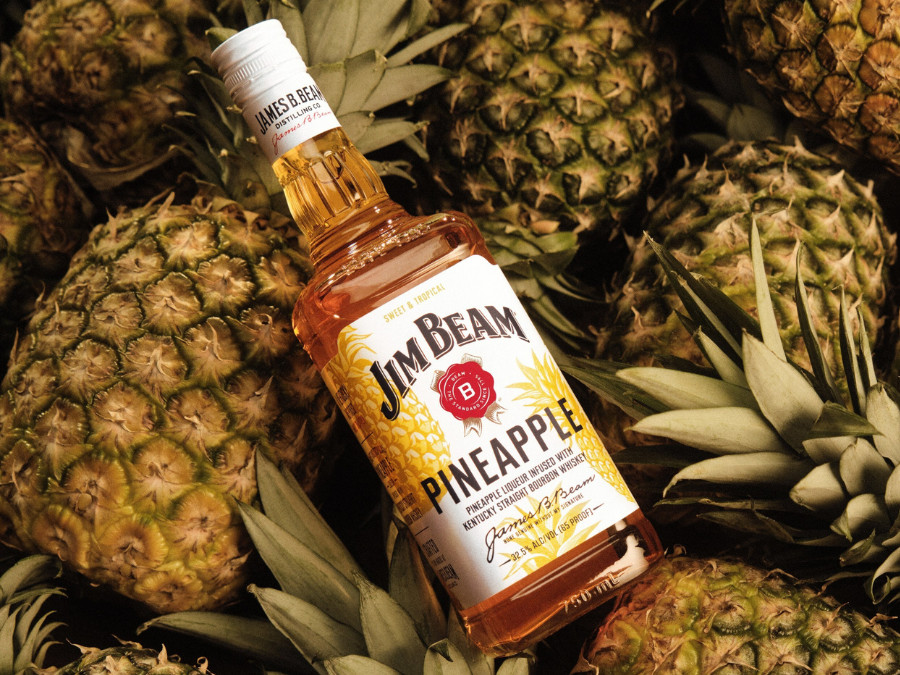
Last year saw launches from big stateside players, most notably Suntory Global Spirits’ Jim Beam Pineapple (above), the top-selling bourbon’s first new flavoured spirit in four years. The 32.5%-ABV release was targeted at consumers new to bourbon and marketed with summer serves, such as Jim Beam Pineapple & Lemon Lime Soda.
At the same time, flavoured American whiskey is maturing with more premium releases coming online. In higher-priced tiers, experimental finishes are particularly in vogue. While not strictly flavoured releases, they are introducing new, unusual flavour profiles to consumers.
Examples include Angel’s Envy Cellar Collection Vol 5 Straight Rye Whiskey, finished in French extra añejo oak tequila barrels for up to 12 months, as well as Woodford Reserve Chocolate Whisper Redux, a 12-year-old, high-strength bourbon that uses chocolate malt to create deep cocoa and roasted coffee notes without adding any actual chocolate.
Irish whiskey – Highball-friendly
Away from the US, IWSR forecasts that flavoured blended Irish whiskey will grow particularly strongly over the next three years, with a CAGR of 13%. Much of the flavour-forward action in the category is currently coming from creative cask finishes rather than artificial infusion due to the country’s strict GI rules on core Irish whiskey.
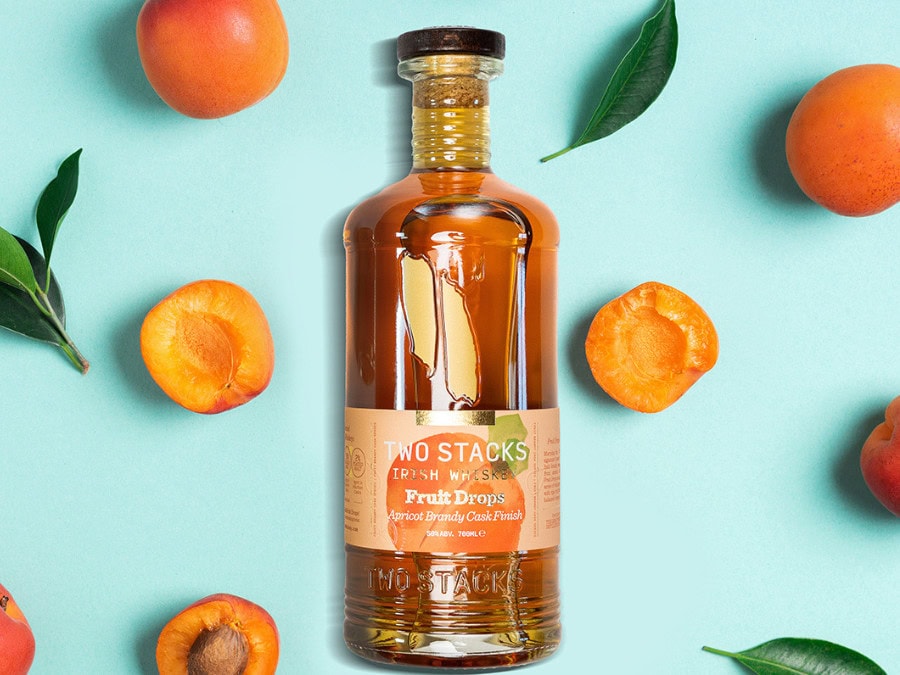
A pioneer in this field is the independent blender and bottler Two Stacks, which last year unveiled Fruit Drops (above): a range of three 50%-ABV whiskies finished in Californian fruit brandy casks (apricot, blackberry and apple). With its pastel-coloured packaging, co-founder Shane McCarthy believes the trio have helped recruit new consumers to the Irish whiskey category.
“We find that at trade shows it’s a great pull for people who have always been against Irish whiskey or find the taste too harsh,” he says. “There’s a lot of nostalgia with the nose too, like a sweet shop, which is exactly what we wanted.
“Where they actually fall best, though, is that they’re incredible to use in highballs. We wanted to go after the G&T and the whiskey-and-soda drinker, and that’s exactly what they do.”
Scotch whisky – Savoury strategy
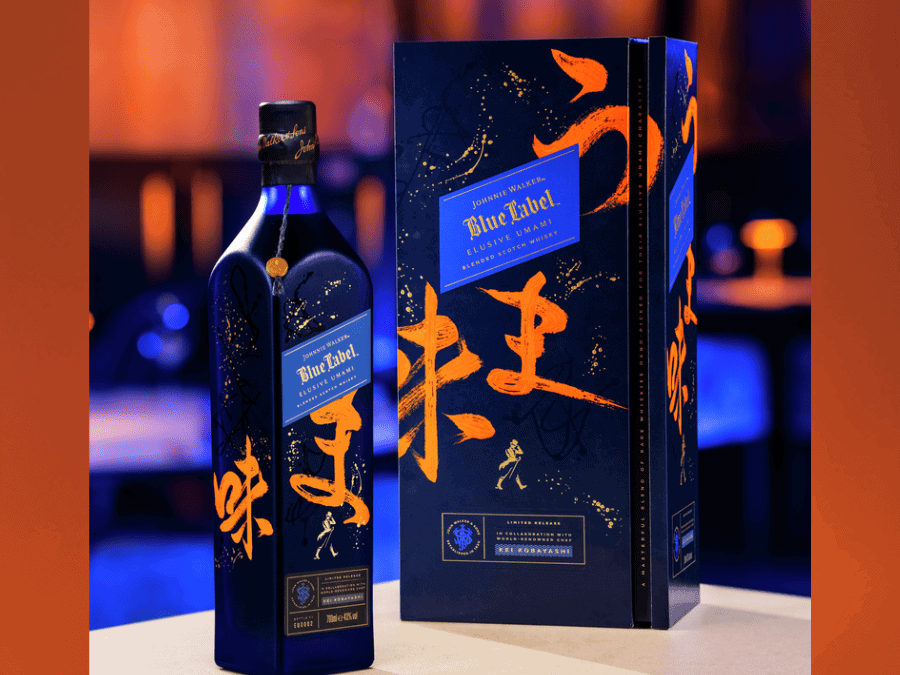
The savoury trend made an appearance in the scotch whisky business as early as 2023 with Diageo’s release of Johnnie Walker Blue Label Elusive Umami (above), a collaboration between master blender Emma Walker and Michelin-starred Japanese chef Kei Kobayashi. Featuring a flavour profile that offered a “touch of smoked meat”, the iteration was recommended to be sipped neat with caviar.
More recently, the trend surfaced in Korea with Ki One Whisky Distillery releasing a limited-edition single malt aged for three years in red chilli pepper-infused casks.
Launched in December, the 57.5%-ABV Ki One Red Pepper Cask x Chef Edward Lee Edition was a collaboration between master distiller Andrew Shand and US chef Edward Lee. Limited to 1,500 units, the whisky is intended to be served alongside spicy Korean dishes.
Gin – Sobering up after the sugar rush
For the flavoured gin segment, IWSR predicts a very modest CAGR of 2% between 2026 and 2029, reflecting a fair degree of consumer fatigue at the sweet, liqueur-like line extensions that flooded the market in the early 2020s.
The volumes of these predominantly sweet-flavoured gins have plummeted in recent years, with drinkers either migrating to flavoured vodkas or to tequila-based cocktails.
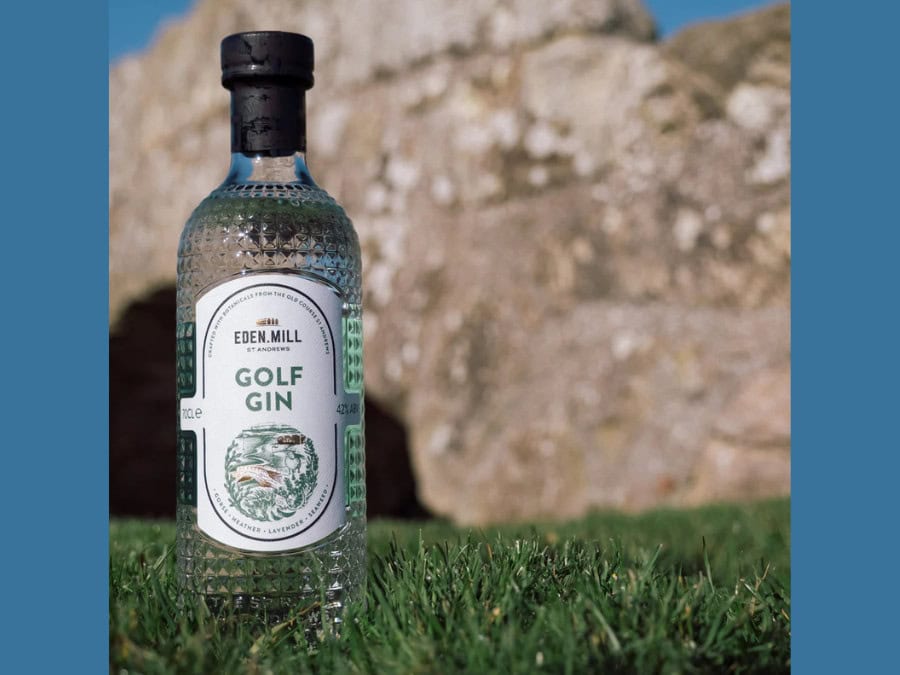
A new sophisticated wave of more savoury gins is upon us, where the focus is on spice-driven depth rather than sugar. Hyper-local, foraged botanicals are a feature of many new releases. Take Scottish distiller Eden Mill’s recently-released Golf Gin (above), which features botanicals sourced from the world-famous, 95-acre St Andrews Old Course.
Launched with UK retail multiple Waitrose, the juniper-forward gin features typically Scottish botanicals, such as gorse, lavender and heather.
Pushing for perfection
Meanwhile, a recent release typical of the more considered, painstaking approach employed by a new generation of flavoured spirits producers is Gin 46. This juniper-forward expression created by Washington state-based James Bay Distillers underwent 46 different iterations before the final recipe was perfected. In addition to wild-harvested juniper, the distillery used exotic Nepalese timut pepper and Persian dried lime to expand the citrus notes in the gin’s final flavour profile.
New flavoured releases that lean towards the sweeter side are still entering the marketplace, of course. Yet there’s a marked shift away from generic fruit flavours to high-quality, organic and specifically tropical notes.
Consider William Grant & Sons’ Hendrick’s Oasium, for instance, an early-2025 release from the Scottish brand’s ‘Cabinet of Curiosities’ collection, inspired by desert flora and offering a “tropical-floral” hybrid flavour profile that aims for more sophistication than a standard, fruit-forward gin.
Rum – Rediscovering roots with unusual botanicals
Led by the likes of Diageo’s Captain Morgan and Pernod Ricard’s Malibu, the 1970s and ’80s saw the spiced and flavoured rum categories transformed from being merely a local Caribbean tradition to a popular standardised global category in its own right, positioned as fun, approachable and consistent.
As in most spirits categories, today there’s a sizable move away from the synthetic flavours and high sugar levels of the 1980s and ’90s towards less sugar and natural, botanical infusions.
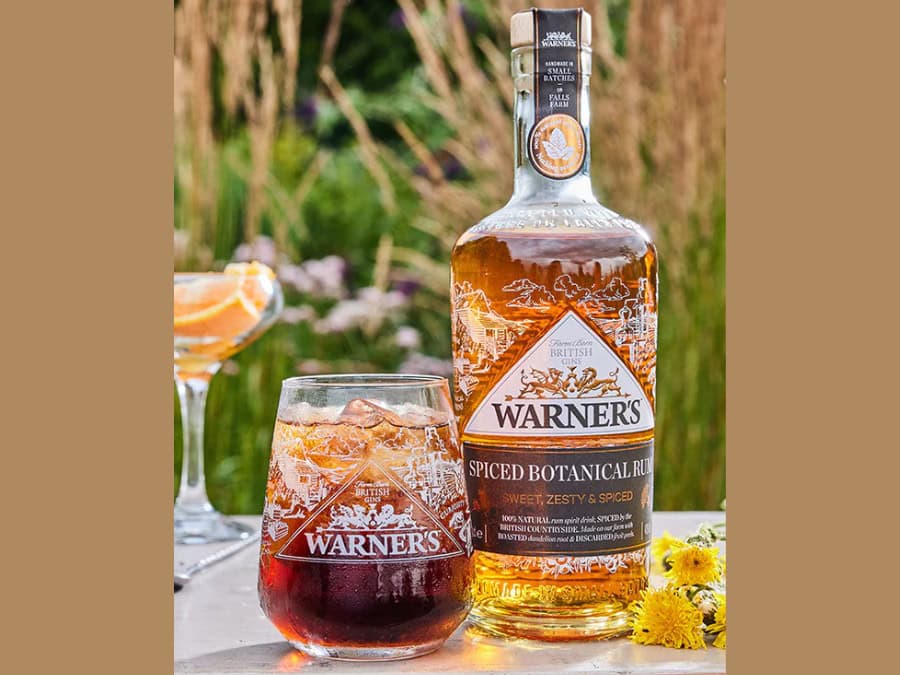
The UK has emerged as an epicentre of this botanical revolution. Launched in 2023, Warner’s Spiced Botanical Rum (above), flavoured with roasted local dandelion root, was a trailblazer for this trend.
Innovative botanicals featured in several UK launches last year, including hand-harvested carrageen seaweed in Island Dark Rum from Scotland’s Isle of Barra Distillers, and local wild mint, elderberry, nettle and heather in Anna Campbell-Jones Small Batch Scottish Botanical Rum from interior designer & entrepreneur Anna Campbell-Jones and Glasgow’s Jacobite Distillers.
Terroir driven
Elsewhere, flavoured rum producers are keen to highlight their products’ unique terroir. For instance, French spirits producer & distributor Spiribam is focusing on the Mauritian heritage of its premium spiced rum brand Beach House, which comprises three expressions: Gold Spiced, White Spiced and Pink Spiced.
“Mauritius is historically a sugar-producing nation,” explains global marketing director Audrey Bruisson. “Unlike competitors relying on generic neutral spirits, Beach House is crafted from 100% local molasses, distilled at the renowned Grays Distillery.
“The island’s unique terroir plays a vital role here,” she adds. “Our volcanic soil, combined with optimal rainfall and tropical sunshine, produces sugarcane rich in aromatics. This allows us to start with a base spirit that has genuine character and natural roundness rather than a flat, industrial alcohol that simply carries flavour.”
For Bruisson, this origin story carries increasing weight for the brand owner’s trade partners. “It offers traceability and authenticity,” she says. “In a crowded spiced category, being able to prove that the liquid comes from a specific distillery and a unique terroir provides a powerful tool to justify quality and engage educated consumers.”
This same focus on terroir was a key element behind last year’s release of a limited-edition Marmalade Rum from Manchester, UK-based distiller Salford Rum. Targeted for the Christmas gift-giving season, the 37.5%-ABV expression features white molasses-based rum from Guyana, seville orange marmalade from local producer Duerr’s, fresh lemon peel and almond.
Cask innovations
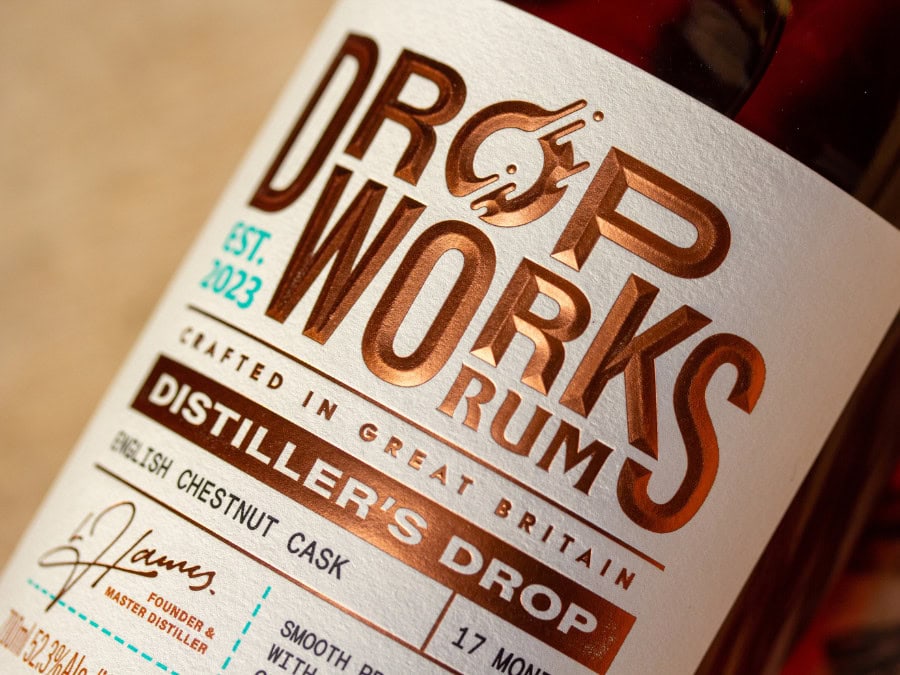
As with flavoured whisk(e)y, unusual cask maturation is growing in importance in the rum category. The latest expression from English rum distiller DropWorks is a good example. Aged in English sweet chestnut casks and limited to 450 bottles, the release (above) sold out in just 48 hours, says founder & master distiller Lewis Hayes.
Part of the company’s Distiller’s Drops series, he says the English chestnut wood gave the rum “a nutty, rounded flavour profile, with notes of praline, roasted chestnuts and warm autumnal tones”.