
- The bitter & herbal liqueur segment is thriving by bridging tradition and modernity, with its versatility spanning aperitivo, cocktails and low-ABV consumption occasions, repositioning from pure digestifs to lifestyle spirits
- Bartenders are driving segment reinvention, shaping product development, educating consumers and expanding bitters’ relevance
- Premiumisation is evolving into an emphasis on bitter & herbal liqueur’s craft cues, with brand owners embracing authentic botanicals and small-batch innovation
- The future will be defined by moderation and cultural connection as consumers seek better-for-you formats, emotional brand engagement and sustainability alongside bold flavour experiences
Even in a sluggish spirits market, one of the category’s oldest segments is quietly staging a revival. Indeed, bitter & herbal liqueurs is proving unexpectedly resilient in 2025.
While total spirits volumes are under pressure across key regions, the bitter & herbal liqueurs segment is holding firm. As Hardenberg Wilthen’s business development director, Carl Graf von Hardenberg, observes: “In Germany, we’re seeing a stable rather than growing market. However, household penetration remains high, indicating consistent consumer demand and strong familiarity with these products.”
That enduring familiarity is being reinforced by modern relevance. Once reserved for after-dinner rituals, herbal liqueurs are increasingly present in aperitivo moments, on cocktail menus and in low-ABV serves. “Consumers are drawn to authentic, botanically rich spirits that offer depth and character,” Hardenberg adds – and in today’s marketplace, that’s proving a powerful draw.
The aperitivo effect
If one movement can be credited with reviving consumer interest in bitters, it’s the rise of the aperitivo occasion. Once a purely Italian ritual, it has evolved into a global daypart and, for many brands, a lifeline.
Mast-Jägermeister CEO Michael Volke describes how early evening occasions have opened the category to a new audience. “Younger consumers are embracing early evening and daytime drinking, where spritz-style cocktails featuring these liqueurs are popular,” he says. The trend has not only broadened consumption windows but has redefined what these products represent – from niche digestifs to social, sessionable drinks.
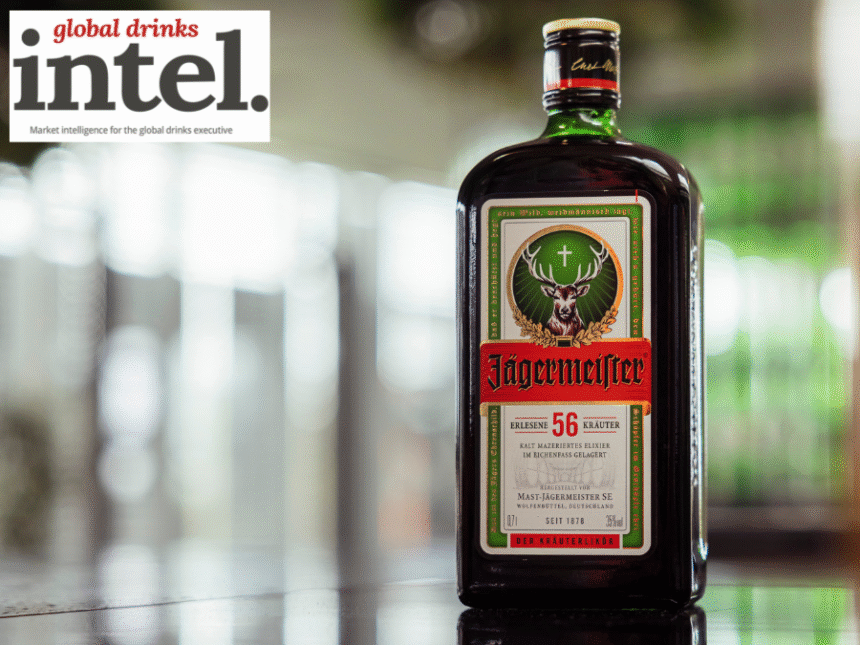
This shift towards “refreshing complexity” has also paved the way for innovation. Jägermeister’s citrus-led Orange variant, which commenced its launch to around 15 markets in March last year, was designed specifically to capitalise on this.
Volke explains: “[It] blends our original herbal liqueur made from 56 natural ingredients with the fresh taste of oranges and mandarins, [and is] ideally served as an ice-cold shot or a base for long drinks.” The extension’s approachable, fruit-forward profile has resonated particularly strongly among female consumers, demonstrating how an established brand can evolve without abandoning its DNA.
For Luxardo, the early evening movement has been even more transformative. “The rise of the aperitivo occasion, and especially the popularity of spritz-style serves, has been a very powerful catalyst,” says export manager Matteo Luxardo. Without the development, he argues, “many amari and fernets would remain niche or speciality products; with it, they gain mainstream cocktail relevance, discovery pathways and growth leverage”.
Gruppo Caffo 1915’s global marketing & brand development director, Matthijs van Zanten, says the category’s resilience has been “enhanced by the continued rise of the Italian aperitif occasion, powered by the global spritz trend. This has matured into a category in its own right, where bittersweet liqueurs – especially Italian brands – benefit”.
From Europe to everywhere
The bitter & herbal liqueur subcategory may have its roots in European monastic traditions, but its growth trajectory is now global. As heritage markets have stabilised, producers have been looking increasingly to international audiences to drive momentum.
Both von Hardenberg and Luxardo point to the same pattern: steady performance in Germany and Italy, but real dynamism elsewhere. “We’re seeing strong momentum in America and parts of Asia,” says Hardenberg, highlighting curiosity for “European drinking traditions” and “premium craftsmanship”.
Jägermeister’s Volke sees similar promise. “Europe remains strong, with stable demand in Germany and dynamic growth in Poland and the Czech Republic,” he says.
“In Asia, we’re seeing growth driven by consumers’ appetite for new taste experiences and an evolving cocktail culture.” He describes a consumer base that is “open to innovation and premium Western lifestyle trends”, particularly in urban centres – a combination that indicates what he believes are “long-term opportunities” for the segment.
Luxardo is more direct: “[The] biggest growth [opportunities are] in Asia and North America,” he says. “Europe, unfortunately, is saturated.” In those new regions, the intersection of modern mixology, premium positioning and storytelling is helping to reframe bitters as sophisticated rather than traditional.
Premiumisation and the new ‘craft code’
Across the alcohol industry, premiumisation remains the buzzword, but within bitter & herbal liqueurs, the term carries a unique resonance. The category’s very DNA of natural ingredients, local botanicals and small-batch production lends itself neatly to the craft conversation.
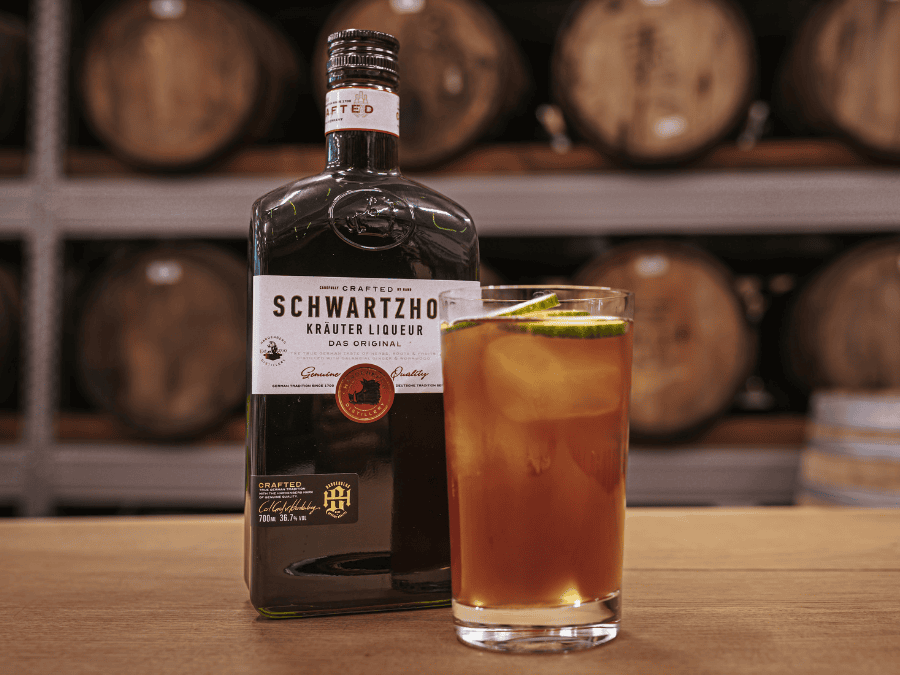
“There’s a clear trend toward artisanal, small-batch expressions that emphasise origin, natural ingredients and unique botanicals,” says von Hardenberg, which produces herbal liqueur Schwartzhog (above) containing wormwood, buckbean and “select herbs, roots and fruits of the forest”. He adds: “Producers are responding with limited editions, flavour-forward variants – think citrus, floral, smoky – and transparent storytelling around sourcing and production methods.”
The innovation pipeline across brands supports that view. Jägermeister’s extension strategy – from the freezer classic to Orange – shows how heritage brands are using craft cues to refresh their image without alienating their base. “People are increasingly curious about new flavours and drink formats that go beyond the traditional,” Volke notes. “For us, innovation isn’t reinvention but meaningful evolution.”
Luxardo, meanwhile, observes a similar pivot across the wider segment. “There’s a noticeable and growing shift towards premium, craft and experimental expressions,” he says. “Producers are responding in a number of ways, from small-batch releases, aged expressions and novel botanicals, to reinterpretations of classic recipes.”
In short, consumers still want authenticity; they just want it served with a modern twist.
Behind the bar – A category recast
Ask anyone in the trade who’s really driving bitter & herbal liqueurs forward, and the answer is unanimous: bartenders. They’re not just serving bitter liqueurs; they’re rewriting their reputation. “Bartenders are instrumental in driving category growth,” says Hardenberg. “They’re not only educating consumers but also showcasing the versatility of bitter liqueurs in modern, lower-ABV cocktails.”
Volke agrees that the bartender’s influence now extends well beyond the bartop. Through Jägermeister’s international ‘Hubertus Circle’ network of bartenders, the brand feeds professional insight directly into its product development. “Bartenders are key sources of inspiration,” he says. “Their insights help translate emerging trends into relevant serves.”
The company’s ‘Scholarship’ initiative deepens this relationship, mentoring young talent and fostering creativity. “Bartender feedback plays a central role in shaping new variants that balance innovation with consumer expectations,” Volke adds, a reminder that behind every new expression lies a dialogue between producer and pourer.
Caffo’s van Zanten adds: “Lower-strength cocktails and bartender creativity are expanding flavour experimentation and helping recruit new audiences. We believe that long-standing Italian traditions and rituals are being reimagined for a new generation, giving fresh life to timeless habits of sharing and celebration.”
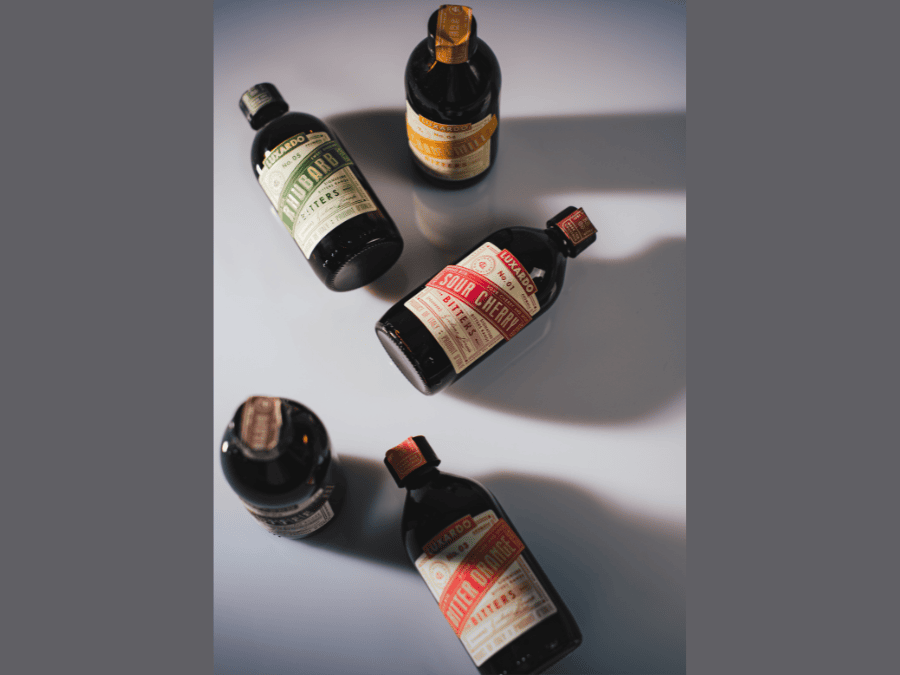
Luxardo (namesake bitters portfolio below) describes bartenders’ impact even more broadly: “Their influence works on multiple levels, from creative innovation and flavour translation to consumer education, channel influence and pull-through into retail.” In other words, the bartender’s role has evolved from subcategory gatekeeper to growth architect.
The next wave – Moderation, meaning and modernity
Looking ahead, the evolution of bitters seems set to track two parallel movements: moderation and meaning. The no- & low-alcohol trend is already shaping the outlooks for adjacent spirits segments and, while opinions vary on how far it will go, most agree that lower-ABV formats will remain key.
“For sure, the non-alcohol trend is growing, but I’m not sure about it,” says Luxardo. “I think low ABV is the key to a successful trend as consumers continue to lean into moderation. ‘Better-for-you’ formats will become increasingly essential.”
Hardenberg Wilthen’s’von Hardenberg predicts that innovation and transparency will define the next chapter. “We expect to see continued innovation in no- & low-alcohol formats, bold flavour experimentation with exotic botanicals and stronger brand narratives that connect with lifestyle and heritage,” he says. “Sustainability and transparency will also play a bigger role as consumers seek authenticity and purpose in their choices.”
Volke frames the future around identity and cultural connection. “The next phase of growth will be shaped by brands that stand out through new taste experiences, cultural relevance and clear positioning,” he says.
Jägermeister’s creative-community initiative ‘#savethenight’ exemplifies this shift: a platform that goes beyond product marketing to emotional brand engagement. “Staying true to our DNA,” Volke adds, “we continue to explore new ways to surprise and engage our audience.”
An evolving tradition
Few segments of the spirits category have travelled as far, or adapted as fluidly, as bitter & herbal liqueurs. Once pigeonholed as Old World digestifs, they’ve become symbols of contemporary craftsmanship, bridging the gap between past and present.
Their appeal lies as much in their contradictions as their flavours: bitter yet balanced, classic yet current.
“Consumers are increasingly drawn to authentic, botanically rich spirits that offer depth and character,” notes von Hardenberg. The difference now is that those same spirits are being enjoyed not just at the end of the night, but at every moment in between.