

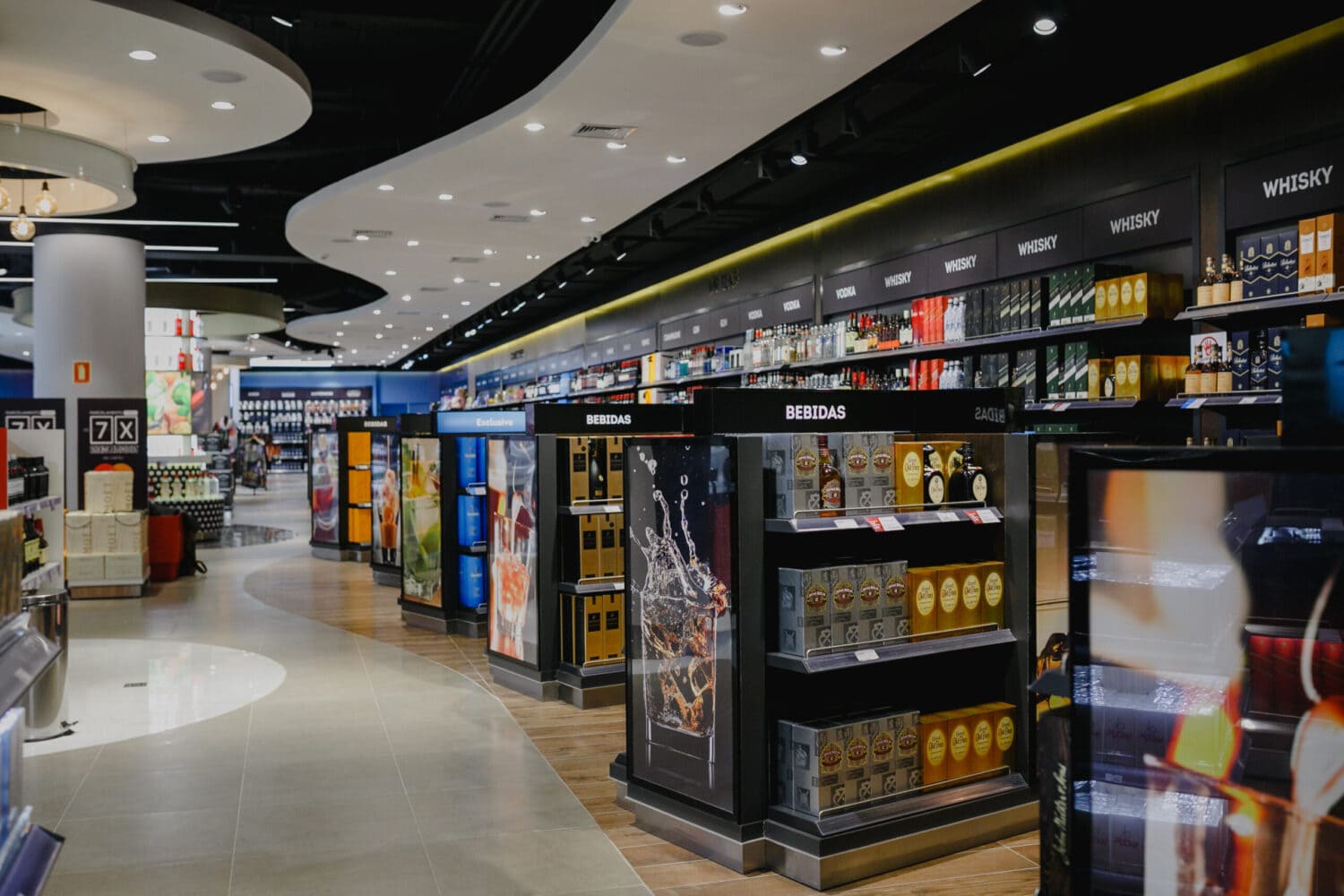
Building a successful brand in global travel retail is a bit like building a house — you start with getting the foundations right
Travel retail is considered the shop window to the world for brands. However, it is a uniquely difficult and expensive place to do business. For that reason, it has become a channel that is dominated by the big international brands. However, as more brands seek to expand internationally, they are looking to gain a foothold in this key brand-building channel. What are some of the key steps brands need to take to be successful?
I find it helpful to think about building brands in airports akin to building a house. First of all, you need to dig the foundations, then build the walls, put on the roof and finally attach the doors and windows. As with building a house, to be successful, brands need to follow a plan and do the right things at the right time in the right order.
Digging the foundations requires hard work and can take time. Do your groundwork; be clear on who your target shopper is and why they will buy your brand. Armed with this knowledge, you may decide there are certain terminals and shops to focus on. You also need to make sure your logistics platform will work smoothly, so you will not risk supply interruptions and the dreaded out-of-stocks. It is also important to be clear on which brands and packaging you want to have available in different locations. Will you focus on what you offer in domestic markets or do you need to think about travel-retail exclusives, gift packaging or special pack sizes?
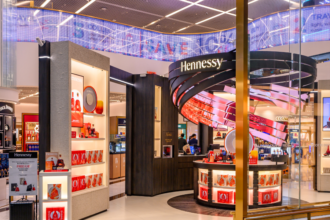
Once the foundations have been dug (i.e. you are listed with the right portfolio and on shelf), it is time to start putting up the walls. The walls are permanent displays; they could be wall bays, gondolas or free-standing displays you create yourself. Most importantly, the walls act as magnets attracting shoppers to your brand. The best permanent displays tell brands’ stories and give shoppers information that enables them to make purchase choices as well as reasons to trade up to higher-value items.
Permanent displays are 24/7, 365-days-a-year instore advertising and a selling tool for a brand — for this reason, they should be the first priority for any marketing investment. Displays need to be a reflection of the brand; staying true to brand guidelines and using the brand’s iconography. Displays allow you to be creative and bring your brand to life for shoppers through all their senses.
Once the walls of the house are built and solid, it is time to put on the roof. The roof in this metaphor is the people working in a store representing your brand. They could be brand ambassadors or promoters who are in store to sell and tell shoppers about your brand. People build brands and having well-trained representatives for your brand in airport stores is a powerful brand-building and selling tool — they should be the second priority for marketing spend after displays. Focus on making sure they are well trained on your brand and know how you want them to sell and talk about it.
Finding people who are passionate about your brand and wanting to achieve results is critical. I get annoyed when I am walking through a store and I see a brand ambassador who is not talking to another shopper and who does not ask me if they can help or show me their brand. What a missed opportunity! On the subject of people, let us not forget the importance of the retail staff employed by the retailer. I urge brands to provide training to them to and ensure they are equipped to be advocates for your brand and answer questions shoppers may have.

After a brand has invested in permanent displays and people it may be time to consider running an experiential promotion. I think of this like putting the windows and doors into the house; it is the third marketing investment step. Airport stores offer amazing opportunities for brands to come to life and tell their stories. In the world of wine and spirits, I describe airport retail as the ‘on-premise of the off-premise’. As a brand, you have the opportunity to interact with shoppers in a similar way as to how you would in the on-premise. Where allowed, you can sample in a premium way; you can immerse shoppers in your brand story and give them a memorable brand experience. All of this in a premium environment and with receptive shoppers. The chances are your message will stick with them too, unlike in a busy bar late at night. As travellers return to airports, their desire to experience and discover new things will be higher than ever. This presents a wonderful opportunity to engage and wow shoppers with your brand.
Aim to get the foundations right first and then invest in display, people and experiential promotions for your brand. Implemented in this order, the chances are you will end up with a palace rather than a house.
Global travel-retail veteran and emerging markets spirits business specialist Tim Young heads a beverage consultancy in London called Young Spirit Consulting. Contact him at: [email protected]