

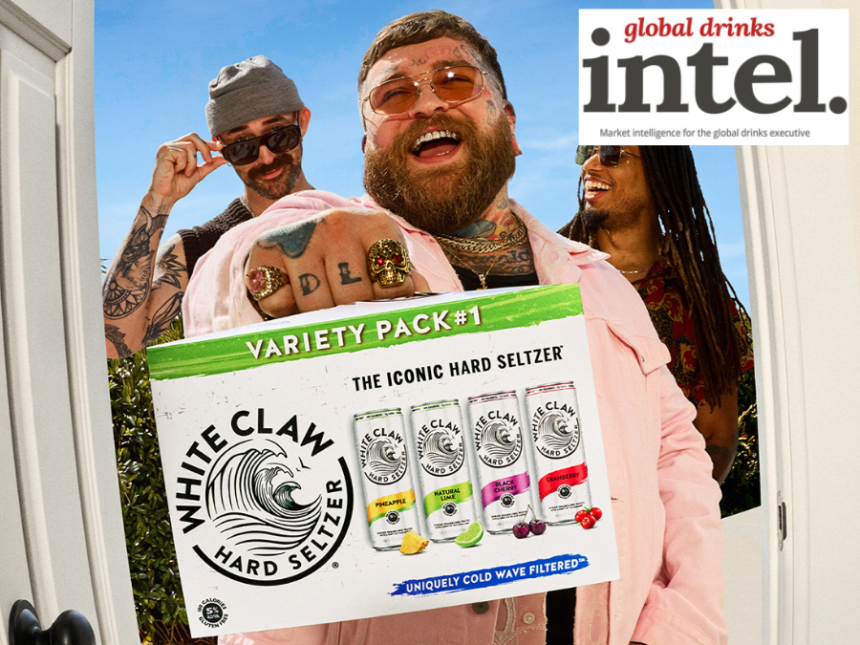
In the second part of Global Drinks Intel’s exclusive interview with Mark Anthony Brands’ president, David Barnett (below) sheds some light on the brand owner’s approach to younger LDA consumers, its competition and the consumer trends that are coming to the fore in 2026.
Which lesser-known brands in your line-up do you have high hopes for?
There are a couple that are building real momentum: MXD is resonating with a younger, more expressive consumer with higher ABV and bolder flavours, and Dillon’s is growing quickly with an emphasis on premium, craft-quality cocktails. Each of these is solving a different need, which is what makes them compelling.
We feel good that consumers will be seeing more of these brands throughout this year and beyond as we continue to invest behind what’s working.
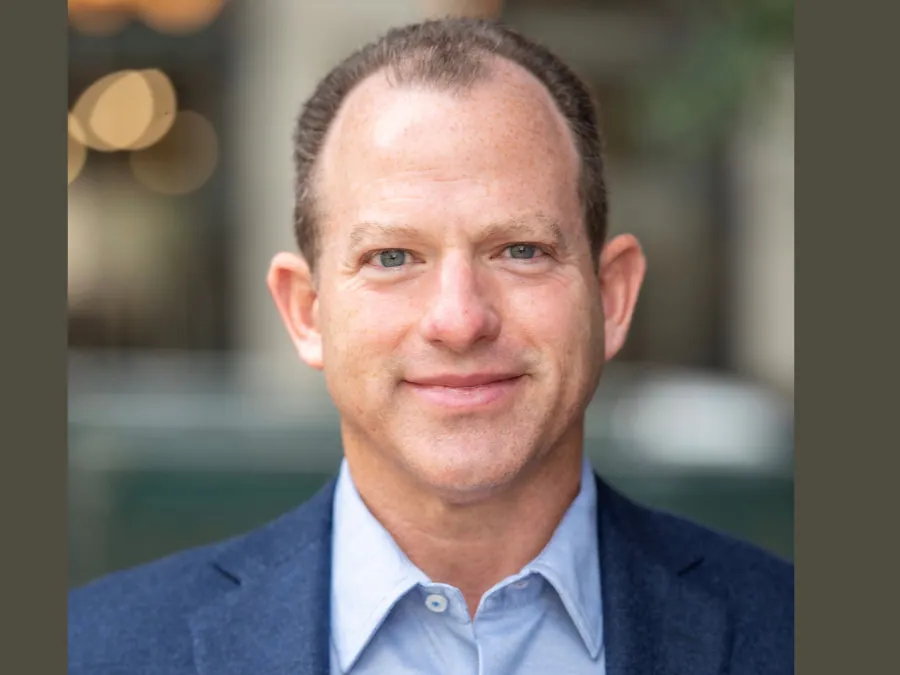
How is White Claw continuing to stay fresh – ten years since its debut – when so many brands have entered the space?
We’ve built White Claw as a portfolio that meets different needs, from core refreshment to higher ABV, and non-alcoholic. That breadth keeps the brand relevant as consumer needs evolve, and we’re extending that into culture through partnerships like Teddy Swims, where we’re creating more opportunities for people to come together over music and shared experiences.
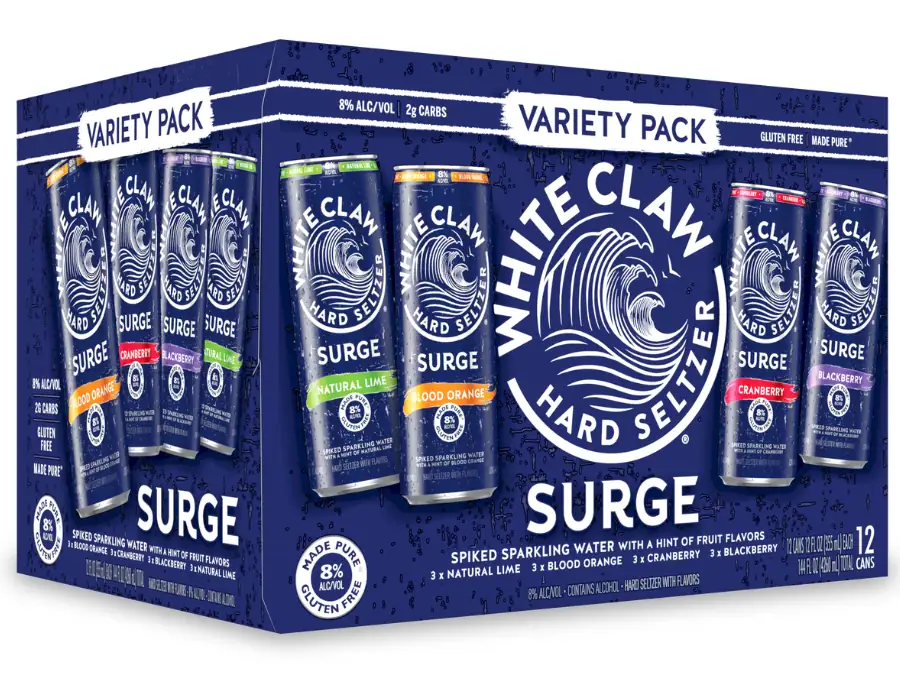
At the same time, we’re continuing to refine flavours and formats, and we’re seeing that land, with newer offerings like White Claw Surge (below) delivering double-digit growth nationwide.
There’s been a lot of talk about the ‘cooling off’ of hard seltzer. What’s your take on where the category stands in the US today?
It’s certainly matured, but the fundamentals are still strong. After several years of rapid expansion, when thousands of brands tried to chase what White Claw created, we’re now seeing the category settle into a healthier place and even get close to growth again.
Consumers continue to look for options with choice in flavour, format and ABV, often as an alternative to beer, and White Claw continues to be a clear favourite – 73%* say they would drink White Claw if it was available.
What we’re seeing now is less like a slowdown and more like the next phase, where demand is shifting into new occasions and need states. Brands like White Claw that truly resonate will continue to lead.
* According to a January–February 2026 national online survey of 2,469 US adults ages 21-plus conducted by Edelman Data & Intelligence with YouGov
Where are you identifying further opportunities for hard seltzer?
There’s a tendency to look at hard seltzer as a single occasion product, when in reality there’s still meaningful opportunity as people look beyond their default drink choice. For example, a significant portion of consumers still default to beer, 52%, but 29% would deviate if a better option were available.
During college basketball’s biggest tournament in March, for example, we leaned into that behaviour with our ‘Make It a Couple of Claws’ programme directly challenging beer in high‑energy, social occasions.
Our focus is on continuing to intercept those cultural moments in a deliberate way and earn incremental share.
What type of competition concerns you the most right now – big beer companies, spirits-based RTDs, or newer start-ups?
We’re focused on our own execution. It’s a competitive space across the board, but our priority is always on putting out products that genuinely excite consumers, deliver on flavour and earn repeat purchase.
If we focus on doing that well, we have confidence the rest will take care of itself.
Are spirits-based premix cocktails the biggest threat to hard seltzer, or are they helping to expand the overall RTD category?
They’re really serving different occasions. In many ways, spirits‑based RTDs are expanding the overall space by bringing in new consumers and use cases, rather than taking away from hard seltzer. From our perspective, it’s less about a zero‑sum game and more about how the category continues to evolve.
We see them as complementary, with each playing a distinct role in how and when people choose to drink.
How do you maintain differentiation for your brands when flavour, packaging, and pricing can start to look similar across the wider category?
It starts with brand strength and flavour leadership. We’ve built high recognition and trust with our products. From there, we continue to invest in innovation and show up in ways that stand out on-shelf and in culture.
Ultimately, differentiation comes from delivering something consumers can’t easily substitute.
What changes are you seeing in how younger consumers – especially Gen Z – approach alcohol?
Younger consumers are more intentional in how they drink. They’re not necessarily opting out, they’re just making more deliberate choices about what, when and where. That shift is real, but some of the headlines oversimplify it.
What we’re seeing is a push toward more variety, better experiences and more flexibility across occasions, which is creating opportunity for brands that understand those behaviours and meet consumers where they are.
How are Mike’s and White Claw evolving to stay relevant with consumers?
For us, staying relevant starts by evolving with culture and consumer behaviour, not chasing trends for the sake of it.
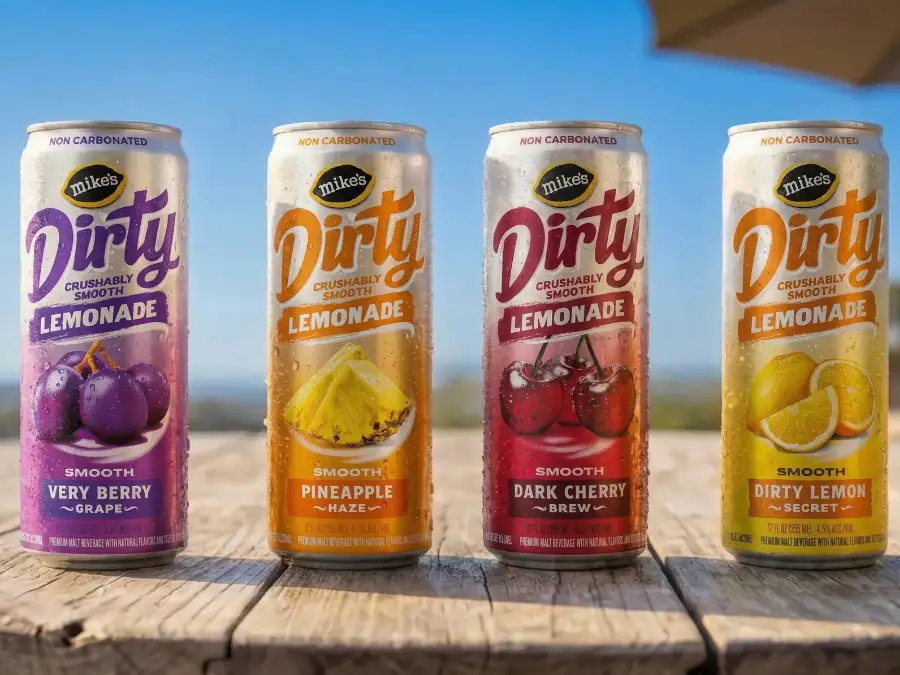
With Mike’s Dirty Lemonade (above), we introduced something genuinely new for the brand and for the FMB category – a smooth, non‑carbonated hard lemonade inspired by the dirty soda trend that builds on Mike’s long‑standing reputation for bold, flavour‑forward innovation. At the same time, brands like White Claw continue to evolve by expanding across occasions and moments where consumers are drinking today.
Across the portfolio, we’re pairing strong innovation with programming and partnerships throughout the summer and beyond, so both of our flagship brands are showing up in the right places at the right times.
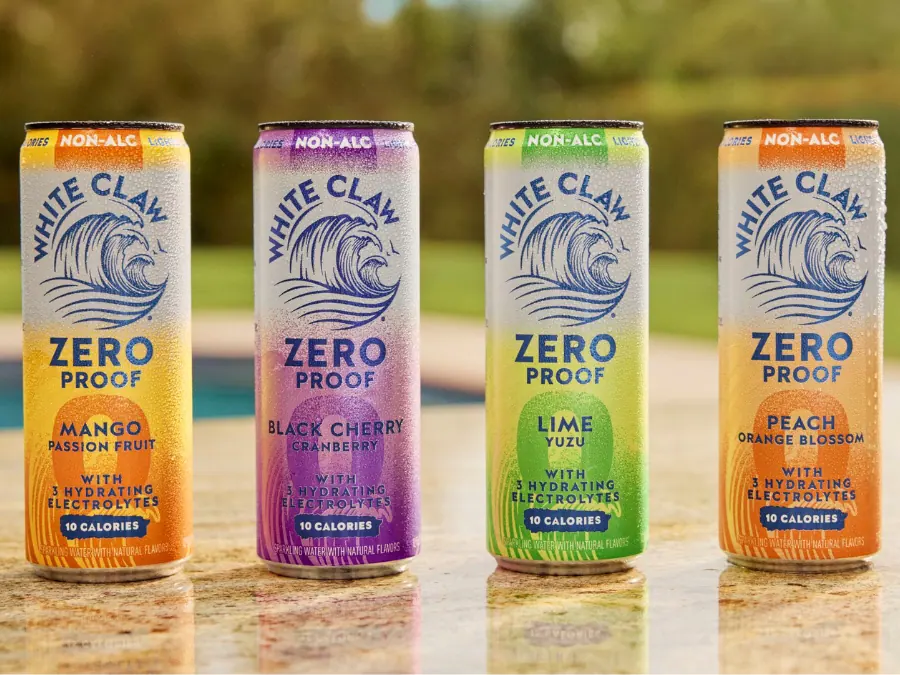
You have an alcohol-free extension of White Claw (above). Is this confusing to consumers or is it keeping them engaged with the brand when they aren’t drinking alcohol?
The feedback we get from consumers is clear – they love having the choice. Across the country, social lives are evolving, and so are the ways people drink, calling for choice, flexibility and flavour in alc and non-alc.
People are grabbing drinks on trails and pickleball courts just as much as they are in bars and backyards, and in every situation, we want to deliver quality, convenience and choice, designed for how people drink today. With the rise of zebra striping, we’ve seen success with White Claw Hard Seltzer and White Claw Zero Proof offering the same flavour profiles in both alcoholic and non-alc formats.
Which flavour or ingredient trends have you identified for the future?
With Mike’s Dirty Lemonade, we’re drawing direct inspiration from the ‘dirty soda’ trend and putting a distinctly Mike’s Hard spin on it. Non‑carbonated flavoured alcohol is up 12.4% year over year* and nearing 100m cases, which signals a real shift in how people are choosing to drink.
We see that trend and the success of Mike’s Dirty Lemonade as an opportunity to build on something that’s clearly resonating with consumers, while staying rooted in originality in a way that works for the Mike’s brand.
*Circana POS MULOC+Liquor L52W Ending 09.07.25
Are there any other categories or adjacent spaces that you’re actively exploring?
We’re always looking at areas where consumer behaviour is evolving and where our capabilities can translate into differentiated growth.
Spirits‑based ready‑to‑drink is one space we’re particularly mindful of, given how consumer preferences continue to shift across occasions, but our broader focus remains on being disciplined and thoughtful as we expand the portfolio.
Which areas of the business excite you for their longer-term prospects?
What excites me most is how consumer preferences are continuing to shift toward lighter, more flexible ways of drinking. That opens up real opportunity for us to keep expanding occasions and formats.
At the core, it’s about staying very focused on the consumer and continuing to build brands that earn their place in more moments.
What would make a brand or company attractive to you from an M&A standpoint?
Historically, we’ve built most of our growth in‑house, but when we do look at acquisitions, it’s through a very specific lens. We’re interested in brands that are grounded in clear consumer demand, bring something differentiated to the portfolio and fit naturally with how people’s drinking habits are evolving.
Whether it’s innovation we build ourselves or thoughtful M&A, the focus is on long‑term brand potential, authenticity and the ability to scale without losing what makes the brand special.
What’s your longer-term prognosis for the alcohol industry?
The industry needs to refocus on the consumer. Growth will return, but it won’t be uniform. It will come from brands and subcategories that meet real shifts in how people want to drink, like moderation and convenience.
Hard seltzer changed expectations, and that’s not going away. Going forward, the winners will be the brands that keep innovating against those needs and show up in the right occasions.
Members-only intel
Keep reading this members-only article – and every one like it
- ✓All paywalled news and interviews
- ✓Category and market data
- ✓Monthly GDI magazine
- ✓Full archive + daily newsletter
Secure checkout · Cancel any time · Company invoices available
Already a member? Log in
See all plans, incl. 10-reader and corporate
Check if your company already pays for you Your company may already give you free access.
Corporate subscribers: AB InBev, Bacardi, Campari Group, Diageo, Moët Hennessy, Pernod Ricard, Proximo Spirits, Suntory Spirits Group, William Grant and Sons.
Activate company accessNot ready yet? Get the headlines free in our daily newsletter.
Sign up free