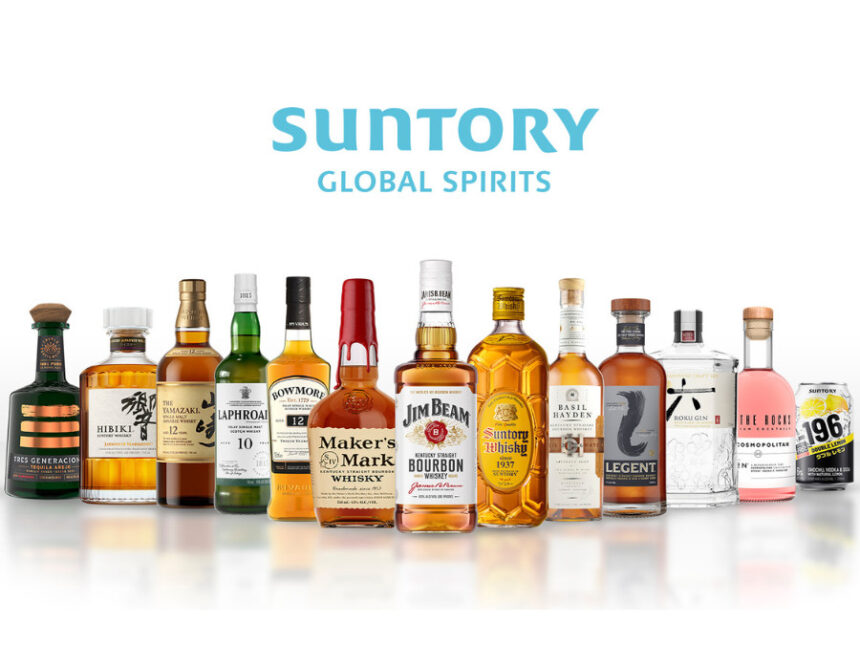
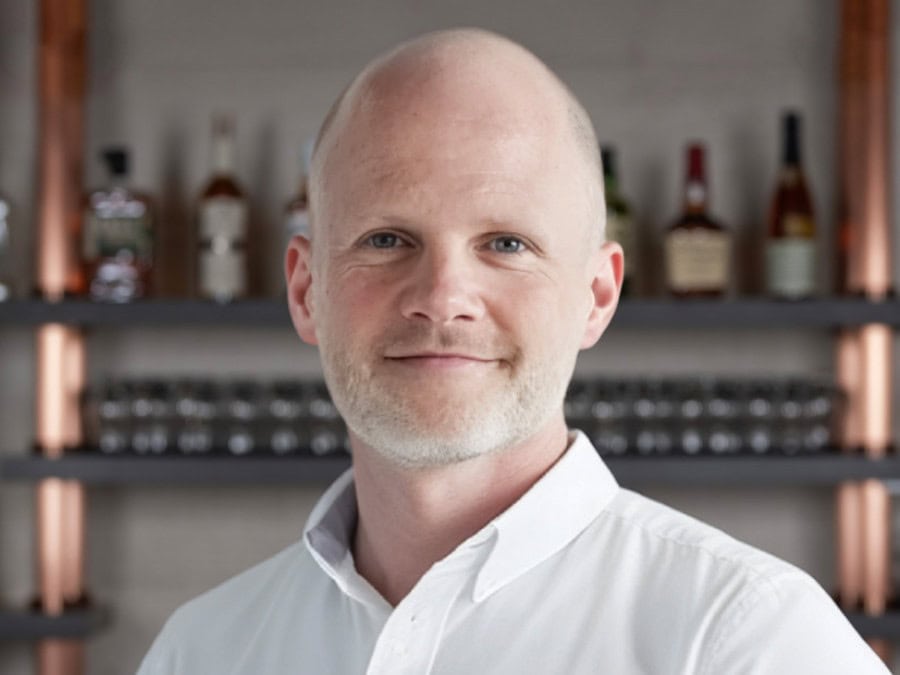
With seven years under his belt at White Claw RTD owner Mark Anthony Brands, Davin Nugent then spent 19 months with AB InBev in the giant’s ‘Beyond Beer’ division. Having left AB InBev in September, he resurfaced this week as president of global RTD operations at Suntory Global Spirits. Global Drinks Intel editor Olly Wehring pinned him down yesterday to gain the inside track on his plans for the likes of On The Rocks and -196.
You’ve joined a company with a high-priority RTD business, having previously worked on category heavyweight White Claw. Do you feel like you’ve returned home?
That’s a good way of putting it, although I never really left RTDs. What’s really attractive about Suntory is they hold a lot of the same principles that I’ve held during my career, such as a commitment to understanding the consumer. They have the ‘gemba’ mentality of spending time outside rather than sitting behind a desk reading data points.
There’s also a long-term approach at play here. Add in the company’s strong focus and skills in flavour and liquid development and all of these allow for a foundation from which I hope great things will come. We’ve already seen that in terms of how successful the business is in Japan, as well as with brands in markets around the world, such as Canadian Club in Australia through to -196 in many markets around the world and On The Rocks here in the US.
How was your experience with AB InBev?
My time with ABI was terrific – across the board, the teams that I worked with were fantastic.
Having previously run an entrepreneurial-driven business, I wanted to understand the differences between that and a large public company’s approach. Coming into Suntory, I can see the best of both worlds. There’s scale but there’s also entrepreneurial thought, along with long-term planning. Being family-owned resonates hugely with me and my career so far.
What was your view of Suntory’s RTD presence prior to joining?
I was always impressed by how quickly they’ve been able to move on the liquid technology development side. More broadly, I was very aware of On The Rocks (below) and its potential to become a power brand if it really built up a head of steam.
The third part would be if they took their RTD power in Japan and applied it in multiple markets, then Suntory really could be a powerhouse. Suntory’s vision is to become the number one RTD player in the world by 2030. I’m very attracted to that intent and aspiration, as well as having the ability to deliver against it.
Will you be referring to your White Claw textbook?
I don’t think so. You build up learnings and understanding as you go, but if you’re going to keep on applying what you did in the past to the issues that you face today, it’s not really going to work. Those brands you bring to market with that approach aren’t going to capture the consumer’s attention.
I’m a huge believer in qualitative thinking and research, but that isn’t about just applying old thoughts from what worked yesterday. It’s always about understanding where the consumer is today. It isn’t as simple as applying the know-how from before. If I’m not learning every day, then I won’t be effective.
What differences in approach to RTDs have you noticed between Mark Anthony and Suntory?
The RTD category was much smaller when I was with Mark Anthony than it is today. White Claw had a major impact in the US, but we’re now looking at multiple markets driving the category’s growth. Suntory has the footprint to be able to deliver success in many markets around the globe and that’s where the focus is going to be – as well as in North America.
Given Suntory’s spirits footprint is dominated by the US and Japan, will this also apply to the group’s RTD opportunity?
No, it’s broader than that. There’s no question that we have to win in North America. We’re already winning in Japan, but markets like Australia, Canada, Germany, the UK and China all matter.
In mature RTD markets like Australia and Canada, there’s a huge opportunity for us to go in and win with a consumer set that is willing and understanding. In markets like China, having a footprint there will enable us to build the demand.
Which brand within the portfolio excites you the most?
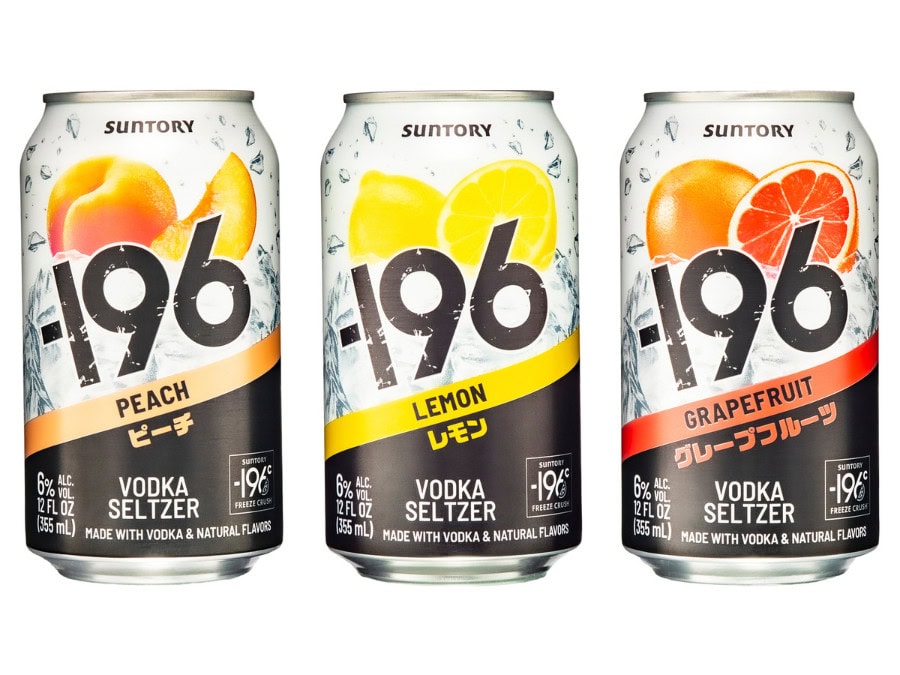
There’s a lot there! Our big play is –196 (below), which is in all of our core markets and is in significant growth here in the US, is growing well in Australia and the UK and is doing fantastically in its home market of Japan.
Then, I’m really excited by what we can do with On The Rocks, a bartender-created cocktail brand backed by real premium bottled spirits as their foundation liquids. That’s a great offering to bring to the consumer. In the US, On The Rocks is capitalising on the growth of canned and ready-to-serve cocktails.
I’m also excited about what we can do with Canadian Club, off the back of its success in Australia.
What are your thoughts on co-branded RTDs, such as Jack Daniel’s & Coke or Absolut & Sprite?
I’d never say never, but there’s a huge opportunity in new-to-world innovation within RTD. This is a category that has shown that the consumer is promiscuous. They’re interested in brands that they’re familiar with, but the real successes in RTDs have come from stand-alone concepts and not brand extensions.
I’m a big advocate of creating brands for today’s consumer, rather than extending an existing brand: I don’t know how much legs they’ve got. Let’s see.
Have you been told to leave Jim Beam and Maker’s Mark the hell alone?
Absolutely not! We’ll look at it on a case-by-case basis. There are brands there that we need to be cautious about bringing into RTD – I’m very conscious of that and I’m very protective of their position. I’m only six weeks in, though, so let’s see where we go.
What proportion of Suntory’s RTD business consists of brand extensions compared to new-to-world?
We’re much bigger in our standalone branded business than in extensions.
Is ‘inorganic’ a lever in Suntory’s RTD strategy?
The valuations are very high at the moment, because the category is in such rude health, but if an opportunity comes our way and it makes sense, then we’ll consider it. You’d need to weigh it up with the time it would take us to develop that brand to meet the opportunity being demonstrated by the brands already in the marketplace. What’s the cost-benefit analysis?
For now, I’m very focused on the brands we have and on the pipeline we’re going to create in order to achieve that.
Who’s your competition?
Everybody is our competition. Let’s not be arrogant and think that it’s only the big guys, like Diageo or Pernod, or Mark Anthony or Boston Beer Co. Too many businesses dismiss the little guy that catches lightning in a bottle and then off they go. That’s something you need to be really careful of.
Which little guys have impressed you?
I think Surfside has done a great job in the US, no question. In the UK, Moth has done well.
The category has enjoyed halcyon days in the past, so what’s not to say that bust will follow boom again in the future?
This is still a relatively young category. What we need are some strong brands that are there for the long haul. We need the stickiness of brands rather than those that make a huge splash and then fall away.
That will develop over time, but finding those strong brands is where a company like Suntory has the opportunity to deliver.
What do the next six months look like for you?
So far, I’ve been getting to grips with how the company approaches things. I’m going to be spending a lot of time physically meeting the teams in different markets to understand their issues and consumer needs.
On the back of that, I’ll be looking at how we’re best structured from a global perspective to be fit for purpose and meet the opportunities that exist.