

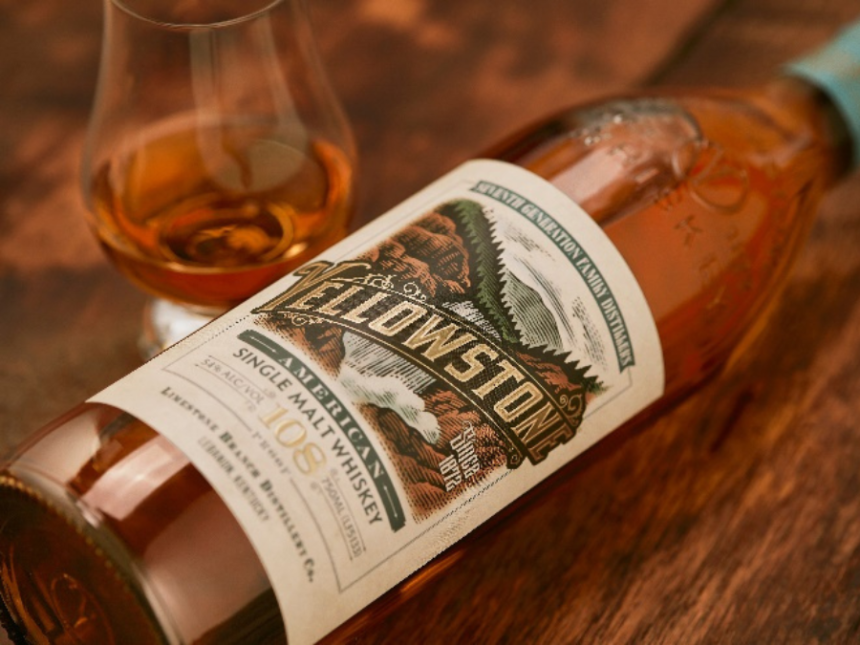
The co-founder & master distiller of Limestone Branch Distillery in Kentucky has forecast a “contraction of national and international American whiskey brands” in the mid- to long term.
Stephen Beam, who co-founded the Yellowstone bourbon and single malt producer 14 years ago, highlighted a “double-edged sword” situation for the category currently. Speaking to media on an online tasting call last week, Beam noted that there are more distilleries operating in the US today than at any time since Prohibition, while younger LDA consumers are drinking less alcohol than previous generations. He also referenced the US Surgeon General’s recommendation this month for an update of warning labels on all alcohol bottles to highlight a link with cancer.
“There are a lot of headwinds against spirits and I think the industry is going to have a shakeout,” Beam said on the call. “This will likely have a lot more impact on the lower than the higher shelf.
“I think there will be a contraction of national and international brands coming down the pipe.”
Beam also said that the purchase of a 50% stake in Limestone Branch by Luxco ten years ago, followed by the acquisition of Luxco by MGP Ingredients in 2021, has put his business in a better position than many of its peers. “Before we joined MGP,” he said, “I remember thinking we either had to get big or get small, because you can’t be in the middle – it doesn’t work.
“You can be small and regional, and do very well, or you can be very big.”
According to its most recent annual economic briefing, released in February last year, trade association the Distilled Spirits Council of the US reported flat sales for spirits domestically in 2023. American whiskey exhibited its premium cues, growing value sales by 3.8% on a dip in volumes of 0.4%.
Further afield, a 25% tariff on American whiskey imports into the European Union was implemented on a retaliatory basis against the US in mid-2018. A subsequent change of the US presidency two-and-a-half years later preceded a suspension of the tariff in late 2022.
The suspension is scheduled to expire at the end of March unless the US and the EU can settle their wider trade differences beforehand.