The drinks industry is in the grip of an innovation frenzy. Brand owners that built their portfolios around their established brands are watching their core consumers age out, drink less or defect to categories that didn’t exist a decade ago.
The response, almost universally, has been to innovate outward – to chase the growth that’s happening in the categories they aren’t in, such as premix RTDs, flavour extensions, stouts, world beers, agave-based spirits and whatever is the next big thing.
It’s the right instinct. The problem is how to do it successfully, and most brands trying to break into new categories haven’t stopped to ask the most important question: “What do we actually need to break?”
Every category of alcohol has its codes – the conventions, visual languages, emotional territories and marketing habits that define how brands look, sound and behave within it. Some are genuinely structural: break them and your brand stops making sense to consumers. Others are just accumulated habit – things the first successful brands did that everyone else copied, because it seemed to work.
The result is two familiar failure modes. The copycat absorbs the category’s surface conventions and reproduces them with minor variations. In RTDs, for example, this has meant brands with a century of heritage have launched canned serves marketed in exactly the same idiom as every other can on the shelf – “refreshing taste in an on-the-go format”, which is the drinks equivalent of a car advert that leads with four wheels and getting you from A to B.
The opposite failure is just as common. A handful of challengers set out to break every code simultaneously in an attempt to stand out – new format, new audience, new flavour profile, new emotional territory, new distribution model.
Some were interesting. Almost none scaled.
If you break everything at once, then there’s nothing to hold onto – no legibility, no familiarity, no bridge between where the consumer already is and where you want to take them. Keep all the codes and you’re invisible. Break all the codes and you’re incomprehensible.
Strategic and creative success comes from choosing which codes to honour, which to break and which ones to reimagine. Two brands have recently shown us what this looks like – and crucially, they’ve demonstrated their own mix of all three.
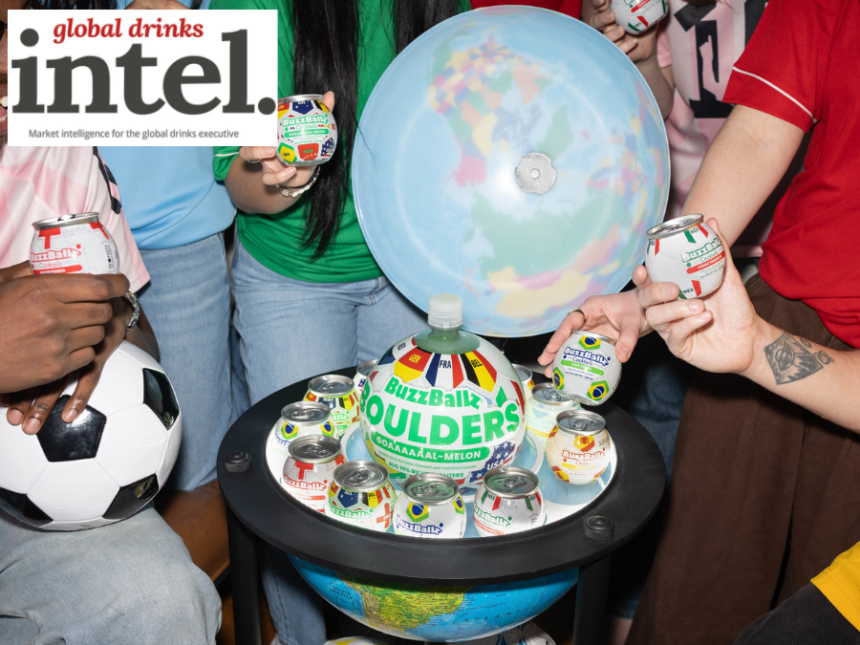
In RTDs, BuzzBallz arrived in the UK and broke codes others would have considered unbreakable. The format: a round plastic container where everyone else had a slim can. The price: a premium per unit that contradicted the category’s accessibility promise. The ABV: 15%, far above the light-touch sessionability that RTDs had normalised.
All of those it broke cleanly and deliberately. But it kept one code entirely intact – the emotional one that too many RTD brands had quietly buried under functional messaging: drinking is supposed to be fun, and fun should look like fun. The result was a brand instantly recognisable as belonging to the RTD occasion while looking like nothing else in it.
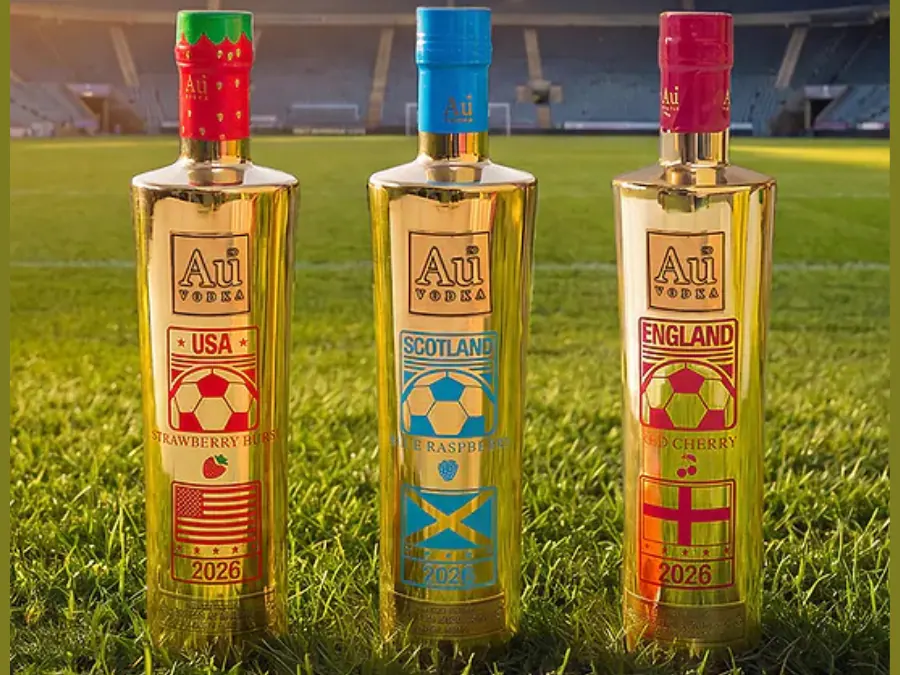
Meanwhile, in a category that had genuinely run out of ideas, Au Vodka has been busy demonstrating the third move – reimagining.
By 2020, vodka was coasting on four tired codes: purity, prestige, celebrity personas and glamorous parties. Au Vodka broke the first three entirely. But the fourth – vodka is for partying – it didn’t break or keep as-is. It reimagined it.
Where the category’s party code meant aspirational exclusivity, Au Vodka made it accessible, loud and shareable: gold bottles, candy-coloured RTDs, influencer-led stunts and a tone that was gleefully unserious. The occasion stayed the same, but everything about how that occasion looked and felt was transformed.
That’s the difference between breaking a code and reimagining one – and it’s a distinction that matters. Breaking says this code is wrong. Reimagining says this code is right, but the category’s current expression of it is tired.
In alcohol, every category has its codes: how it looks (visual and format), who it talks to (audience), what it claims to do (functional), how it makes people feel (emotional) and how it reaches consumers (playbook).
The brands that break into new categories with real impact – whether through instinct or deliberate strategy – all follow the same pattern. They identify which codes are structural and which are just a habit. They keep the ones consumers need to recognise and trust the category. They break the ones that are purely conventional.
They also reimagine the ones that point to something true but have been so poorly or lazily expressed that consumers have stopped noticing them.