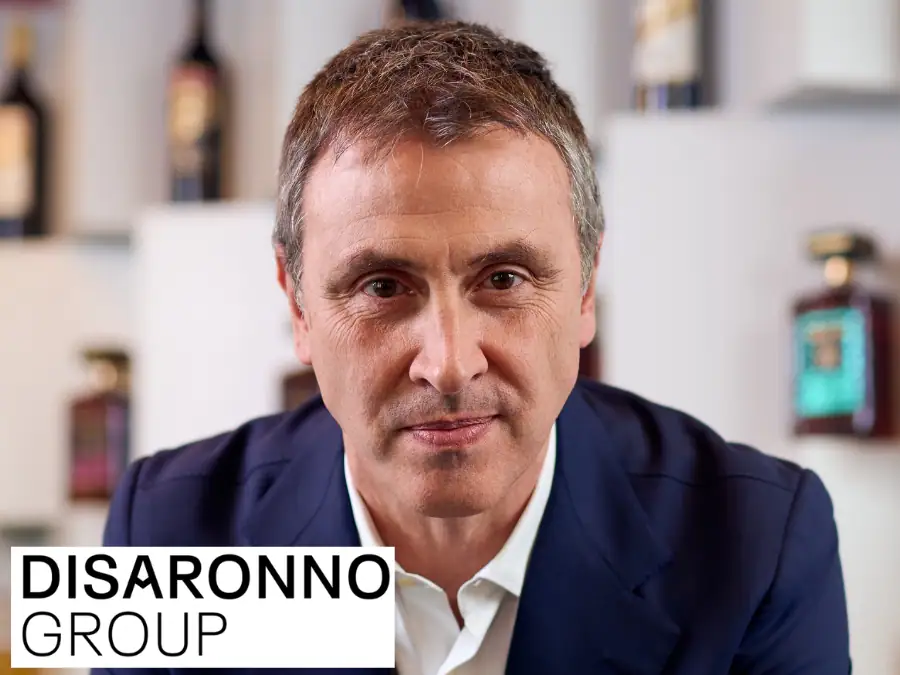
In part two of Global Drinks Intel‘s exclusive interview with the CEO of Disaronno Group, Marco Ferrari walks us through the company’s recent acquisitive tendencies, highlighting the differences between buying a start-up and buying an established brand. We also hear his thoughts on the trading environment for alcohol today, 30 years on from when he started in the industry.
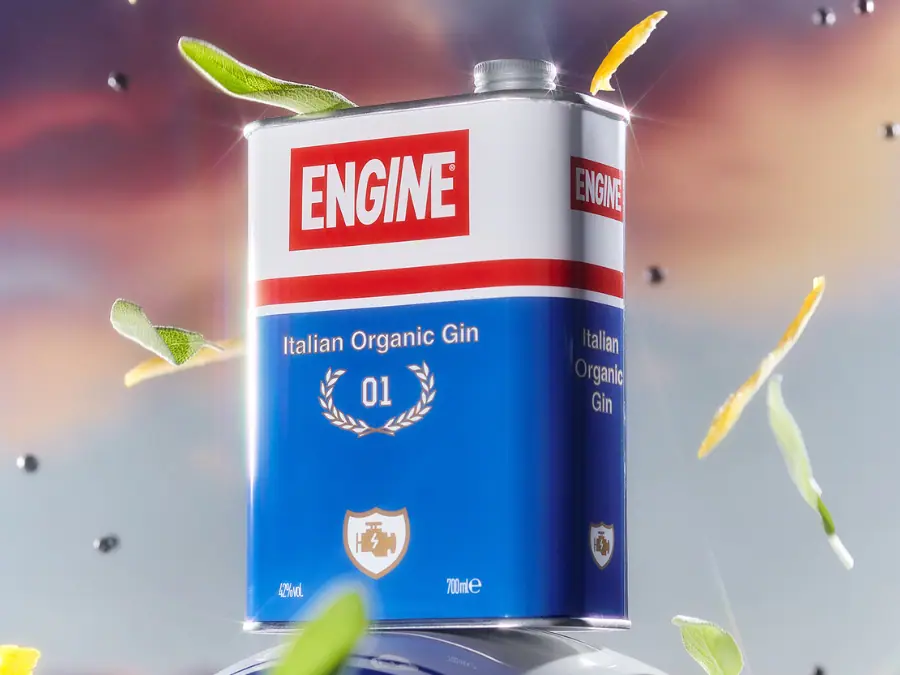
Your M&A department has been very busy of late; buying majority control of Sagamore Spirit in mid-2023, acquiring Engine Gin at the start of 2024 and welcoming Amaro Averna Siciliano and Zedda Piras from Campari Group seven months ago.
I can’t take the credit for Sagamore, which happened as I was joining the company! It’s a great brand, though, and one that pulls us out of our comfort zone a little bit. We need to learn a little bit more about how to manage whiskey. Some people make the mistake of comparing wine with spirits, but they’re different worlds. And, even within spirits, aged spirit has totally different dynamics. We’ve been focusing on bringing in specific competencies for whiskey, not only from a marketing strategy perspective but also on the distillation and blending side.
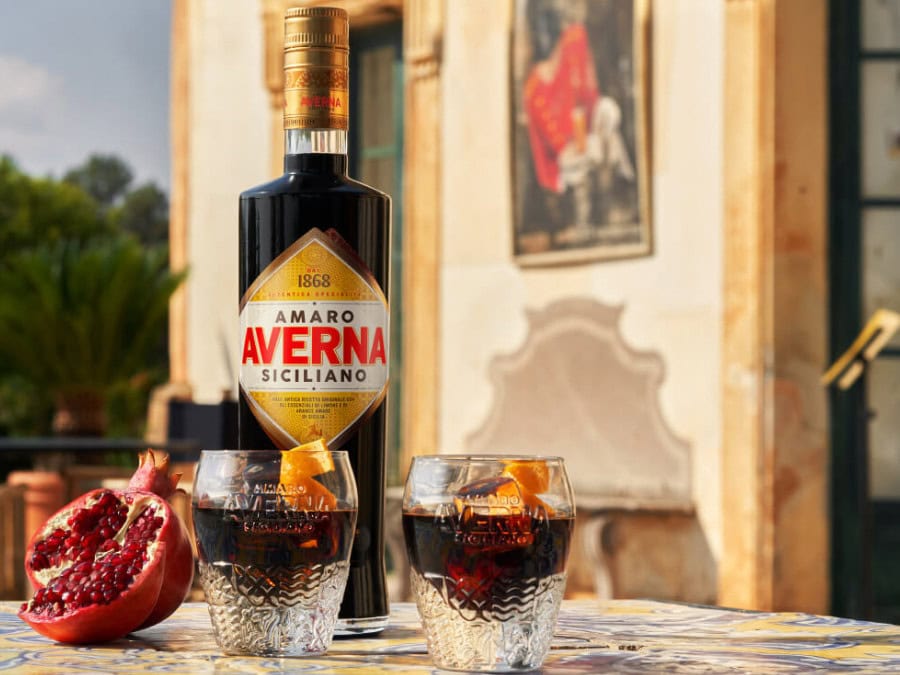
Averna and Zedda Piras are a perfect fit in our portfolio, particularly Averna, which sits very much in our comfort zone of liqueurs and amari. It’s also an Italian brand with a strong international presence – 75% of Averna’s revenues come from outside Italy, including Austria, Germany and the US.
As a group, our three core markets are Germany, Italy and the US. Everybody knows that to build a strong route to market, critical mass is essential, and to be able to execute successfully, a strong route to market is essential. Without a strong route to market, whether it’s direct or indirect, you’re going to struggle to make things happen.
I know the amaro category quite well from my past, and it has two sides to it. On one side, there are the mature markets, like Germany and Italy. where Averna has been struggling in recent years – probably because of a lack of prioritisation. We think we can do better than that because it’s going to be a top priority for us. On the other side are the dynamic markets where amaro is relatively small, but growing. In the US, for example, amaro is growing by double digits. Averna is a part of that growth, so we have high expectations that we’re going to continue on the same trajectory.
Again, we’re building critical mass in some core markets with Averna, while entering a category that’s showing very interesting dynamics in others. As an Italian brand with an international profile, it had our name on it!
There appear to be many bargains available to companies looking to buy brands right now.
Our recent acquisitions are a sign of how we want to invest for future growth. I can’t help thinking that some public companies are making decisions today that I understand for the short term, but they may not be the best for the very long term. We are the opposite.
When we were discussing the acquisition of Averna, we were very disciplined in defining the criteria as to why this was right for us. We were also very disciplined in clearly estimating the right value and the right return on investment, all for the long term.
I want to make sure that we do one thing at a time. We’re a good organisation, with good people and good competencies. We’re also not that small, but at the same time, we’re not huge. We have the ability to integrate assets like Averna (below) and Zedda Piras, but it will take us some time. I want to make sure we do it well, because poor integration is a horrible start to getting that return on investment. Besides, family owned doesn’t mean a lack of discipline or lack of desire to see a return!
In the very short term, then, we’re not going to be hyperactive. At the same time, opportunities sometimes come when you don’t ask for them. We’re going to keep our eyes and ears open to see what’s happening. Anything that comes our way will be assessed not just for our interest in the asset, but also for any potential disruption to our current integration.
Once we believe the integration is done, then we’re going to be active again.
Are you hoping to build a presence in every spirits category?
I believe that companies have a DNA and that it’s hard – and takes time – to stretch that DNA. In a way, we’ve already stretched our DNA with some of the whiskey acquisitions. It’s great that we have assets like Sagamore and The Busker, but the next acquisitions are going to be brands that are closer to our DNA.
Premiumisation is a thing, and I don’t think it’s going to go away. At the same time, I believe that a lot of consumers are going to be very careful in assessing what a premium brand means. There are a lot of brands out there that are premium in price, but they don’t deserve that price. Consumers are becoming a bit smarter; they understand what premium-affordable is. That’s where we sit, and it’s a wonderful place to be – communicating and standing for quality while not being ridiculously priced.
Our DNA is there and we need to reinforce our DNA before we stretch any further.
You’ve bought from individual entrepreneurs as well as from international brand owners. Which type of transaction is the most enjoyable?
The first one! It’s a bit easier to work with an entrepreneur. It’s a bit more complex when you buy from another company, but you learn from all processes. Nothing comes easy – now we have all the elements we need to transition the [Averna] brand and start on the right foot.
How do you view consumer behaviour today relative to what you’ve seen over the last 30 years?
My opinion seems to differ from the vast majority of people. I don’t think that Gen Z have stopped drinking. The data around the penetration of spirits with Gen Z once they get to working age is the same as it was before. I would describe this generation as having been demotivated socially by Covid.
At the same time, while we in the industry thought there was no elasticity, the prices of spirits have become ridiculous, and consumers are telling us that that’s the case.
I don’t think the current situation is a structural problem; it’s more of a cyclical problem. When I started in the industry, people weren’t drinking alcohol in nightclubs, they were drinking Evian! I was working on Bacardi Breezer at the time, and we were losing market share in clubs because they were doing ‘other things’. That wasn’t structural.
Then there was the threat of prohibition in advertising – that never happened. Then alcopops were killed by public opinion. The spirits industry didn’t die as a result, it changed. And came back stronger than before. I think we’re just in another one of these cycles.
The market is soft right now, for sure, but I don’t think it’s going to last forever. What’s happening now is a change of behaviour, but it’s not the first and it won’t be the last. If the managers in our industry are scared by changes of behaviour, then they need to do something else.
I get paid to try to find an answer to today’s problems. I’m optimistic, but I’m not a naive optimist. This is a very solid industry and it will come out stronger. Socialisation will always be a thing, and the pleasure of drinking will always be a thing that consumers are going to ask for.