

Cognac is a bit of a marketing anomaly. An age-old French distilled spirit, steeped in history and tradition, that has, for my personal living memory, been adopted by young consumers the world over.
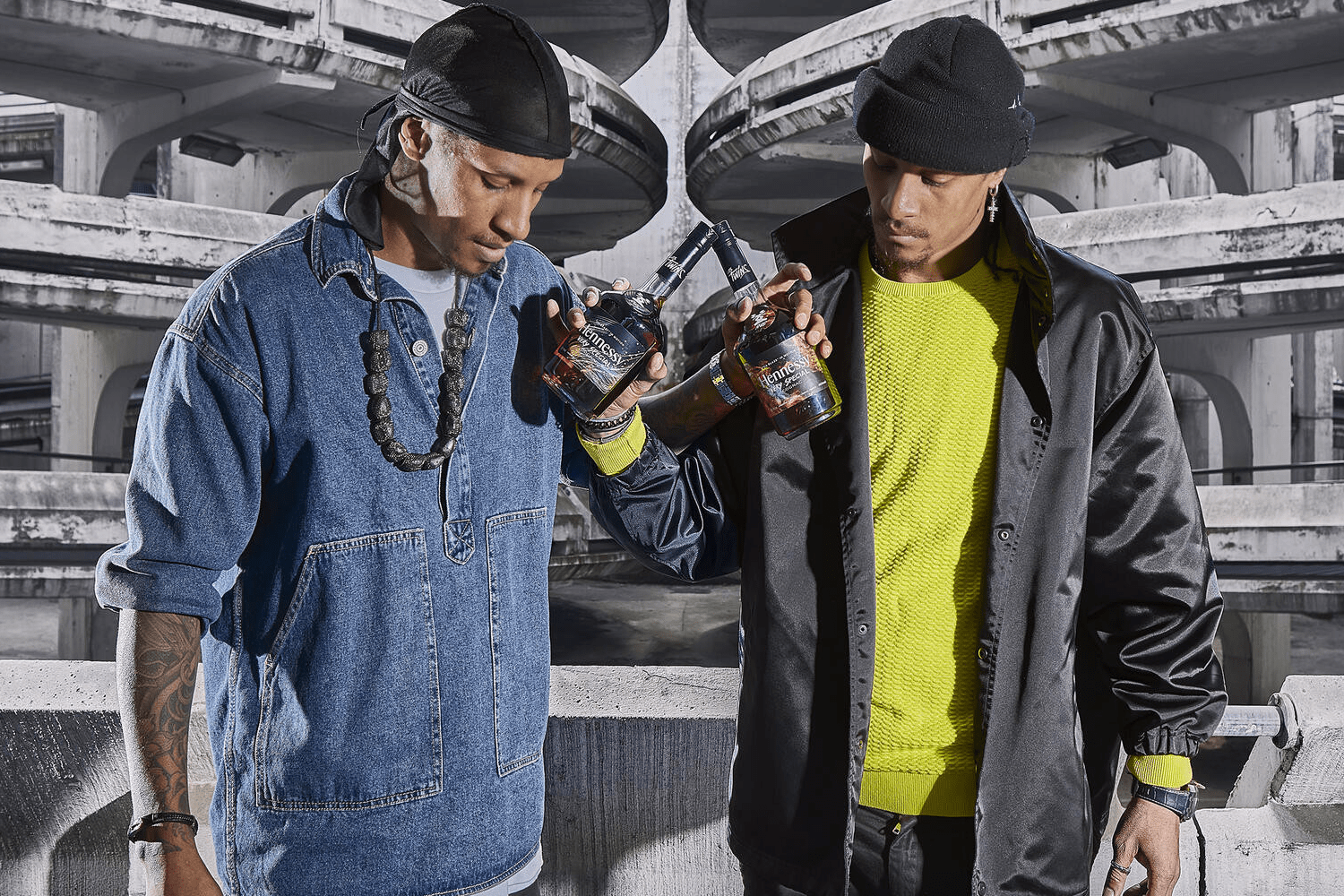
I’m especially thinking of Hennessy in the US and how it’s always been central to hip-hop culture. While it’s had rivals, no brand has ever threatened its throne. And let’s not forget Martell’s dominance in Asia, as it has been adopted as the drink of choice for the traditional corporate dinners that form a big part of doing business in places such as China.
If we look specifically to the US, Hennessy pretty much wrote the rulebook on influencer-based spirits marketing before the phrase had even been coined. Although the brand’s success has a huge amount to do with the rise of influence of hip-hop culture in the last 30 years, it wasn’t by accident that Hennessy found itself growing at the same time as a movement that originated in black American communities.
Hennessy’s route to growth was mapped out a long time ago, when black American soldiers stationed in France during World War One were introduced to the Cognac and found it attractive and welcoming. The alternative was Bourbon, a spirit steeped in southern American segregationist culture and, quite rightly, of zero interest to black communities in the US.
On returning to the US, these soldiers remembered the brand and the product. Hennessy embraced black American culture and became one of the first spirits brands to advertise in magazines like Ebony and Jet in the 1950s and 60s.
Fast forward 30 years and the brand had become an icon of black America.
So much so, if legend is true, when US rapper Tupac Shakur, aka 2Pac, penned the track Hennessey — which contains the lyric “they wanna knows my role model, it’s in a brown bottle, Hennessy” — it wasn’t a paid endorsement, it was an organic mention of a brand he respected that had been a part of his and his family’s life for years.
Hennessy soon became one of the most mentioned brands in hip-hop, with songs and lyrics from the world’s biggest rappers, including Snoop Dogg, Lil Wayne and Drake, name-dropping the French house. In fact, there’s a whole Spotify playlist dedicated to the subject right here: https://tinyurl.com/2p8tzks4
As the brand grew, it continued to be embraced by the culture with open arms, and it now does many collaborations with musicians, artists, fashion designers and, with the rise of hustle culture, entrepreneurs. This is on top of culturally relevant passion-point sponsorships like its partnership with the NBA (National Basketball Association).
Weirdly, this went unnoticed for some time by other spirits brands. Only recently have others clocked the true power of influence and hip-hop culture. First other Cognac brands joined the trend, and then whisky brands got involved too, such as Buchanan’s Scotch in the US partnering with Puerto Rican musician Bad Bunny in the reggaeton music scene. Closer to home, Havana Club has collaborated with Skepta and Chivas with Headie One — both big UK grime/rap names. And it’s worked extremely well for all of them. (Full disclosure: Impero works with Havana Club and Chivas to help them create the strategy to connect with rap culture at the street and luxury end of the markets). Influencers and rappers are now realising their power and are sidestepping big brands to launch their own alcohol brands, pushing into spaces like Champagne, RTDs, tequila and more disruptive products like US rapper Cardi B’s Whipped Shots (vodka whipped cream in a can).
I foresee a barrage of product launches ahead, from both traditional players and new outsiders.
Hennessy did it authentically in the US. Martell found its own space in China. And the aforementioned brands, who are the second wave of adopters of the strategy, are having great success for one reason: they’re doing it authentically and giving back to the culture, not just leeching off it.
I have spoken before about spirits marketing and how there is an irony to how many great branding strategies have come from brands plugging into this influencer/hip-hop category. Yet it is still, in a lot of ways, highly conservative in its marketing and full of copycats.
Copycats have a tendency to forget the hard yards and are boiling their marketing strategies down to, “What rapper can we pay to stand next to our bottle?”
When this happens, not only do the copycats have a problem, so do the originators. That’s because they’ll need to find a new lever to pull to remain relevant and to stand out.
Let’s hope brands like Hennessy remember how they wrote the rulebook in the first place. They created authenticity with a tribe and grew with it. They didn’t chase trends. And, crucially, they didn’t just see the culture as a consumption pool to sell to; they positioned themselves within a culture and contributed to it.
How they progress this playbook will be interesting to witness. But for me personally, seeing how many brands fail along the way trying to emulate it inauthentically will be just as interesting. GDI
Michael Scantlebury is the owner and executive creative director of independent creative agency Impero — the creative agency for impatient brands. www.weareimpero.com