


London. I grew up in New Zealand where we had many local beers. One was called DB Export. I remember thinking it weird that they branded it ‘export’ because DB was made in New Zealand for New Zealanders.
Looking back now, I could see what they were doing. Booze was once a glamour game. The most glamorous brands succeeded. If a brand was exported it was seen as more exotic, more glamorous and worthy of more of your weekly wage to indulge in it.
Through the middle of the last century brands like Chivas and Hennessy, as well as multiple Champagne brands, did exceedingly well in markets outside their own as they were seen as ‘exports’. They were big, powerful, glamorous brands that were much more desirable than ‘that local rubbish’.
This happened the world over. I was speaking once to a very famous distiller from a very famous London gin distillery who was recounting how vodka used to be such a hit in London bars in the 1980s. He put it down to one reason — before, during and just after the Berlin Wall came down, Russia was this distant place that all of a sudden became very new, exciting and interesting. In Russia, they drank vodka. So people who also wanted to be new, exciting and interesting asked for it in London bars.
Fast forward 20 to 30 years and something surprising happened. The appeal of ‘export’ was replaced with the polar opposite ‘local’. We all wanted local. Local brands, local suppliers, made by local hipsters. Big powerful brands were replaced by small niche ones. And for 20-plus years ‘craft’ and ‘local’ dominated the conversation around booze. Vodka, gin, rum, beer, wine — everything had to be local. Even if a lot of that localness was a trick of the smart marketing teams. For example, Irish whiskies branded as ‘local favourites’ in the US, and ‘local Italian aperitifs’ that were served at every local in the world. In this world, nobody would ever think to put the word ‘export’ on their bottle. It feels big, faceless and shallow. But now the gloss is coming off ‘local’ too.
Local hipsters have all hit their mid-40s and gone from exotic and interesting to pretentious and boring. They have gone from cool kids to mums and dads. And, for as long as mums and dads have tried, they’re just not cool. This is what happens. Trends come and go. Culture moves on. What’s strange is that this happens over and over and over again, but seems to constantly surprise our category.
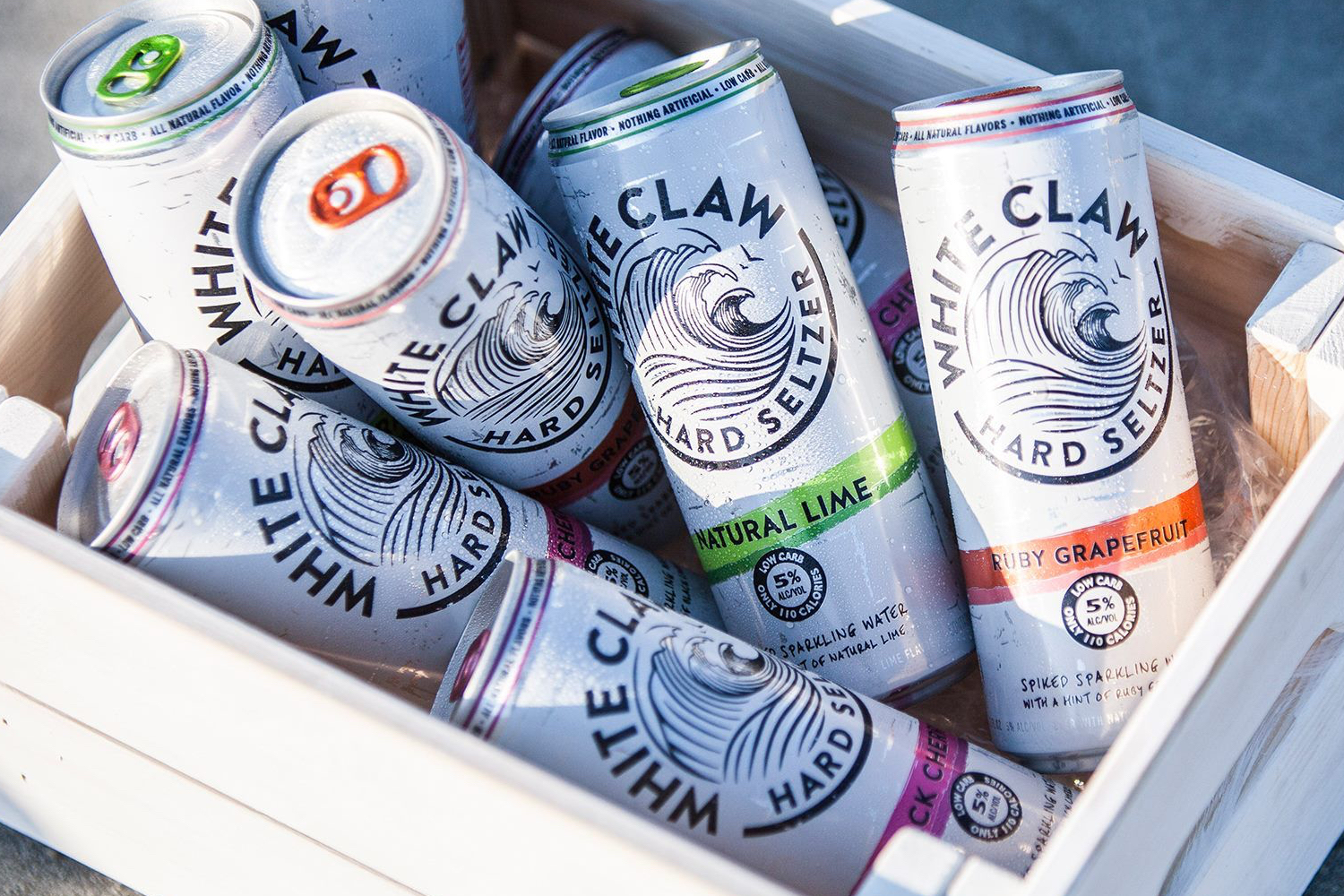
At the height of craftmania, a hard seltzer surprised everyone by breaking all the rules and becoming absolutely massive. When cocktails became stronger and stronger, a brand called Seedlip (followed by countless others) gave people an entirely new option — zero alcohol.
As brand strategists, we are often asked by our clients (the smart ones anyway), ‘How can we be part of the next wave, not the last one?’ I think my old mate, the distiller, had the answer nailed when he described the rise of vodka in the 1980s. He didn’t mention drinks, bars or brands. He spoke of culture and consumers. Russia was interesting in culture, and the consumer wanted a taste of it. It’s no coincidence that at the same time we all started drinking local the biggest cultural discussion of the time was food miles and GMO.
Hard seltzers were a reaction to culture getting sick of hipsters’ faff and Seedlip is not really a booze brand, it’s a wellness brand that sells a spirit(ish) drink. So if you’re trying to catch the next wave, I would suggest having a look at culture first and seeing what’s happening there. Because it will happen in booze very soon and you want to be the least surprised person when it does.