

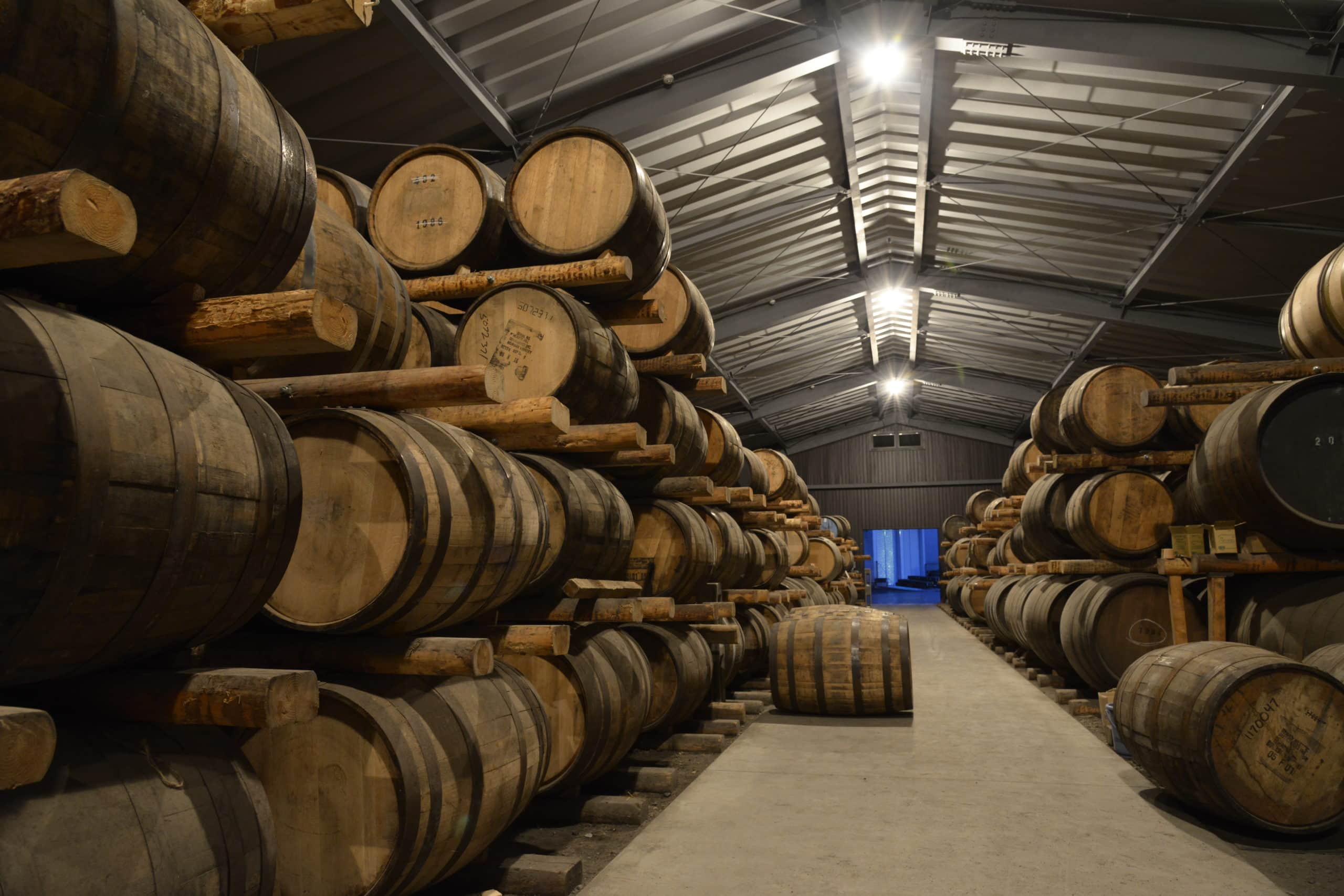
It’s several years now since Japan first confronted the chronic supply shortages which have led to the almost universal removal of age-stated Japanese whiskies from the market. Nikka discontinued all age-stated single malts back in 2015, and the company continues to distil at full capacity and build new warehouses for its growing inventory of maturing casks.
Like Nikka, Suntory is still exerting strict controls over the supply of products under its key Hibiki, Yamazaki and Hakushu labels as it awaits the fruits of investment in distillation capacity at Yamazaki and Hakushu. The company expects its inventory to reach 1.7m casks by 2022.

Meanwhile, Ichiro Akuto’s relatively youthful Chichibu — which started production in 2008, adding a second distillery in 2019 — has just launched its first 10yo whisky and will soon unveil Double Distilleries 2021, a blended malt produced in partnership with Mars Shinshu Distillery.
All three — Suntory, Nikka and Chichibu — will abide by the new labelling rules announced earlier this year by the Japan Spirits & Liqueurs Makers Association, which are designed to deliver transparency about the origin and raw materials used by producers in a country previously notorious for its lack of regulation.
While not legally binding, the new rules are a welcome step. But, says Yumi Yoshikawa, global brand ambassador for Chichibu and Venture Whisky, they shouldn’t detract from the “great quality” of products such as Ao from Suntory or Venture Whisky’s Ichiro’s Malt & Grain — which combine whiskies of different origins, but make no attempt to hide this fact. “The important thing for the consumer is transparency,” says Yoshikawa. “We shouldn’t just choose whisky from the labels or region, but we need to know the producers.”
To subscribe to Global Drinks Intel: https://staging-drinks-intel-com.stackstaging.com/subscribe.php