
- Japan’s alcohol market is shifting as younger consumers embrace RTDs, no/low-alcohol options and premium spirits, while traditional beer and high-strength shochu face declining demand
- Major producers such as Asahi and Suntory are investing in innovation, with RTDs and Japanese gin experiencing rapid growth driven by evolving tastes and convenient at-home consumption
- Despite whisky’s global success, rising costs and moderation trends are slowing domestic growth, although the whisky highball and boutique distilleries continue to energise the alcohol category
Japan’s alcohol market is undergoing a seismic shift as health-conscious consumers, bold innovation and surging demand for RTDs are challenging decades-old drinking traditions.
The beverage alcohol market in Japan is undergoing a significant transformation, yet it remains firmly in the hands of four domestic giants: Asahi Group Holdings, Sapporo Holdings, Suntory Group and Kirin.
A shift towards healthier lifestyles among younger LDA consumers, coupled with new government guidelines promoting responsible consumption, is reshaping the industry. These factors are dampening sales of wine and high-strength shochu, while boosting the demand for beer, low-ABV RTDs and alcohol-free alternatives.
Meanwhile, Japan’s long-stagnant economy is showing signs of life, with GDP expected to rebound by 1.5% this year, according to the Organisation for Economic Co-operation & Development. Slowing inflation should also spur consumer spending.
Against this more promising economic backdrop, brand owners are seizing opportunities in the fast-growing gin, RTD and no/low-alcohol segments, as well as leveraging digital technology for more personalised consumer engagement.
Breaking into Japan’s intricate market
For international drinks companies looking to export successfully to Japan, this complex market can present lucrative opportunities, but also notable challenges.
Cultural considerations such as the need to build trust and confidence among consumers who value authenticity and craftsmanship, as well as overcoming regulatory hurdles around labelling, advertising and taxation are two key areas to master, according to exporters.
“Having the right distributor is also critical to gaining access to key players in the market,” counsels Eric Heerema, owner & CEO of Nyetimber Group, which last year acquired English craft whisky producer The Lakes Distillery. “Japan has a complex and layered distribution system, and working with [our distributor] Oyama means that we can reach a Japanese audience that values both the premium branding and high quality of our whiskies.”
Dan Szor, founder of Cotswolds Distillery, says Japanese consumers have readily warmed to the company’s Cotswolds Gin as the gin category enjoys a spike in popularity.
“The beauty of Japan is that it is a market where consumers are discerning more than status-seeking, which means they care more about what’s inside the bottle than what is on the outside,” says Szor. “This means that they are more open to try new and lesser-known brands, regardless of origin, and they will typically respond well to authenticity and craft credentials.”
RTDs – A category on fire
The rise of RTDs in Japan has been decades in the making, driven by convenience, appeal to younger consumers and an increase in at-home drinking.
Popular styles range from malt-based beverages – resembling flavoured beer or chuhai (shochu highballs) – to spirit- and wine-based options. Major players such as Suntory, Asahi and Kirin are actively expanding their RTD portfolios, fuelling the market’s rapid growth.
“All of Japan’s major RTD suppliers are launching new products with innovative flavours and lower alcohol content,” says IWSR’s research director for Eastern Europe & Japan, Piotr Poznanski. “Attractive pricing and a tax hike on beer-like beverages, such as happoshu, are pushing consumers toward RTDs.”
Asahi’s results last year illustrate this trend clearly, with the group’s RTD sales soaring 27.6% in volume. In contrast, the group’s high-strength shochu and wine sales dropped by 8.3% and 0.2%, respectively. Among Asahi’s biggest RTD hits last year was Mirai No Lemon Sour, a limited-release shochu-based drink featuring an innovative pull-off lid and a slice of real lemon.
Gin’s momentum builds
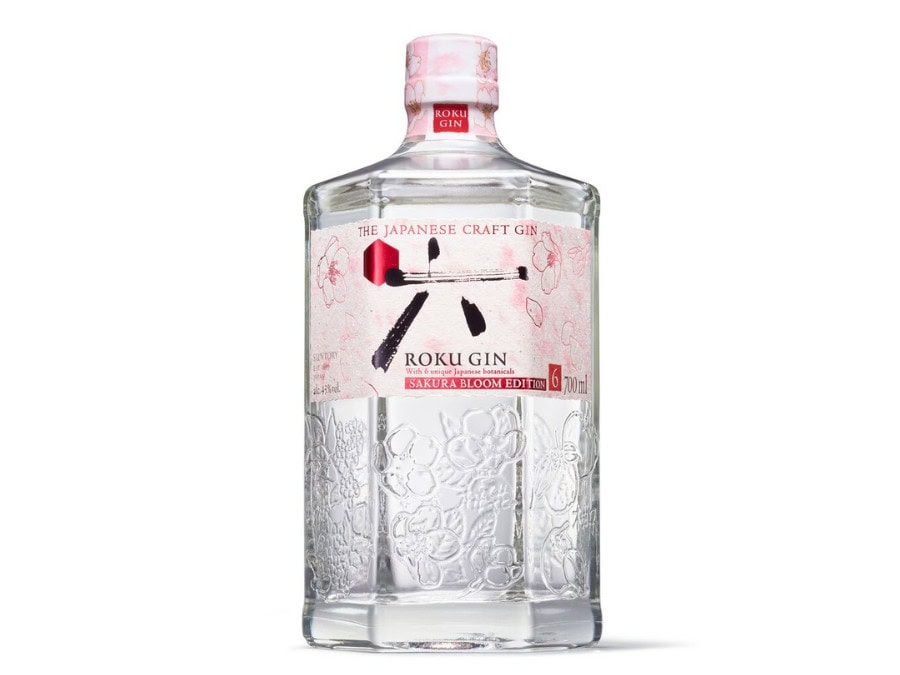
Japan’s nascent gin market is booming, growing 350% since 2019, according to Suntory Spirits, to reach JPY25bn (US$166.7m) last year. The success of pioneering domestic brands like Ki No Bi (part-owned by Pernod Ricard) and Suntory’s Roku Gin (Sakura Bloom Edition, above) has sparked interest in local botanicals such as green tea and sansho pepper, paving the way for a new wave of Japanese gins.
“Gin is still a category that Japanese consumers are discovering,” notes Ki No Bi’s global marketing manager, Adrien Timpano. “Some mass-market brands have built on the popular way of enjoying whisky in Japan, the highball. It is a less sweet version of the G&T, which matches better the palate of Japanese consumers and fits into the local drinking habits.”
Investment in the category is growing. Pernod Ricard is constructing a new EUR25m (US$26.8m) carbon-neutral distillery for Ki No Bi, set to increase production fivefold by late 2025. Meanwhile, Suntory has committed JPY6.5bn to expanding its Osaka Spirits & Craft Distillery, the production site for Roku, aiming to more than double production capacity and elevate Japan’s gin market to JPY45bn by 2030.
Despite its growing consumer base and investment by the likes of Pernod Ricard and Suntory Spirits, gin remains an occasional purchase, however, with only about 10% of Japanese consumers reporting they had gin in the past six months, according to IWSR data.
Japanese whisky – A global darling with a local challenge
Inspired by Scottish traditions, Japanese whisky has carved out its own distinct path, with the category’s dedication to precision and innovation creating a surge in demand from overseas. At home, however, producers face a more uncertain future. “Our preliminary data indicates Japanese whisky grew a small amount in 2024,” reveals IWSR’s Poznanski.
He attributes this poor showing to rising production costs, distillery expansions and increasing ingredient prices, which are leading to price hikes and slowing local demand. An ageing consumer base and more health-conscious younger generations are additional challenges.
Despite these headwinds, Poznanski concedes that the whisky highball remains a strong driver of category growth. Japan’s whisky boom has also fostered a new wave of boutique distilleries, with over 140 now in operation – more than double a decade ago.
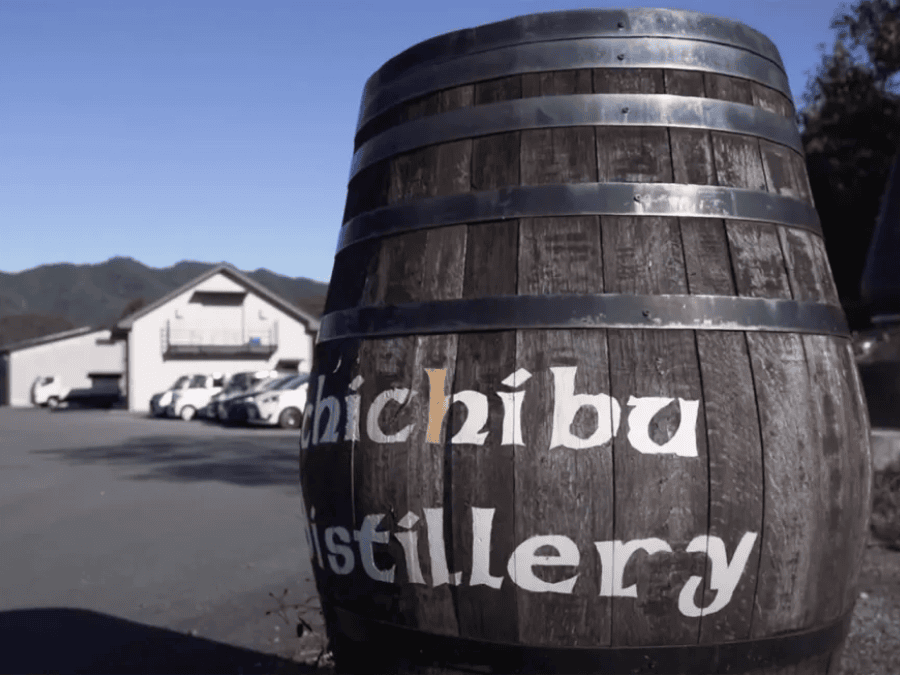
Chichibu Distillery (above), founded in 2004, was one of the pioneers of this movement. The brand’s flavour-led blends draw a cult-like following and last year it marked its 20th anniversary with a commemorative domestic release. “Smaller distilleries should highlight their unique characteristics rather than compete directly with the big brands,” says global ambassador Yumi Yoshikawa.

Local flavours bring a twist to cocktails
Japan’s dynamic cocktail scene, long dominated by the popular whisky highball, is poised to enter a new chapter with an increased focus on sustainability, hyper-personalisation and alternative spirits, as well as a fusion of Japanese ingredients and techniques with modern mixology trends.
“Japanese cocktail lovers appreciate balance and precision, but they’re also incredibly adventurous,” says Sullivan Gouvea, head bartender at Tokyo’s Cabin Nakameguro cocktail bar (above), which specialises in serving classic cocktails with a Japanese twist. “At Cabin, we’ve seen growing interest in amaro, cachaça and mezcal, alongside the continued popularity of Japanese whisky. It’s an exciting time to be a bartender in Japan.”
Meanwhile, at Bar Bota, on the seventh floor of the Four Seasons Osaka Hotel, the menu takes inspiration from Osaka’s reputation as the ‘kitchen of Japan’. “I’m very excited to be able to work mostly with hyperlocal produce and have direct contact with the producers and farmers,” says bar manager Andrei Marcu.
Bar Bota’s fusion-style cocktail list blends Japanese inspiration with innovative techniques. Highlights include the dotonbori slider, a clarified milk punch with Midori and citrus; the matcha & yuzu highball with smoky whisky and sherry; and the umeboshi martini featuring red ume-washed gin and umami bitters.
Beer holds ground amid changes
Although still a major alcohol category, beer has seen a gradual decline as younger consumers pivot toward RTDs and spirits. Still, it retains a 55% market share, according to Kirin Brewery, which reported a near 2% drop in beer sales in 2024 to 111.8m cases.
Recent tax changes have made traditional beer more competitive against beer-like beverages such as happoshu, according to Poznanski. He also believes that Japanese craft brewers face an uphill battle, as the country’s mainstream beer brands are already of a high quality, making it difficult for smaller players to justify premium pricing.
In contrast, non-alcoholic beer is thriving, driven by health-conscious consumers and broader product variety. Last year, Asahi Group saw its beer and beer-like sales decline by 3%, yet its alcohol-free Asahi Zero Beer exceeded expectations, selling 1.72m cases – 186% above its target.
Japan’s beverage alcohol market is undergoing a period of transition, ramping up production to meet overseas demand, while battling shifting consumer trends and an ageing domestic market. But, with a thriving RTD sector and improving economy buoyed by record tourist numbers, the home front is not without bright spots of its own.
This article is available to Global Drinks Intel members only.
Click below for details on how to join the Global Drinks Intel community.
Already a member?
Log in here to read the article in full.
If you work for any of the following corporate subscribers to Global Drinks Intel, head here to activate your access.
- AB InBev
- Bacardi
- Campari Group
- Diageo
- Moët Hennessy
- Pernod Ricard
- Proximo Spirits
- Suntory Global Spirits
- William Grant & Sons