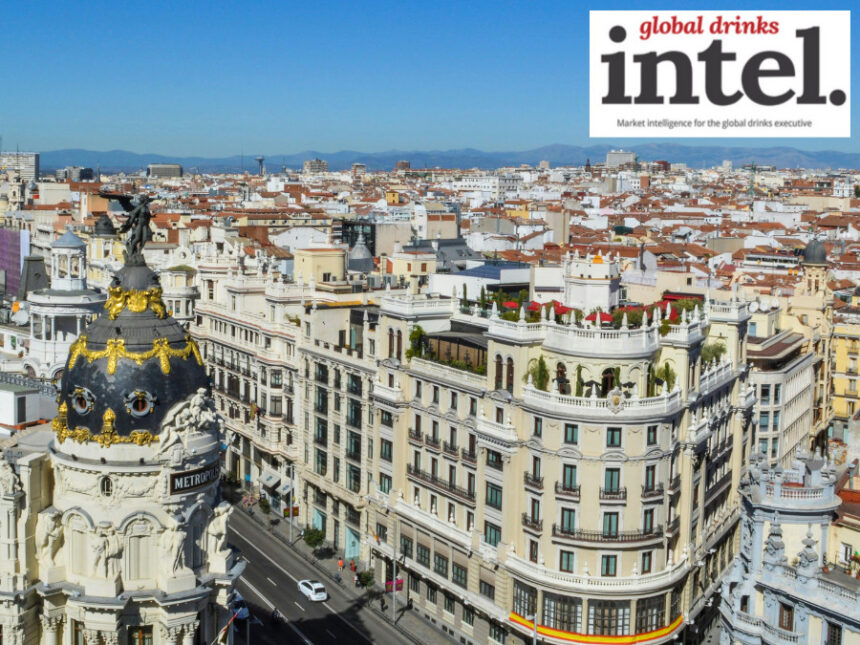
It’s hard not to be sociable in Madrid – the city offers numerous ways to entertain outside the home. With more than 80% of Madrileños living in flats, gatherings happen mostly in the on-premise.
From the aperitivo to the post-dinner shot, alcohol consumption in Spain tends to be paired with food. This might explain why even though Spaniards are among the top alcohol consumers within the Organisation for Economic Co-operation and Development’s 38 member countries (10.5 litres a year per capita), they are at the bottom percentile of heavy drinkers.
With a residential population of 3.4m, the Spanish capital welcomed 10.6m visitors last year, and the overall population is growing fast – last year, according to official data from the National Statistics Institute (INE), more than 120,500 new residents moved in. The city is becoming increasingly multicultural: in the affluent Madrid Centro district, 40% of its 145,400 residents were born abroad, while the overall average for the city is 28.8%.
Mass tourism is becoming an issue in many European destinations and Madrid is no exception. According to data published by the City Council of Madrid, one in every three people who stay in the city centre is a tourist. Gentrification not only disturbs tenants (the rent in hip central neighbourhoods like Lavapiés has increased by more than 70% in the last decade), but also businesses, especially new ones, as it’s trickier to find venues with affordable rents.
Since 2010, the region of Madrid has lost 26.3% of its bars, according to INE data, markedly above the Spanish average of 17%. Still, the figures for venues serving food and beverages remain consistent, and the hospitality industry is a significant employer: 236,871 people work in the sector.
Most of the popular bars, including Salmón Guru, La Venencia, Viva Madrid and La Caníbal, are in central neighbourhoods, such as La Latina, Barrio de Las Letras and Chueca.
The Trends
Madrid soaks up more than 2,900 hours of sunshine per year, double the London average of 1,400, which might explain why the terraces are packed even beyond the warmer months.
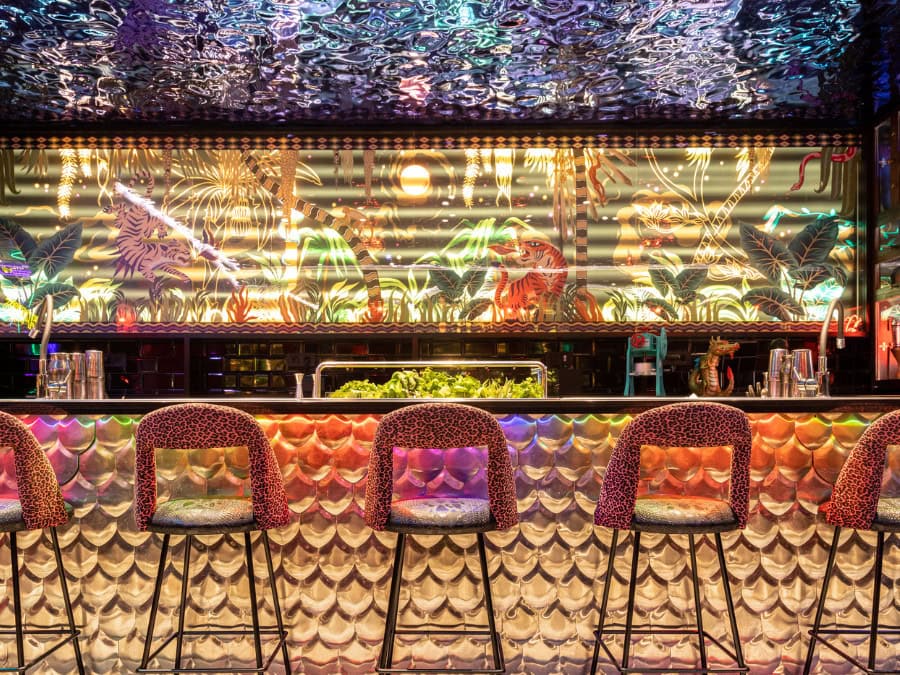
New habits of socialising – including tardeo, which broadly means a daytime night out – are paving the way to more diverse consumption occasions. “The concept of aperitivo and enjoying together is growing significantly, and tardeo is also in vogue,” says Diego Cabrera, bartender & owner of Salmón Gurú (above, No.23 on The World 50 Best Bars List 2024), Viva Madrid and Guru Lab.
“The cocktail scene is enjoying a sweet moment in Madrid,” he adds. “Young, talented bartenders don’t need to move to New York or London as they used to – Madrid has grown considerably and is now attracting international bartenders, who are moving here bringing their knowledge with them. This diversity of techniques and perspectives has wildly enriched the cocktail scene.”
When it comes to spirits, “whisk(e)y continues to lead the way, with gin and rum following”, says Álvaro Álvarez, CEO of distributor & importer Álvarez Brands.
Mexican spirits and cocktails are also being embraced in the Spanish capital, according to Álvarez. “Both tequila and mezcal are having huge success in Spain and enjoying double-digit growth year-on-year,” he says, noting that the category’s success is “bigger than the sales volume”. He explains: “There is a lot of interest, but it doesn’t reach every sector of the hospitality industry.”
Data from the Spanish Spirits Drinks Association shows that tequila has seen huge growth in 2022, up 30% compared to 2021 – but its market share is just 0.6%.
“Mezcal is lesser known than tequila,” says Álvarez. “It’s only available in mostly middle-range and high-end hospitality for now. Actually, even tequila isn’t that present in common bars and restaurants.” He highlights the tequila-based paloma cocktail as an under-the-radar trend that’s on the rise.
In wine, sherry is having somewhat of a resurgence, reveals Cabrera. “I’d say that all the products from Jerez, from brandy to sherry wines, are achieving good positioning both at home and abroad,” he says. DO Vino de Jerez data confirms the former: Last year, 44.5% of all the sherry produced remained in Spain, up from 34.4% in 2022.
The trend has increased footfall at old-school tavernas like La Venencia, a storied sherry bar by Puerta del Sol founded in 1928, as well as helping sherry to appear more often on cocktail menus at venues such as Angelita (No.65 on The World 50 Best Bars List 2024).
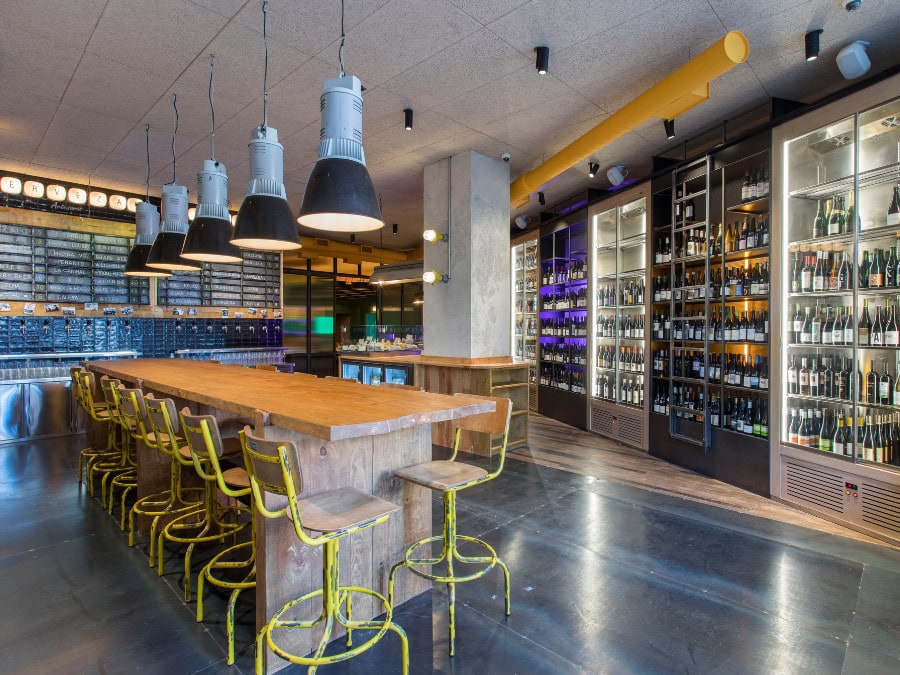
Elsewhere, the natural wine movement may be in its infancy, but is carving out a niche for itself in the capital, with established bars such as La Caníbal and newcomers like La Alquimia paving the way.
Carlos Campillo, operations director at La Caníbal (below), a craft beer & natural wine bar, says: “Years ago, people didn’t know what natural wine was, but now there is a new understanding of what it is and younger generations are looking for this sort of wine.”
Local and international players
One of Spain’s most revered drinks, vermouth, is enjoying a glorious comeback after some decades out of fashion – although the culture around it has changed.
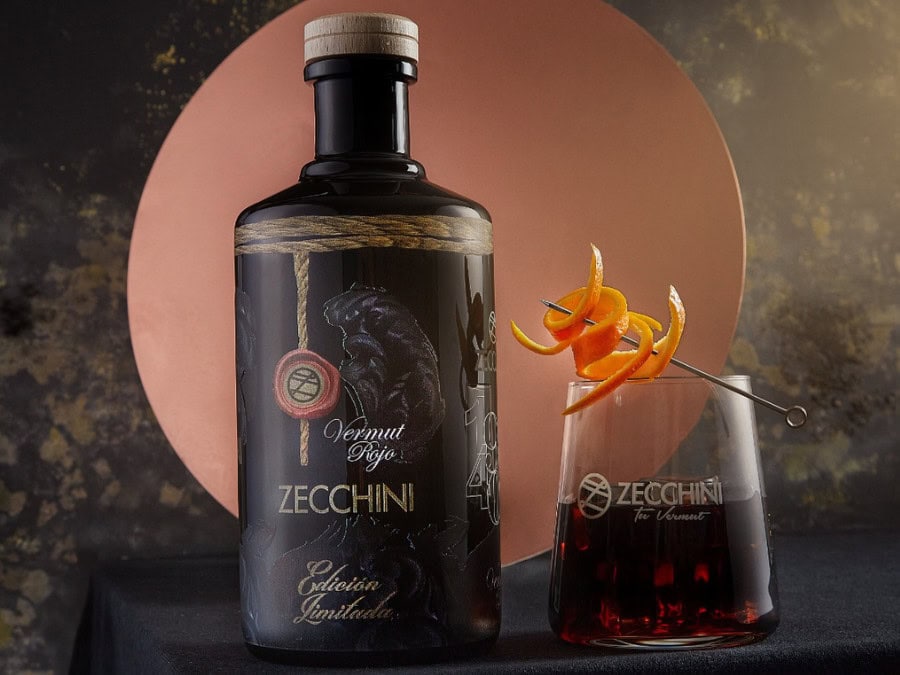
Jorge Cuesta, director of Zecchini (below), a family business that has produced vermouth in Madrid since the 1940s, says: “People are ordering vermouth again, but what’s changed compared with the 1960s is that it’s no longer an aperitivo drink to have on Sundays after mass. People have it through the day, on tap, mixed in cocktails… Vermouth consumption has risen in general.”
Large brand owners like Pernod Ricard Spain, which added its first local vermouth brand, St Petroni, to its portfolio in 2020, are taking notice. “Vermouth is having a boom, not only in Madrid, but globally,” says Cabrera. “Proof of this is in the emergence of many new vermouth brands focusing exclusively on mixology.
“Using a good vermouth for your cocktails is no longer enough; you need to choose the best one for each cocktail. Bars are ensuring they stock vermouths that stand out – we make our own – and offering good vermouth on tap makes a difference.”
The very Madrileño tradition of ‘ir de cañas’ (literally meaning ‘go out to have some beers’) is still going strong, even though Spaniards are consuming less beer than before the Covid pandemic – data from the ‘Socioeconomic Report of the Beer Sector in Spain 2023’ shows that last year, domestic consumption fell 3.5%, even though the rise of tourism drove overall consumption up by 2.8%. In bars and restaurants, beer consumption increased by 6.8% due to the tourism boost. (Foreigners upped their intake by 22.5%, while residents reduced it by 4.3%.)
The country’s beer production inched up in 2023 by 0.8%, reaching 41.3m litres (+5% compared to 2019), consolidating Spain’s spot as the second-largest producing nation in Europe, behind Germany and ahead of the UK.
Two of the most important companies in terms of worldwide brewing have their bases in Madrid – Mahou San Miguel and Heineken España. (Spain’s other big global player, Estrella Damm-maker Damm, is headquartered in Barcelona).
Meanwhile, craft beer is gaining ground – data from the Spanish Association of Independent Craft Beer Producers (AECAI) shows there were just 70 artisan breweries in the country in 2010, while a decade later there were 420. In the capital, craft beer is more widely available in the on-premise than previously and several specialist bars have opened their doors – in addition to La Caníbal, highlights include Fábrica Maravillas (the only brewery in central Madrid) and La Tape.
“[In Madrid,] beer was just something light and refreshing for the summer,” says La Caníbal’s Campillo.. “Now, youngsters want to distinguish themselves and are looking to discover new brands.”
Despite this growth in popularity, AECAI data shows craft beer’s market share is just 1.1%, well below the UK (5%) and Germany (11%). Interestingly, the country leads the global consumption of non-alcoholic beer (13%, Spanish Ministry of Agriculture data).
Challenges and opportunities
Alcohol consumption in Spain hasn’t yet returned to pre-pandemic levels -despite two years of increases, figures declined last year by 5.9%, according to the Spanish Spirits Association. The cost-of-living crisis, alcohol price rises and changing consumption habits are listed among the potential causes. Consumers still drink more outside the home, but Nielsen IQ data show on-premise demand for alcoholic beverages dropped 1.4% last year.
As well as this challenging trading environment, Madrid’s hospitality sector is navigating structural changes as on-premise venues join forces to maximise opportunities and the focus switches to the premium drinks sector.
“In the city, there are barely any independent spots anymore – bars and restaurants are grouping together,” says Álvarez. “For brands, it’s not the same to negotiate with just one bar as it is with a group of 30. Additionally, most new bars that open these days have a focus on the premium segment linked to premium spirits and a strong emphasis on their cocktail lists.”
Cabrera believes cocktails may soon rival beer and wine in food pairings in Madrid and beyond. The key lies in working with local producers to expand the creative cocktail offer.
“The more creative we become, the more unique we’ll be,” Cabrera explains. “I’m convinced that this will set the mixology course in the coming years.”
Is the cocktail landscape polarising in the on-premise? – Consumer Intel
Members-only intel
Keep reading this members-only article – and every one like it
- ✓All paywalled news and interviews
- ✓Category and market data
- ✓Monthly GDI magazine
- ✓Full archive + daily newsletter
Secure checkout · Cancel any time · Company invoices available
Already a member? Log in
See all plans, incl. 10-reader and corporate
Check if your company already pays for you Your company may already give you free access.
Corporate subscribers: AB InBev, Bacardi, Campari Group, Diageo, Moët Hennessy, Pernod Ricard, Proximo Spirits, Suntory Spirits Group, William Grant and Sons.
Activate company accessNot ready yet? Get the headlines free in our daily newsletter.
Sign up free