- Social media rules, for now – Consumers’ decision-making is increasingly being determined by social media to the point where online influencers can even make or break brands and venues. However, there is pushback, with some drinkers seeking out their own self-discovered in-person experiences.
- Moderation driving no/low – The no/low-alcohol movement continues as wellbeing remains in vogue; bars and brands alike need to embrace the trend.
- Global and local in the same sentence – Globalised alcohol brands may have power, but consumers are also more focused on local products and sustainability. Combining the two is a win-win.
- Alternatives to alcohol on the rise – Competition from other forms of intoxication, such as of cannabis, is increasing and changing the social landscape. Bars and brands must meet the same ‘need states’ to remain competitive in this area.
- Bursting the industry bubble – Those within the industry can set and drive trends, but consumers are taking more control. Understanding the market will need a closer ear to the ground, not just a reliance on industry stalwarts.
The number of venues in the on-premise channel continues to fall, but the channel remains essential for the future of the alcohol industry, according to recently-released research.
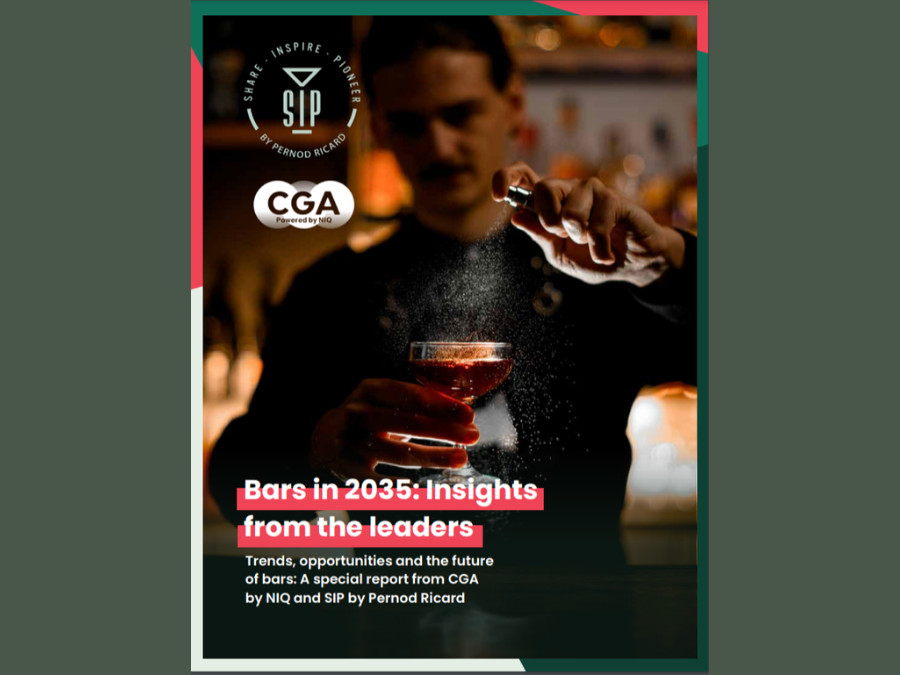
Like most of the consumer trends in beverage alcohol, those that have driven the on-premise channel in recent years have been accelerated by the Covid-19 pandemic, resulting in a sales environment that is vastly different today to earlier this century. The speed of change prompted Pernod Ricard’s trade advocacy platform, ‘Share. Inspire. Pioneer.’ (SIP), to partner with on-premise measurement, research & insight provider CGA by NIQ for an in-depth report, mapping out the lay of the land in 2025 and predicting the channel’s evolution, moving forward.
Published this week, ‘Bars in 2035: Insights from the Leaders’ (above) was preceded by a co-hosted round-table session in Madrid late last year. The report itself, meanwhile, combines data with qualitative views from nine influential individuals in the global on-premise. Among them were Anna Sebastian, formerly of The Savoy and The Langham in London, who has since launched a consultancy business; Simone Caporale, the owner of the renowned Sips bar in Barcelona and familiar to many through his work on chef Jamie Oliver’s ‘Drinks Tube’ channel, and the founder of lifestyle platform The Dram Attic and South Asia chair for The World’s 50 Best Bars, Priyanka Blah.
“This is an apt time to reflect on the sector,” Charlie Mitchell, head of insights & consumer research at CGA by NIQ, tells Global Drinks Intel. “The last ten years have seen so much change; from the rise and fall of gin, the contraction in the number of bars and clubs, and fundamental changes in how consumers interact with the sector. Things have moved from consumption to connection, which was one of the big themes of the report.”
Be wary of polarisation
According to the report, two-thirds of consumers purchase specific drinks or food items based on their social media feeds, while 39% choose a drink if they think it will look good in an online post. For the on-premise, however, social media pulls both ways. On the one hand, it can encourage the discovery of new venues and drive footfall, but it can also lead to people interacting only through their devices.
“The round table showed how much polarisation there is,” says Mitchell. “Some bars now have a no-phones policy to heighten a sense of connection, while others are deliberately designed to be Instagram-able. Both will continue to coexist.”
In this vein of polarisation, consumers are also searching for familiar global brands that they trust, and cocktails they know, while also wanting “a taste of local” notes Mitchell. “An individual spark can set a venue apart.”
For the head of global on-trade development at Pernod Ricard, Roland Krupinski, one of the biggest takeaways from the Madrid session tied in with SIP’s remit. “We discussed many things, but the one that’s close to my heart is our ambition with SIP: thinking global, but living local,” he says.
“We support local bars to leverage their experience and through SIP, we want to be connected to them in each market more than ever. To do that we have to be mindful of what is truly important to them.”
Listening and learning
To ensure these opinions of those at the consumer coalface are heard, Pernod Ricard is going a step further. “As an outcome of this report,” says Krupinski, “we will create a ‘SIP Manifesto’ capturing the key trends discussed by global hospitality leaders. This will help the industry grow and become better in all aspects of its work and in developing experiences for guests.
“Only the brands that really listen and give back to the industry will stay relevant. We need to be an active partner, especially when it comes to training needs, giving them inspiration in their careers to make hospitality a real job. This applies across the board from hotel F&B managers and bar owners to chefs and managers, as well as bartenders. Hospitality can create a lot of opportunities.”
As a former bartender, CGA’s consumer research manager, Dylan Battick, is highly attuned to the social needs of the on-premise, and how they can vary by market. “There’s a real work-life balance issue,” he says. “In India, for example, where the trade is starting to develop very fast, a lot of bartenders are working 60-plus hours a week. It means they can’t experience the trade themselves, because they have no time.”
This can impact engagement and learning, and risks actively discouraging people from entering the trade. “Brands are trying to address this by giving bartenders the means to gain experiences through things like sponsored ‘industry nights’ or individual grants to go to cocktail weeks,” says Battick. “These are critical elements to create environments where bartenders can enjoy their careers. Staff retention is already a concern following a big exodus during Covid.”
Today, Mitchell believes, the channel is at a crossroads. “The next ten years feel pivotal,” he says. “The industry has always faced challenges, but they seem to be more frequent. What will always remain constant is the need to socialise; bars must step up to create those great hospitality experiences that are still craved by consumers.”
Riding the social media wave
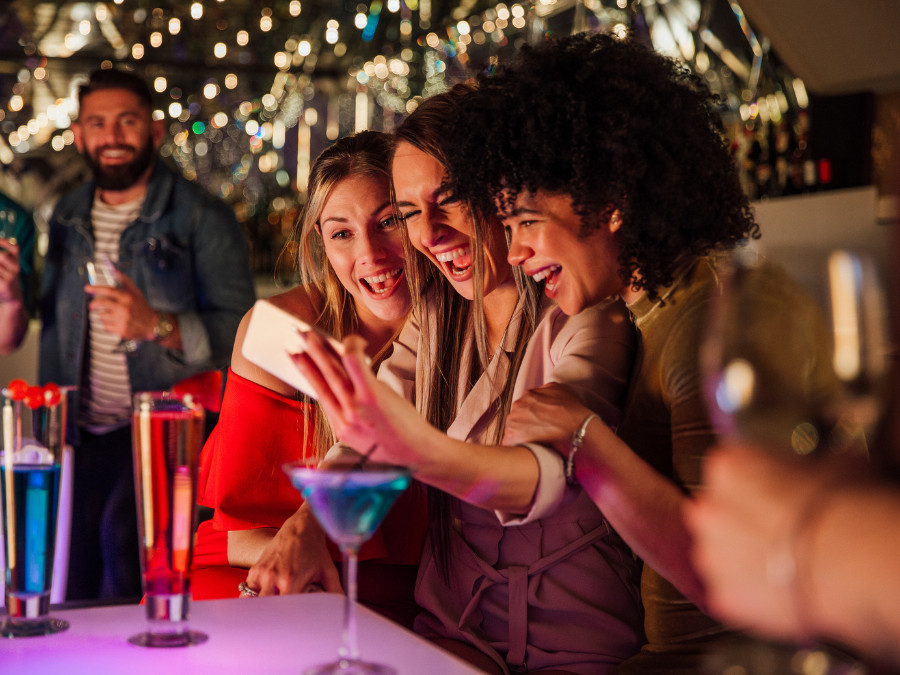
Social media exposure has significant positive value in the on-premise, according to global research from CGA’s ‘Reach’ programme. More than 70% of consumers have visited a specific bar or similar venue after seeing it on social platforms like TikTok and Instagram, while two-thirds have purchased a specific drink or food item based on their online research.
On-premise visitors also like to post their eating and drinking experiences on social media, which means that aesthetics of both drinks and the bars themselves are important. This is opening opportunities for new types of direct-to-consumer online engagement with bars, adding to bar staff’s already heavy workloads. Supplier support, therefore, will be an important part of the brand/bartender relationship.
“Bartenders have a great relationship with consumers, and brands want to be a part of it,” explains Danil Nevsky, founder of Indie Bartender.
In its ‘2024 Global Bartender Report‘, CGA by NIQ found that 42% of staff think brands with a strong social media presence are best placed to thrive, making it a growing channel for activations and education. The co-founder of London bar Tayēr + Elementary, Alex Kratena, recalls: “Somebody made a TikTok video of one of our margaritas and for a year-and-a-half afterwards we had guests coming for that same drink.”
Nor should the impact of influencers be overlooked. “There are people on TikTok and Instagram who none of us have heard of, but they influence more consumer behaviour than any of us,” observes Nevsky.
Social media has also helped boost no- & low-alcohol offerings to the point where over the next decade, no/low will break out into the mainstream.
“No/low-alcohol drinks aren’t just sold to teetotallers,” says Indra Kantono, the co-founder of Jigger & Pony Group, which owns and operates seven venues in Singapore. “Growth is happening because brands have recognised there’s a far bigger appeal.”
Alternative mood boosters
While moderation is bringing new options to drinkers in the on-premise, so too is the consumer desire for mood-boosting or relaxing alternative forms of intoxication, such as nootropics drinks.
A growing range of buzz-creating alternatives is offering consumers more options, according to the ‘Bars in 2035‘ report. It showcases the example of legalised cannabis in some US states, where cannabis lounges and THC-infused beverages are emerging as alternatives to traditional alcoholic options.
However, rather than being a direct competitor to alcohol, the report suggests that alternative forms of intoxication will be able to co-exist with alcohol, giving examples of innovative venues that are already raising the bar when it comes to ways to liven moods and improve the spirits of guests.
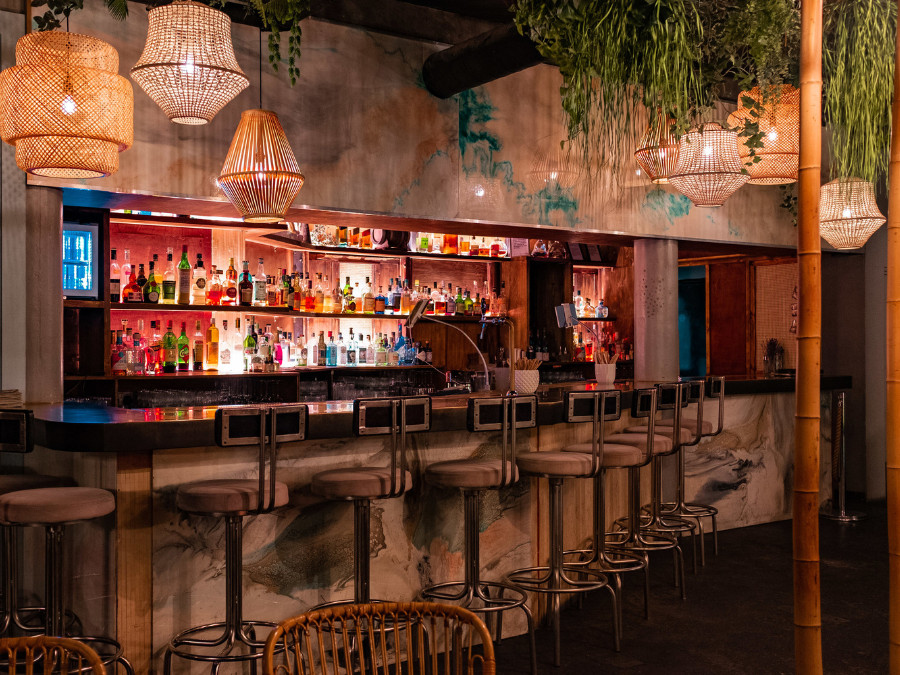
The report showcases the Nine Lives Bar (above) in London, where GM William Campbell-Rowntree has developed a mood-enhancing non-alcoholic menu featuring nootropic ingredients with the aim of ‘enhancing mood and cognitive function’ to align with the bar’s mission to have ‘a positive influence on guests’.
This is an example of what the report cites as a “new wave of interest into alternative mood-boosters”. According to CGA by NIQ’s Mitchell, the message to bars around the world is clear: “showcasing the positive impacts of alcohol and celebrating the art of socialising and conviviality through responsible drinking will be critical.”
The ‘Bars in 2035‘ report concludes that “alcoholic options can co-exist – and even thrive – alongside alternative mood boosters, but brands should acknowledge the competition and update positioning accordingly”.
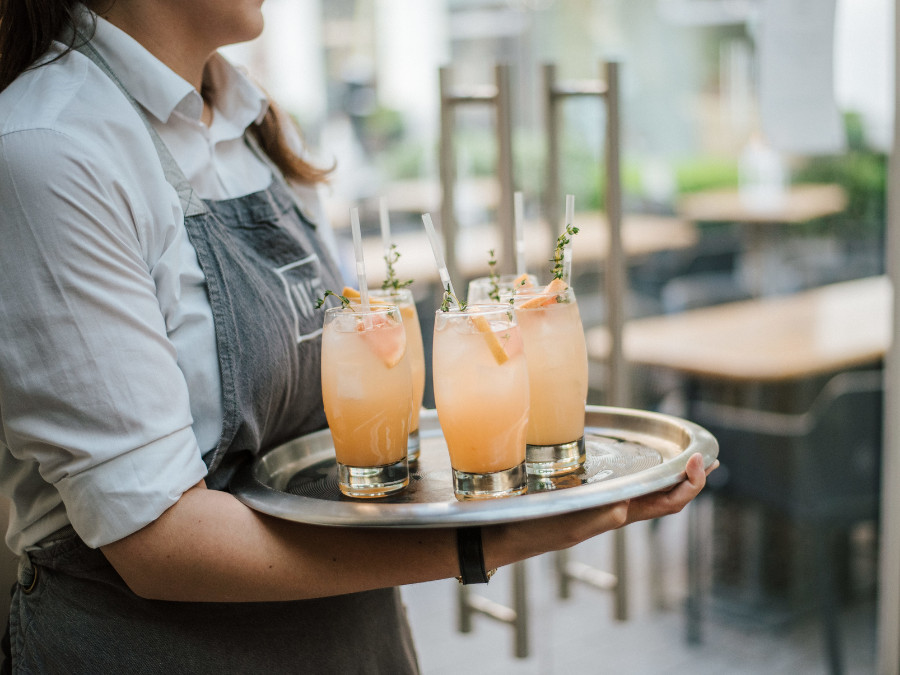
Keeping it simple – The return of stripped-back, good-value drinks
The Covid pandemic has a lot to answer for, including the rise of making cocktails at home and, in turn, the familiarity of no-frills mixed drinks. Could the wave of interest in complex cocktails be over?
“Consumers are starting to look for more simplistic bars, because they realise that cocktails don’t always have to be fancy,” comments Sara Moudoulaud, a celebrated mixologist at Bar Nouveau in Paris.
While ultra-premium serves remain popular, many consumers now want more straightforward options. Covid fueled an appreciation of uncomplicated classics, which has remained since the on-premise channel reopened, according to the ‘Bars in 2035‘ report.
Meanwhile, value has become more of a driver and is manifesting itself in the strength of consumer demand for simpler serves. As the luxury end of the drinks market continues to flourish, an unstable economic environment has put the brakes on consumer spending.
CGA by NIQ’s research suggests that consumers still want to go out, but they’re drinking less when they do so, with 25% of global consumers planning to order fewer cocktails in the year ahead. This has slowed the premiumisation trend, but doesn’t mean that consumers are willing to sacrifice quality.
“Value for money doesn’t necessarily mean cheap – just worth the price that is being paid,” notes the report. “Consumers are seeking high standards at fair prices; if they don’t get them, they have plenty of other bars and drinks categories to choose from.”
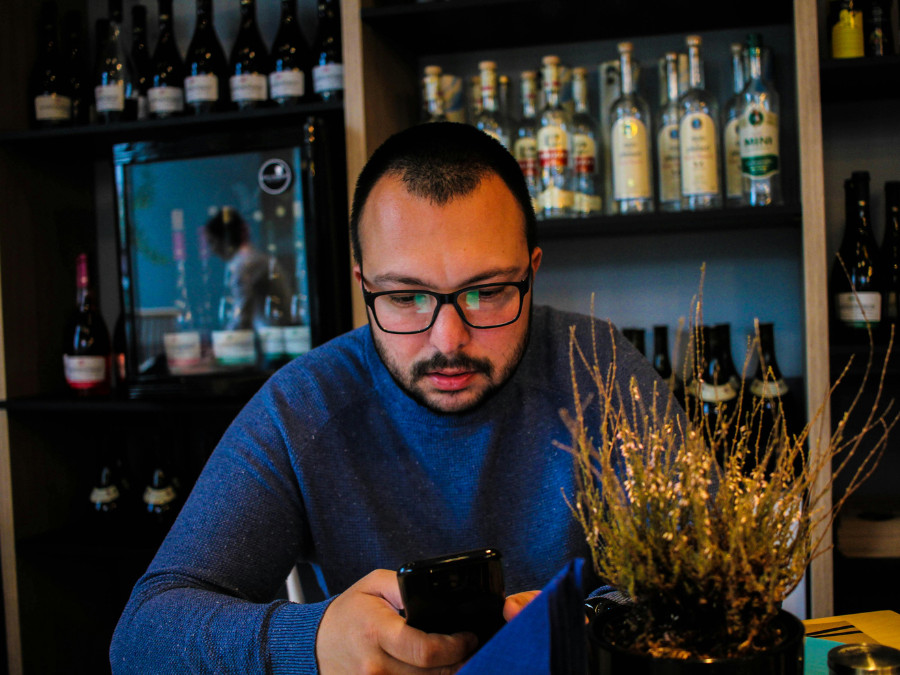
Digital disconnect – In search of real-world connections
As indicated earlier, the on-premise has a paradox to wrestle with in the form of social media. While embedding digital can attract consumers to the channel, some are switching off in search of real-world inspiration and deeper connections offline.
The presence of social media is only going to grow – Instagram is now at 1.4bn active users and TikTok just topped 1bn. These platforms are overshadowing traditional advertising channels, and bartender influencers will become ever more important.
However, the ‘Bars in 2035‘ report points to “a growing backlash” against social media. “We’re starting to see venues, brands and consumers push back against the ‘always-on’ culture, and seeking to create refuges from the online world,” it notes. “Momentum for this disconnection is going to build, and brands and venues that accommodate it can flourish”.
As consumers scale back their online dependence to protect their mental health and indulge in more ‘real’ experiences, smartphone bans in venues – to allow their patrons to relax – are on the rise. As one roundtable participant puts it: “There will be a need for bars where consumers can just enjoy the night without the pressure to take photos.”
Bars and brands will have to deftly balance the online and the offline; they are opposing but complementary and there will be demand for both in the decade ahead.