

As this year’s World Rum Day (Saturday, July 11) fast approaches, how is your venue poised to celebrate this most versatile and diverse of brown spirits? Will your staff reach for well-known bottles of silver, gold, and spiced rum to serve crowd-pleasing classic cocktails such as daiquiris, mojitos, and the evergreen Cuba Libre? Or will they find precious time to embark on the more difficult task of persuading whisk(e)y-loving consumers to swap their favourite single malt for an aged sipping rum?
In markets such as France, Spain, and Canada, rum aficionados increasingly view high-end, age-statement expressions with the same reverence as ultra-premium whiskies, but many more whisk(e)y drinkers remain unconvinced. Newly converted rum devotees have discovered that aged rums can possess the same strict quality cues, rich heritage, and structural complexity as the world’s finest drams.
Yet, persuading a dyed-in-the-wool whisk(e)y drinker to take that first step in a busy on-premise setting is no easy task. The sad truth is that many bars and restaurants have yet to capitalise on premium aged rum’s ability to drive high-margin, profitable sales.
As World Rum Day looms, we spoke to leading global bartenders and rum brand ambassadors to map out the blueprint for turning whisk(e)y advocates into rum lovers.

A problem of perception
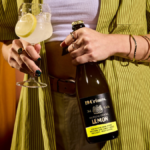
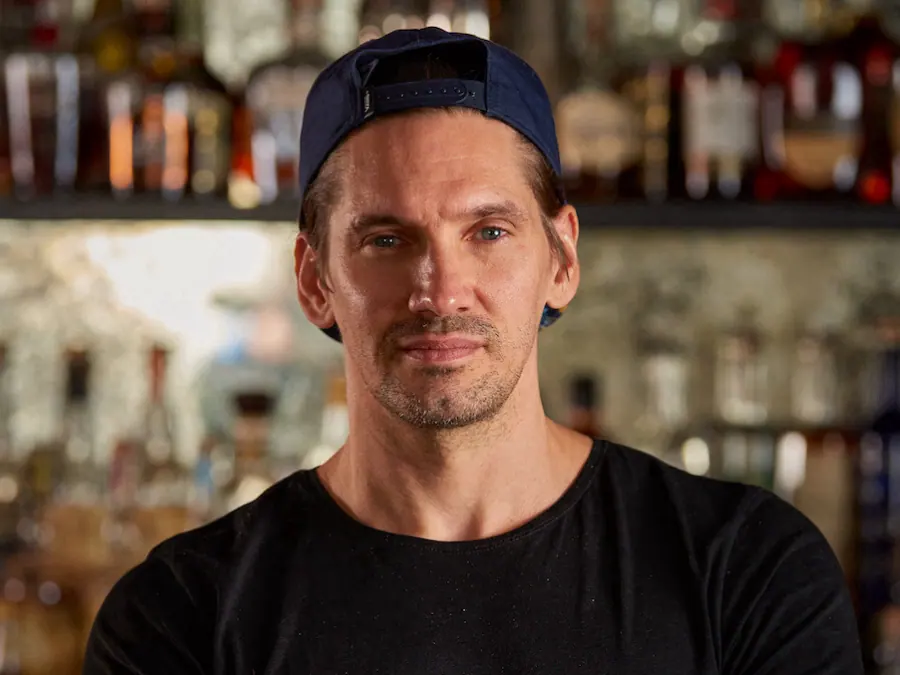
“Rum has all the ingredients to compete at the highest level – heritage, craftsmanship, regional diversity, and exceptional aged expressions,” says the bar manager at The Landmark London’s Mirror Bar, Sandor Biro (above). “But it still carries decades of consumer perception that positions it primarily as a cocktail spirit.
“Many guests associate rum with mojitos, daiquiris, or spiced rum, rather than something to sip neat.”
This view is echoed across the English Channel by Nico de Soto (below), founder of the critically acclaimed Danico in Paris (ranked as one of the world’s 50 Best Bars) and Mace in New York City.
“A lot of consumers still associate rum with cocktails, sweetness, or party drinking rather than serious sipping,” de Soto notes. “The quality is absolutely there, but the category still needs clearer education and stronger luxury positioning behind the bar. Whisk(e)y drinkers tend to respond well to rums that feel structured, dry, and layered rather than overly sweet.”
Demystifying a fragmented category
Unlike the highly regulated and standardised vocabulary surrounding single malt scotch, rum’s global landscape can remain confusingly fragmented to the uninitiated. Different countries enforce their own production laws, distillation techniques and ageing classifications.
While this regional diversity is arguably one of rum’s greatest strengths, it can be baffling to category newcomers.
“I think the most important role the bartenders, mixologists, and the keepers of the spirits can do is educate,” explains Daniel Tindal, executive VP of New Jersey-based Crillon Importers, the US importer of Haitian brand Rhum Barbancourt. “The overall rum category is very loose when it comes to education. Is it molasses-based or sugarcane juice? Is it solera or a true age statement? Is it spiced or fruit-flavoured? What does ‘rum’ taste like?
“I think too often rum gets pigeonholed into a lacklustre ‘tiki’ presentation when there’s far more sophistication to it.”
For Tindal, the secret lies in changing the vocabulary. “When discussing premium aged expressions, the conversation naturally shifts toward the broader brown spirits category, sharing clear sensory similarities with cognac, whisk(e)y, or aged agave,” he explains. “A good bartender will show some classic ‘brown spirit’ cocktails to a consumer who is intrigued by the possibilities of rum, as a great entry point into aged rum.”
The remedy, according to our expert panel, lies in careful menu planning and confident, story-driven staff recommendations. To successfully clinch an upsell, bartenders need an authentic brand story backed by solid liquid credentials.
Building the flavour bridge
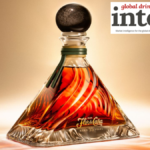
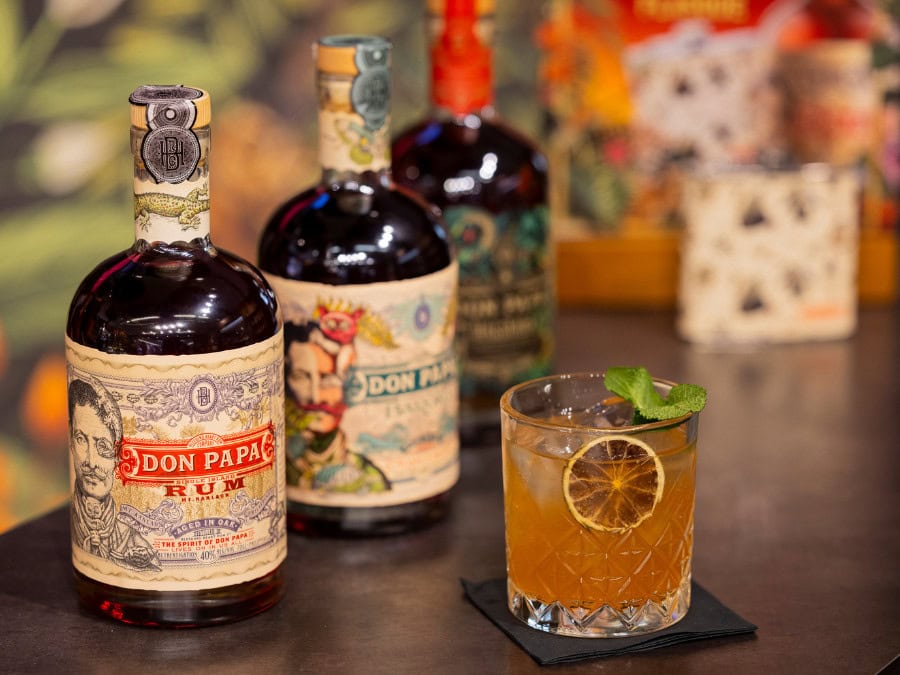
Enter Don Papa (above), a rum that hails from the lush, volcanic island of Negros Occidental, known locally as ‘Sugarlandia’, in the Philippines.
“What’s holding the category back isn’t quality, it’s perception,” explains Don Papa’s global brand ambassador, Aaron William Goodall. “For many guests, rum is still associated with mixing or sweeter serves, rather than something to slow down and savour. That’s changing, but it takes education and confident recommendations from bartenders to shift those expectations.”
For a whisk(e)y drinker, Don Papa offers an incredibly easy flavour bridge, Goodall argues. The warm, tropical climate of the Philippines dramatically accelerates the interaction between the spirit and the oak barrel, imparting deep, mature wood characteristics in a fraction of the time required in cooler European climates.
Within the Don Papa portfolio, two specific expressions serve as perfect entry points for the rum-curious:
- The Flagship (Don Papa Rum) – Draws immediate familiarity through its smooth layers of vanilla, baking spices, and toasted oak derived from American barrel ageing
- The Peat-Head Alternative (Don Papa Gayuma) – Provides a compelling twist for scotch fans—it is finished for three months in Islay whisky casks, imparting a delicate, sophisticated smoky note over the rum’s naturally tropical fruit and vanilla profile.
Mapping the sensory journey
World Rum Day represents an ideal, commercially low-risk opportunity to introduce curated sipping flights that challenge consumers’ preconceptions. Rather than arranging a tasting flight organised strictly by price or age statements, Biro recommends operators guide guests through a sensory map of styles, raw materials, and cask influences.
In fact, he suggests creating an educational four-stage journey:
- The elegant opener: A light, Spanish-style rum bursting with vanilla, tropical fruit, and gentle oak flavours
- The middleweight challenger: A richer, English-style rum exuding weight, spice, and deep, dried-fruit characteristics
- The ‘terroir’ showcase: A distinctive French Caribbean Agricole rum (or a pure sugarcane juice expression like Rhum Barbancourt), replete with herbal, grassy, and mineral notes to prove that rum boasts terroir too
- The cask-driven finale: An older, heavily wood-matured expression that delivers complex layers of dark chocolate, roasted coffee, tobacco, and baking spices.
“The recommendation has to feel personal rather than transactional,” advises Biro. “Instead of asking, ‘Would you like the premium version?’, bartenders should ask what flavours guests normally enjoy. Once you understand whether someone likes bourbon, Speyside whisky, or Cognac, it’s much easier to recommend a rum with similar characteristics.”
De Soto advocates for simplicity and the power of the liquid to speak for itself. “Don’t oversell it,” he warns. “Just frame it as a different sipping experience. A small taste, one good story about the rum, and the right glassware can make a big difference.”
Experiential activations over discounts
To capitalise fully on rum’s day of celebration, proactive brands are moving away from traditional price discounts in favour of experiential activations. This year, Don Papa is rolling out its ‘Taste of Purple’ campaign across key European on-premise accounts, celebrating the ube (a vibrant purple yam native to the Philippines) by integrating it into high-end cocktail serves and trade events.
Stateside, Crillon Importers is similarly leveraging the calendar hook to drive localised consumer engagement for Rhum Barbancourt.
“We’re taking advantage of a natural focus around World Rum Day and partnering with Brooklyn Rum Fest for a week of activities and ways to explore Rhum Barbancourt throughout different touchpoints around New York,” says Tindal. “We’re also running smaller connections throughout the US as well as advertising campaigns around our key markets.
“This year we’ve launched a campaign called ‘Crafted with Soul’, and we’d like to share this story with our audience to show what makes Rhum Barbancourt so unique and different.”
The bottom line
The reassuring fact for the on-premise channel is that modern consumers, especially Millennials and Gen Z, are less loyal to one single alcohol category than ever before. Instead, they are driven by curiosity, authenticity and memorable sensory experiences. Premium aged rum does not need to replace whisk(e)y on the backbar. Rather, it complements its rival by offering an equally sophisticated, yet frequently more surprising and accessible, up-market alternative.
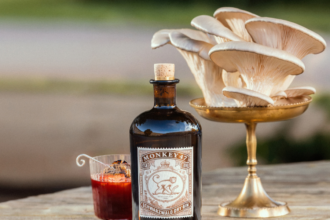
For Yury Surin, global marketing director at the Stoli Group, the owner of Louisiana’s Bayou Rum (below), bartenders must play a “crucial role” in developing premium-plus rum. He urges bar teams to explore the category more deeply, its origins, production methods, flavour profiles and the specific character of each liquid.
“That means giving teams room to experiment beyond pouring agreements, presenting aged rum with the same care often given to whisky, and telling each brand’s story through flavour, pairing and serve. In the end, it’s often the story that lingers.”
As World Rum Day approaches this weekend, then, the ultimate advice for those holding the shaker is simple, yet powerful. In the words of Daniel Tindal: “Talk about rum! Encourage a new experience.”
Empower your staff with storytelling, invest in premium glassware, and present aged rum with the prestige it rightfully commands. The financial results might just surprise you.
Bayou Rum and the story of America’s original spirit
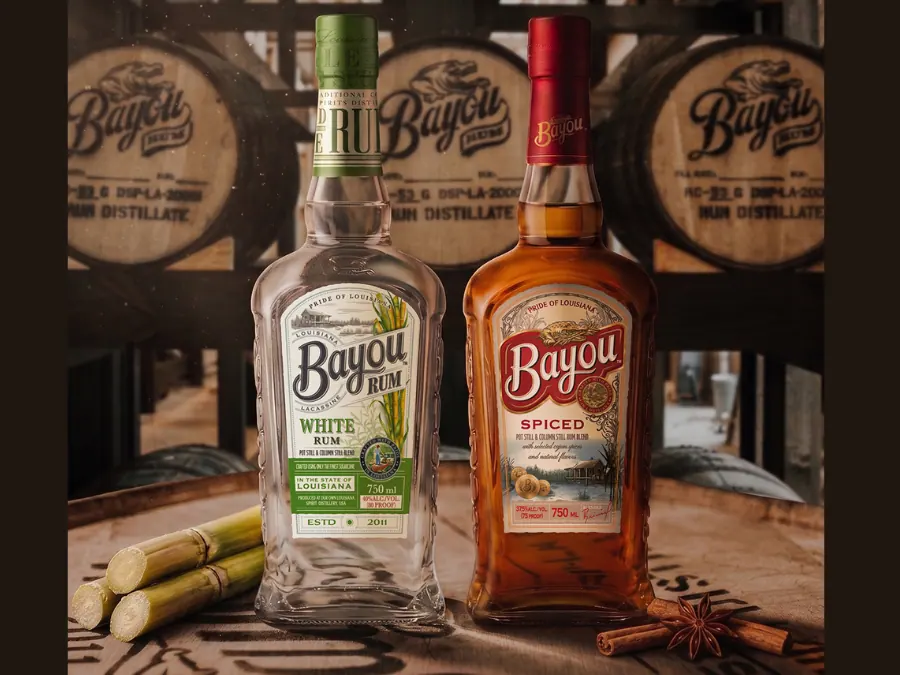
Born in Louisiana and built around the flavour of the American South, Bayou Rum is making a fresh case for the US as one of rum’s most compelling frontiers.
Rum is often discussed through the lens of the Caribbean, Latin America or old colonial trade routes. But America has its own rum story – and Louisiana is one of the most natural places for that story to be told. With its sugarcane fields, French and Creole heritage, deep cocktail traditions, vibrant food culture and unmistakable Southern character, Louisiana gives rum something many brands work hard to create: a real sense of place.
That is the space Bayou Rum owns. Produced at Louisiana Spirits Distillery in Lacassine, Bayou is not borrowing tropical cues from elsewhere. Its identity is rooted in the American South – in the heat, colour, music, spice and hospitality of Louisiana. The brand’s role is bigger than simply adding another bottle to the rum shelf. Bayou is telling the story of American rum-making and pushing forward the idea of rum as an original American spirit.
For Stoli Group, Bayou represents a clear opportunity: to build a rum brand with authentic local provenance, broad commercial relevance and a flavour profile that speaks to both everyday drinkers and the trade. The brand is already positioned as the number-one rum in Louisiana, giving it a strong home-market foundation. The next step is to take that credibility further – first across the Southern US, then into wider national and international markets.
Bayou’s strength lies in its balance of accessibility and character. The range is made for the occasions when rum naturally thrives: Mojitos, Daiquiris, highballs, long refreshing mixed drinks and easy social serves. But it also has a flavour world that feels specific. Bayou White Rum brings floral notes, ripe banana, green apple and soft molasses sweetness. Bayou Spiced Rum leans into Louisiana’s culinary identity, with cinnamon, vanilla, clove, black pepper and a touch of cayenne warmth inspired by Cajun spice culture.
That sense of place now sits behind a sharper core proposition. In 2026, Stoli Group began production of upgraded Bayou White and Bayou Spiced expressions at Louisiana Spirits Distillery. The liquid has evolved from the brand’s historical 100% pot-still foundation into a more mixable blend of copper pot-still distillate and clean column-still spirit. The aim is not to remove character, but to make Bayou brighter, cleaner and more versatile in the serves that drive real rum volume.
The commercial proposition has also been sharpened. With a suggested retail price of around US$15–16 per 75cl bottle, Bayou is positioned to compete directly with mainstream category leaders while offering something more ownable: genuine American provenance and a Louisiana flavour signature.
As World Rum Day puts the category in focus, Bayou’s message is timely. Rum’s future will not be built only on ultra-premium aged releases or familiar island imagery. It will also be shaped by brands that bring new origins, new energy and new drinking occasions into the conversation.
Bayou’s contribution is clear: an authentic American rum, proudly made in Louisiana, carrying forward the story of America’s original spirit one serve at a time.