Global Drinks Intel: What’s the Big Drop story so far?
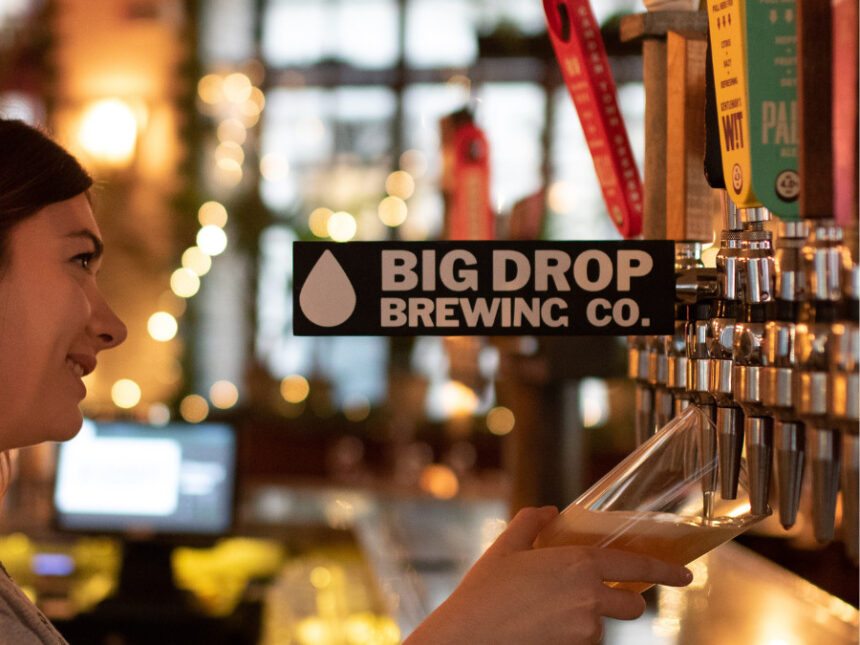
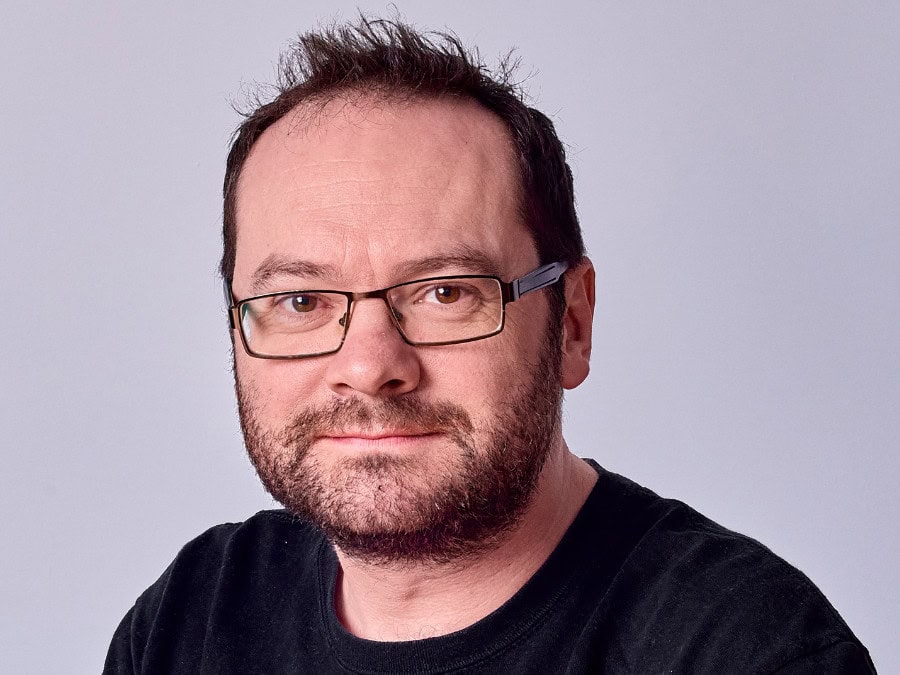
Rob Fink, co-founder of Big Drop Brewing Co: We started Big Drop in 2016, when I’d stopped drinking for a year when we had our first son. I was working as a lawyer at the time, so it was a bit of a side-hustle, but we started to push harder in 2018.
We were one of the OG’s (original gangsters) in terms of alcohol-free only breweries – we were the first in the UK and probably second or third in the world.
The goal was always to create a category of alcohol-free craft beer because it didn’t seem to exist. Fast forward to today and I think I’ve been proved right insofar as there was a gap in the market and we’re continuing to try to fill it.
GDI: Do you operate your own brewery?
RF: From day one, I’ve always said I never want to build or buy or own a brewery. It always seemed like a distraction from what we were trying to do.
There was also an element of necessity behind setting up with a contract brewing model – If you want to build or buy a brewery, you need a lot of money, which I didn’t have at the time. We outsourced the manufacturing to third-party breweries and they’ve become bigger and more sophisticated as we’ve grown.
We’ve since restructured to operate on a licence model with In Good Company Brewing for everywhere apart from North America and Australia.
GDI: How crowded is the market gap today that you identified eight years ago?
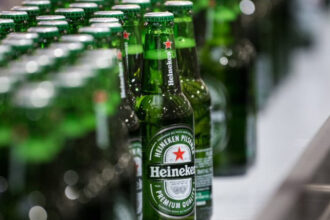
RF: It’s been interesting to see what’s happened, having been there from the outset. Back then, none of the big, macro-brewers were interested in this space at all. Then, all of a sudden, in around 2019, Heineken 0.0 was released. Since then, all of the big players have released zero-ABV versions of their flagship brands. Everything’s got a zero version of it.
What’s also happened is that a lot of the independent family brewers here in the UK have also started to dabble in zero-ABV at the craft end. The challenge for brands like our’s is to justify our right to exist in a landscape where alcohol-free beer is far more widely produced and available than it has been at any point before. Some guys are going to the wall because they can’t keep up.
Meanwhile, the mood music from regulators and health authorities at the moment has become quite anti-alcohol. The extrapolation of their opinions means that they’re going to look at alcohol companies in the same way they looked at tobacco companies. My view is that the brand equity is going to start to be chipped away at. It won’t happen overnight: This started with tobacco in the 1970s – Marlboro, for example, had brilliant brand equity, but nobody under 30 knows what Marlboro used to look like.
In alcohol, if you’re making a play in zero by using an alcoholic brand, then the zero thing will lose its brand equity as well. If the labelling on the full-strength version ends up having to carry a health warning label, then the zero version will no longer be an attractive brand.
That will take time to play out – and maybe I’m wrong – but I think what the big guys are doing is trying to squeeze out every possible bit of brand equity that they can from what they’ve got. Our justification for existing in this landscape is that we don’t have an alcoholic brand, so the value of our brand equity doesn’t diminish.
GDI: How do you promote Big Drop’s pure-play position when we’re not yet at that point?
RF: It is harder, for sure, but you can still play in spaces that the bigger guys aren’t comfortable playing in. Smaller brands can always be cheekier and more irreverent than the bigger brands.
The other thing we can do, which they’re choosing not to do at the moment, is focus on draught beer. They’re keener on closed systems for draught, because they’re worried about contamination – the pubs, though, hate it because they’ve got this enormous carbuncle sitting on their bars.
We’re at 0.5% ABV and add stabilisers and preservatives to our beer to allow for it to be poured through an existing line. Where we can win is in that draught presence.
GDI: How well do you get on with the established brewers?
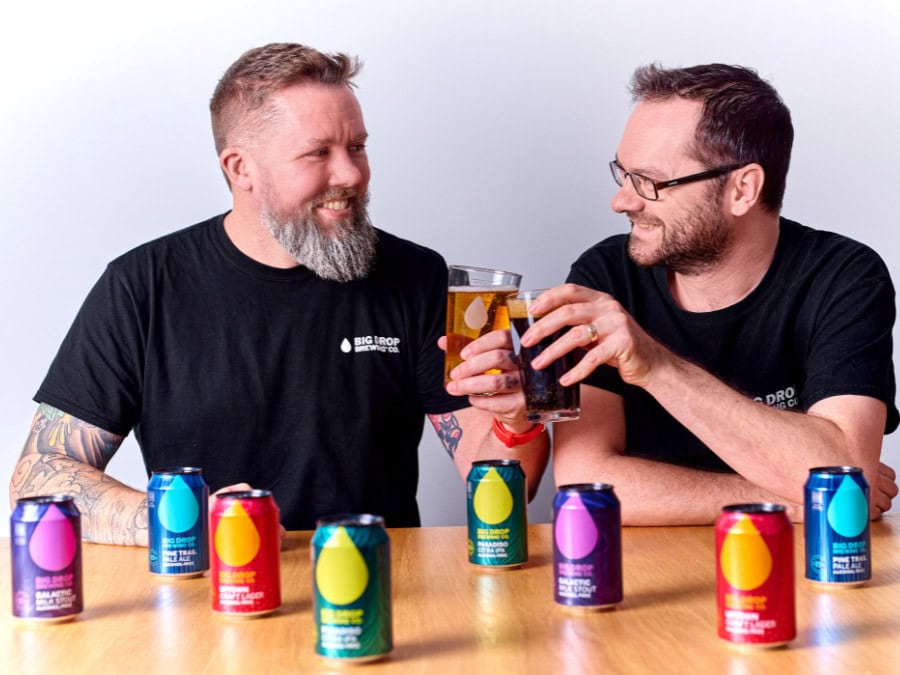
RF: I found law to be far more unfriendly than beer! I think they recognise there’s an ecosystem, and there’s a part for everyone in that.
GDI: Why isn’t the craft beer industry getting as involved in alcohol-free beer as the opportunity suggests they should?
RF: Some of them do, but a lot of them don’t. Many of them just don’t have the marketing budget to launch a non-alc beer into what is a really competitive market now. Times are tough for craft brewers at the moment, so it’s understandable when they double-down on what sells.
GDI: Are all of Big Drop’s consumers under 25?
RF: The general perception today is that it’s all young people who are teetotal. But, when we ran a survey through our mailing list recently, we found that the biggest age range was from 35 to 50 and the gender split was 50-50. We make craft beer – IPAs, pale ales, stouts. If you’re 19 years old and you’re teetotal, you’re more likely not to choose an IPA because you’ve never drunk an IPA. Our customers are people who like an IPA but want a day or two away from alcohol.
Around 80% of the people we surveyed said they still drink alcohol. The Australians call it a wedgie, when you have a non-alc drink in between alcoholic drinks. It’s about moderation, not abstinence.
In the Middle East, for example, there’s a market for non-alcoholic beer, but there’s no culture of drinking alcohol. Broadly speaking, they’re not looking for non-alcoholic versions of an alcoholic drink with which they’re already familiar. They just want a tasty beverage.
With the 18-to-25 teetotal thing, they’re not necessarily as interested in a no-alcohol beer that tastes like beer, because they don’t drink alcoholic beer – they just want flavour.
GDI: Does the consumer understand what it entails to produce an alcohol-free beer?
RF: Nobody really cares about how alcohol-free beer is produced. There’s been so much talk about the alcohol-free threshold, but consumers don’t care – they just want certainty that it won’t impact their blood-alcohol levels and that it tastes good.
In full-alcohol spirits, though, a distiller will talk proudly about things like where their water comes from, where the botanicals come from and how their process is different to other distillers. That contrasts sharply with how secretive non-alcoholic spirits producers are about how they make their product. It’s not that the consumer cares about that, but the provenance story does matter – it’s another hook to hang your hat on when you’re telling your story. Being so protective about it is not necessarily a good thing.
GDI: What’s your exit strategy?
RF: Right now, the licence model works for us. There are brands that have gone bust because they ran out of investment money. We still need to spend money to grow the brand, but we’re not desperate to sell or merge.
Ours is a far more sustainable business model than a lot of other people doing the same thing.
This article is available to Global Drinks Intel members only.
Click below for details on how to join the Global Drinks Intel community.
Already a member?
Log in here to read the article in full.
If you work for any of the following corporate subscribers to Global Drinks Intel, head here to activate your access.
- AB InBev
- Bacardi
- Campari Group
- Diageo
- Moët Hennessy
- Pernod Ricard
- Proximo Spirits
- Suntory Global Spirits
- William Grant & Sons