

Fresh and functional botanicals are increasingly being used to bring drinks brands and categories to new audiences, reports Amy Hopkins
As demand grows for clean, natural flavours in drinks, the use of botanicals and extracts has expanded beyond gin to the likes of vodka, rum, aperitifs, beer, wine and even whisky. In particular, millennial drinkers are drawn to these ingredients due to their intrinsic link with health and wellness, as well as their provenance credentials. As such, botanicals have proven to be a useful recruitment tool to bring consumers into new spaces. Categories such as vermouth, which have always contained botanicals though have not always championed them, now have an advantage. “We are seeing craft gin drinkers follow their favourite botanicals into new categories,” explains Steve Drawbell, founder of Azaline Vermouth. “This is bringing new consumers into the vermouth category, which shares many botanicals with gin. Vermouth has been out of fashion for too long, but now finds itself at the head of the new trend in botanicals.”

Azaline uses botanicals that chart a geographic journey along the ancient Silk Road, including saffron from Persia and cardamom from India. “The provenance of the botanicals links directly to the authenticity of the product,” adds Drawbell. “Consumers care increasingly about the ingredients in their food and drink — where it comes from, how it’s made, and the impact on the environment.”
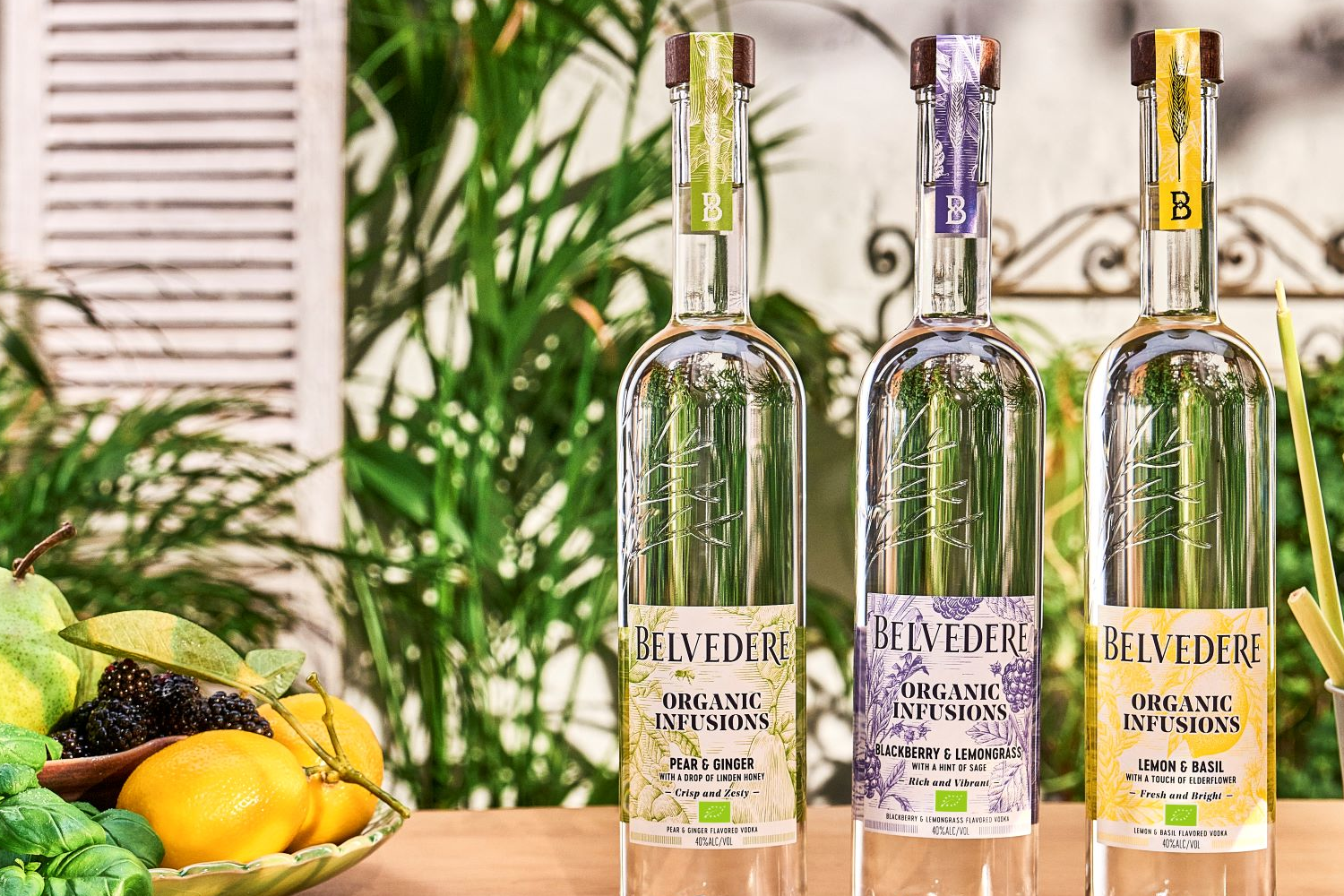
Another brand that is innovating in line with new consumer priorities is Polish vodka brand Belvedere. In May, the Möet Hennessy-owned label launched its Organic Infusions line of flavoured vodkas, made exclusively using organic fruit and botanicals, as well as organic rye for its spirit. Designed to be mixed with soda, the three-strong range comprises: blackberry, lemongrass and sage; lemon, basil and elderflower; and pear, ginger and honey flavour combinations.
Announcing the launch, Belvedere president and CEO Rodney Williams said: “To add organic vodkas to our portfolio affirms Belvedere’s commitment to category innovation and consumers’ heightened interest in refined product flavour profiles in vodka. It’s a sign of the times. Palates have evolved, as have the tastes of consumers who have increasingly embraced organic products.” In stark contrast to the artificial, saccharine vodkas that dominated the spirits scene last decade, a new class of naturally flavoured vodkas has emerged. A number of brands now embrace category blur by using botanicals in their recipes. Diageo was an early mover in this space with Ketel One Botanical, launched in 2018, followed by a wave of other botanical spirits.
Modernisation through natural flavours with provenance
Another category capitalising on the allure of botanicals is rum, with BrewDog’s Five Hundred Cuts Botanical Rum and Spirited Union Distillery’s range of botanical rums hitting the market in the past couple of years. In late 2020, two former Chivas Brothers executives — Laurent Lacassagne and Patrick Venning — unveiled Market Row Botanical Rum, made using botanicals and spices inspired by Brixton Market in London.
Similar to vodka, the spiced rum category has sought modernisation through natural, instead of artificial, flavours that display provenance and tell the story of a brand. At Spirited Union Distillery, based in Amsterdam, the team uses botanicals in ways that enhance the flavours of its single-origin rums. “Rum as a category has a wide range of flavour profiles,” explains founder Ruben Maduro. “We analyse and break down their tastes and look for botanicals that will only enhance some of the more subtle and hidden flavours.”
Spirited Union now has a range of six botanical rums that target “flavour curious consumers”, says Maduro. “By appealing to the non-traditional rum drinker we’re trying to recruit gin-and-tonic drinkers to the category.”
At Campari Group, The Forager Botanical Whisky was envisioned “as an enhancement of a traditional G&T”, according to David Allard, vice-president of marketing at Campari Canada. “The Forager is a more accessible whisky that blurs the category benefits of gin and whisky, allowing us to reach consumers who might not be whisky drinkers,” he says.
Launched last year by Campari’s Forty Creek Distillery, The Forager is made by steeping four-year-old Canadian whisky with wild botanicals including juniper, mugwort, spruce tips, labrador tea and sweet fern. The result is a “fresh, lighter style of whisky”, says Allard. He adds that when it comes to botanicals: “The infusion possibilities are endless, so we would not be surprised to see more brands playing in this space. We also know that many consumers are seeking out lighter, fresher drink choices and quality crafted taste experiences, so the consumer want is there.”

The botanical flavour trend also extends beyond spirits to other beverage categories, including wine, RTDs, soft drinks and beer. Frederik Kampman, chief botanical officer of Lowlander Beer, says of his brand: “Botanicals are the starting point. They are the first thing we focus on, and how we decide what we want to create. Botanicals play the leading role in all of our drinks.” Lowlander’s catalogue of brews spans the gamut of botanical flavours, from bitter and floral, to spicy and tropical. The range consists of expressions bottled at an ABV of 4% — which is average for beer — to those with an ABV of 6% as well as 0% ABV beers. “The thing that’s most exciting about botanicals, especially with lower- ABV drinks, is that you can use them to carry the flavour of the drink, whereas previously you may have had to carry the flavour from alcohol itself,” says Kampman.
Brands zero in on the wellness and mindful drinking trends Kampman adds that botanicals fit perfectly with the current consumer zeitgeist since they “offer the perception, as well as the reality, of added wellness” and deliver on flavour as well as providing health benefits.
“Our products appeal most directly to people who are making conscious choices not only in food and drink, but also those who are trying to be more mindful in all aspects of their lives,” he says.
This idea of functionality in drinks has become all the more pertinent in recent years. Botanicals have long been lauded for their health benefits, and today’s drinkers are increasingly drawn to products that suit their mindful lifestyles. However, many of these consumers do not want to forsake what they see as the positive effects of alcohol — namely, the potential for these drinks to alter moods, relax the mind, and enhance social occasions. This is where Three Spirit Drinks spied a gap in the market.
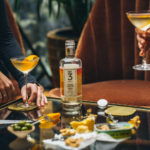
Launched in 2018 by a team of drinks and bar experts with input from botanists, the 0% ABV brand aims to replicate the stimulating effect of alcohol using a range of functional plants. The inaugural expression, called The Social Elixir, contains extracts such as caraway seed, damiana leaf and lion’s mane mushroom, and has been designed to provide imbibers with a ‘floaty feeling’. Meanwhile, The Livener provides ‘energy’ using a different set of plants, and The Nightcap is suited to ‘chill-out’ occasions.
“Our mission is pure pleasure innovation, using efficacious amounts of functional plants that can work synergistically with each other to enhance the drinker’s experience,” says co-founder Dash Lilley. “We focus on maximising the functional potency of our drinks, carefully extracting the active compounds from the highest-grade, ethically sourced plants we can get our hands on.”
Three Spirit says it applies modern techniques to traditional ingredients using a host of complex processes, including maceration, fermentation, distillation, reverse osmosis, freeze drying and ultrasonic extraction.
Lilley says the range primarily appeals to those who want to cut back on alcohol without sacrificing the “social aspect and drinking rituals”, as well as so-called ‘biohackers’, herbalists and “types who are open to new trends and new ways of socialising”.
Ultimately, the use of botanicals and natural extracts in drinks not only aligns with prevalent consumer trends, it also allows brands to play in new occasions and appeal to new demographics. Now, the trend is expanding beyond flavours to incorporate functionality — a direction that looks set to continue in the future.