

Social
AB InBev’s Grupo Modelo Foundation in Mexico held a conference in Mexico City to brief the city’s traffic police on raising awareness of drink-driving in time for the FIFA World Cup, which concluded yesterday (19 July). Partnering with Mexico City’s public safety agency SSC, the foundation presented its ‘The best decision is also celebrated. If you drink, don’t drive’ campaign to 324 officers from the city’s ‘Drive Sober’ breath-testing programme. The activity ran across the city throughout the World Cup, and the SSC coordinated with the Grupo Modelo Foundation to provide additional training for traffic police’s interactions with visiting football fans.
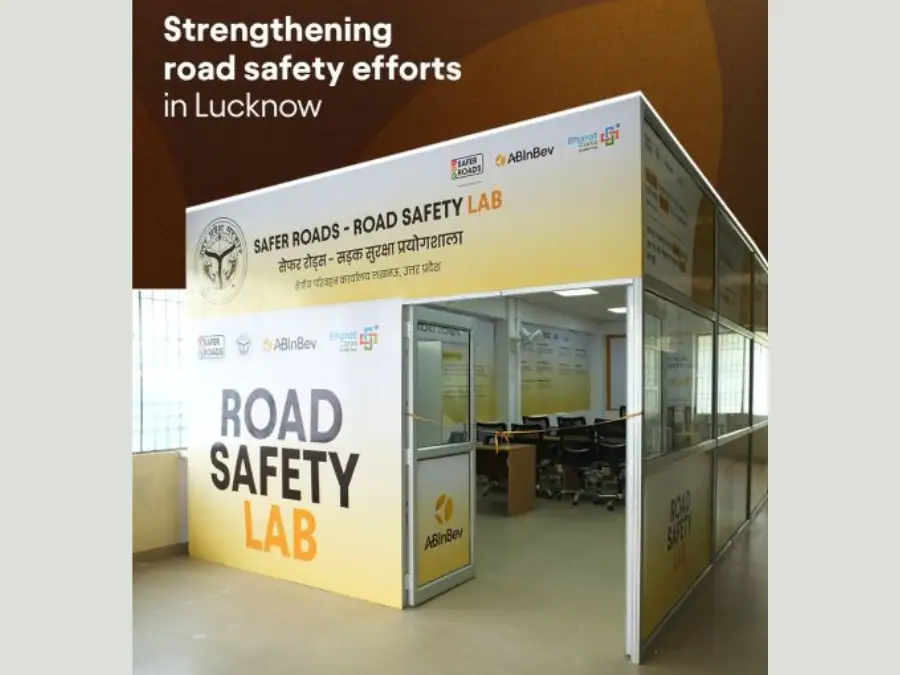
In India, meanwhile, AB InBev‘s unit in the country inaugurated its seventh ‘Road Safety Lab’ in Lucknow, Uttar Pradesh. The facility (below), hosted at the Lucknow Regional Transport Office, forms part of the brewer’s global ‘Safer Roads’ initiative and promotes responsible driving with immersive, technology-enabled education tools. The ‘lab’ aims to reach around 15,000 people every year, with a focus on key road safety challenges including drink-driving and speeding.
In Czech, Asahi’s Plzeňský Prazdroj brewer launched an awareness campaign to promote responsible social connection. The social media activation reframes the classic Czech slogan ‘jít na jedno‘ (‘go for one’) as a call to meet up with friends without drinking alcohol excessively. Plzeňský Prazdroj partnered with skateboarding influencer Patrik Buday for the campaign, which will also be visiting summer music festivals with pop-up breathalyser tents.
Heineken collaborated with Drinkaware in the UK on a walking netball tournament, as part of the latter’s ‘Step Into Health’ programme, which uses walking sport as a means of encouraging people to move more, improve their wellbeing and learn more about alcohol and moderation in an accessible and engaging way. Working with local sports organisations, Heineken said the project shows how the power of partnership can help communities connect, while making conversations about drinking habits more accessible and engaging.
Elsewhere, Heineken’s Namibia Breweries division launched a NAD200,000 (US$12,000) drink-driving assessment and enforcement campaign in Namibia. The unit pulled the project together in partnership with the Namibian Road Safety Forum and the Namibian Police, which will establish nine traffic checkpoints around the country. Police officers will breath-test motorists and inspect drivers and vehicles for compliance with traffic regulations. According to Namibia Breweries, the data collected during the six-month campaign will improve stakeholders’ understanding of the prevalence of drink-driving and inform the use of evidence-based traffic interventions.
In Vietnam, Pernod Ricard launched the latest instalment of its global ‘Drink More Water’ campaign in Ho Chi Minh City. The brand owner’s flagship moderate-drinking platform has reached hundreds of millions of people across more than 60 markets and encourages consumers to alternate alcohol beverages with water, for a more balanced and responsible drinking experience. In Vietnam, the campaign will include activations and interactive experiences at bars, restaurants and entertainment venues and will also introduce the new SplitDrinks initiative for the first time. The SplitDrinks concept is based around a split cocktail glass, one side for the cocktail and the other to hold water, highlighting the importance of pacing oneself and staying hydrated.
Environment
Carlsberg has announced its plan to increase once again the share of regenerative raw materials used in its brewing operations in Denmark next year, continuing to build towards a target of using 50% regeneratively grown grain by 2032. Last year was the first time that Carlsberg Denmark used regenerative crops, and the division is increasing its procurement from 15,000 to 18,400 tonnes this year. The brewer’s unit in its home market is also purchasing regeneratively grown wheat for the first time, procuring 1,000 tonnes to cover its entire wheat usage for next year.
Along with Asahi, Diageo and Suntory, Carlsberg is among around 40 major food and beverage manufacturers that are supporting SAI Platform’s ‘Regenerating Together’ programme. The initiative was launched in late June, and will create greater alignment on regenerative farming practices across the global food and agriculture sector, with a practical framework that has been developed with input from farmers, agronomists, NGOs and academics. “With more than 40 leading companies across the food and beverage sector having committed to the programme, Regenerating Together represents perhaps the largest coordinated effort to align regenerative agriculture approaches globally,” Carlsberg said.
In the UK, Moët Hennessy’s Glenmorangie has been recognised by the UK Green Business Awards for its marine life restoration project, which was launched in 2014. The scotch whisky distillery partnered with the Marine Conservation Society and Heriot-Watt University on the ongoing Dornoch Environmental Enhancement Project, which has been restoring a once-extinct oyster reef in Scotland’s Dornoch Firth for the last decade. Glenmorangie plans to restore 200,000 oysters by the end of 2026, having already reached 120,000 by the end of 2024.
Suntory attended the 2026 Global Nature Positive Summit in Kumamoto in Japan, meeting with leaders across sectors to discuss turning environmental ambition into meaningful and measurable action. Representatives for the group sat on the panel ‘The Business and Social Case for Nature Positive’ to discuss Suntory’s long-standing commitment to environmental stewardship and sustainable growth. Senior representatives also shared practical examples of the company’s water stewardship initiatives and partnerships at sessions throughout the summit.
Suntory also commenced a new wetland restoration initiative in Kumamoto, signing an agreement with a local organisation to restore 3,000 square metres of abandoned rice paddies. The area is adjacent to Suntory’s Natural Water Sanctuary Aso, which was founded in 2003 to conserve biodiversity around the group’s Kyushu Kumamoto facility. The project will convert the area into wetlands, contributing to both water replenishment and biodiversity conservation by creating habitats where amphibians, aquatic insects and other native wildlife can thrive.
Governance
Staying in Japan, and Kirin announced an earthquake recovery support project, again in Kumamoto, in collaboration with the Japan Football Association. The ‘JFA-Kirin Big Smile Field’ event will be held in October at the Kumamoto Castle Ninomaru Plaza, a symbol of recovery from the city’s 2016 earthquake. Leading national footballers will join people of all ages at the walking football event, which has been designed to boost community spirit and showcase the region’s progress since 2016. Kirin and the JFA have been collaborating on ‘Smile Field’ community revitalisation events since the Great East Japan Earthquake of 2011.