Just as last year approached its conclusion, California-based Trinchero Family Wine & Spirits hit the headlines, agreeing to buy the Mumm Napa business from Pernod Ricard. Last month, Global Drinks Intel editor Olly Wehring sat down with the company’s COO, Corey Beck, to get an understanding of the rationale behind adding the sparkling wine producer to the company’s portfolio, as well as its strategy in these colourful times for wine – and the US.
What’s your background prior to joining Trinchero Family Wine & Spirits?
I grew up in Napa Valley; my grandfather was the vineyard manager at Chateau Montelena and planted the vineyard there. He sourced the chardonnay for the 1973 vintage that won The Judgment of Paris in 1976!
I studied winemaking at UC Davis (in California) and joined Francis Ford Coppola Winery in the late ‘90s – I was with him for 27 years and eventually worked my way up to become CEO. In 2021, he sold the company to Delicato and I stayed on to run the production. Then, in May 2024, I started here at Trinchero in my current role.
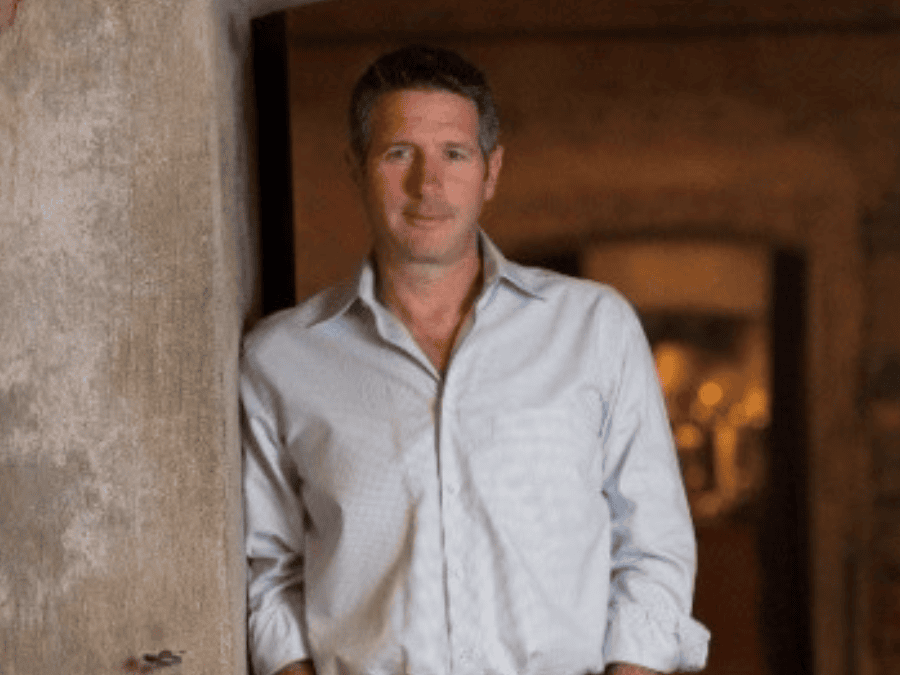
What sits in your remit as COO?
I’m in charge of the export side, the finance side and all of Trinchero’s operations. We have seven wineries throughout California.
What’s the history of Trinchero Family Wine & Spirits?
The company is just over 75 years old. The family started with a small winery in Napa Valley and created a white zinfandel by mistake in the wine cellar. That was the start of the Sutter Home brand.
Back in 1992, they bought a de-alcoholisation unit and started making alcohol-free wine. We have a brand called Fre, which is the largest non-alc wine brand in the US, selling over 400,000 cases. We also have the Ménage à Trois brand that’s been very successful in the red blend category, while in the mid-tier, we’re a partner with Joel Gott for his namesake brand.
Then, at the end of last year, we purchased Mumm Napa. A lot of the stuff that we’ve created has been innovation in-house, so this is one of the first ones where we’ve made a purchase.
What’s the size and scale of Trinchero?
In wine, we’re in the top four in the US. For the company as a whole, 95% of sales are domestic, with 5% exported.

What prompted the Mumm Napa acquisition from Pernod Ricard last year?
We saw this as something that’s going to work really well for both parties: Pernod Ricard wanted to sell and we were looking. Mumm Napa sits in a category (sparkling) that’s been a white space for us – we import a prosecco, but we didn’t have a traditional method. Also, it’s only three miles down the road from us!
They’re one of the top five in terms of visitors in Napa Valley – They see about 60,000 people a year at their facility. Our direct-to-consumer isn’t as robust as theirs. We can also see an advantage in plugging their wines into our sales team. So, the synergies are incredible.
More than anything, there were symbolic reasons for making this purchase. The industry’s facing a lot of headwinds; wineries are selling, and vines are being pulled out. It’s important to show our partners – from our wholesalers to our employees and our customers – that we’re in it for the long haul.
How will Mumm Napa, which previously had a very public-facing owner, sit within a far more ‘private’, family-owned company?
Mumm Napa worked quite separately from Mumm in France. They had a GM in Napa, who had all of the key direct reports. So, the broader Mumm business just let them do what they needed to do, with very little influence.
We’ve taken on all 73 employees, some of whom I worked with at Coppola and some others of whom have relatives already working at Trinchero. There’s a lot of built-in synergies, if you will.
Based on the high appetite for tariffs on imports into the US, what influence did the current political climate have on the decision to acquire Mumm Napa?
The political environment had no bearing on this. We look at these decisions for the long term. Administrations change and so do things like tariffs.
On the flip side, Mumm was selling around 30,000 cases a year in Canada – losing that hurt, but it’ll come back. Then, when our administration said it wouldn’t rule out military force (referring to Greenland), the very next day, our shipment of two containers that were supposed to leave for Denmark – which is a good market for us – got cancelled.
In the short term, these are the things that we’re battling. It doesn’t matter what side you’re on, these things are out of our hands.
Members-only intel
Keep reading this members-only article – and every one like it
- ✓All paywalled news and interviews
- ✓Category and market data
- ✓Monthly GDI magazine
- ✓Full archive + daily newsletter
Secure checkout · Cancel any time · Company invoices available
Already a member? Log in
See all plans, incl. 10-reader and corporate
Check if your company already pays for you Your company may already give you free access.
Corporate subscribers: AB InBev, Bacardi, Campari Group, Diageo, Moët Hennessy, Pernod Ricard, Proximo Spirits, Suntory Spirits Group, William Grant and Sons.
Activate company accessNot ready yet? Get the headlines free in our daily newsletter.
Sign up free