Since changing its corporate name from Molson Coors Brewing Co to Beverage Co in January 2020, the group has grown its no- & low-alcohol portfolio substantially. According to the VP of non-alc beverages, Kevin Nitz (below), Molson Coors’ strategy looks to ‘consider consumers and occasions equally’.
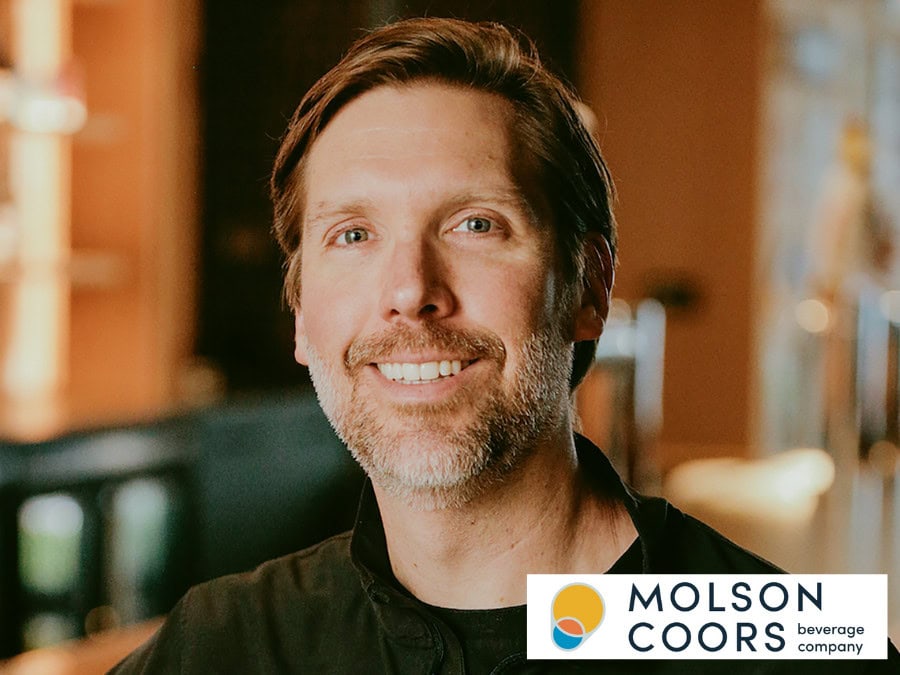
While the last few years have seen a steady decline in sales for the beer industry – and overall beverage alcohol – the category has a history of bouncing back. What motivated Molson Coors to pivot to growing its non-alcoholic portfolio with a particular focus on mixers and mocktails for the long term?
Our push into non-alc began more than five years ago when we changed our name. We made that move because we want consumers to have lots of options to choose from in our portfolio, no matter the occasion. Beer remains at the core of what we do and who we are, and we’re fortunate to have some of the industry’s most iconic brands – from Coors Light and Miller Lite to Blue Moon Belgian White and Peroni.
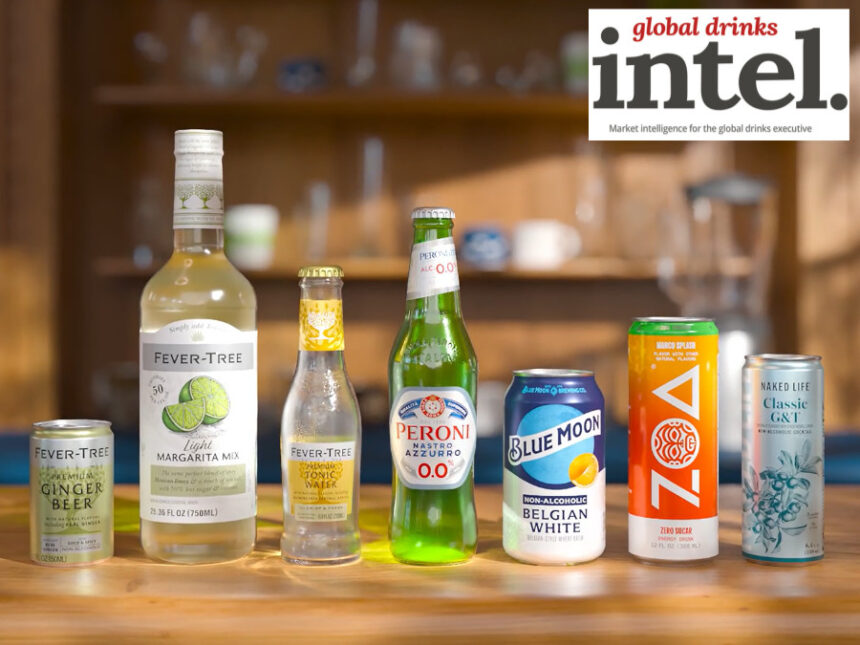
When it comes to non-alc, we’re focused on three big areas that help us reach many more consumers while expanding into new occasions for our business. Those three areas are: alcohol replacement, with non-alc beers like Blue Moon NA (below) and Peroni 0.0, as well as Naked Life Non-Alc Cocktails; adjacent products, such as Fever-Tree; and pure-play non-alc, such as ZOA Energy, our brand with Dwayne ‘The Rock’ Johnson.
Having a strategy that considers consumers and occasions equally has really allowed us to build our non-alc portfolio in a thoughtful way over the last few years, and now we have a strong foundation to build upon.
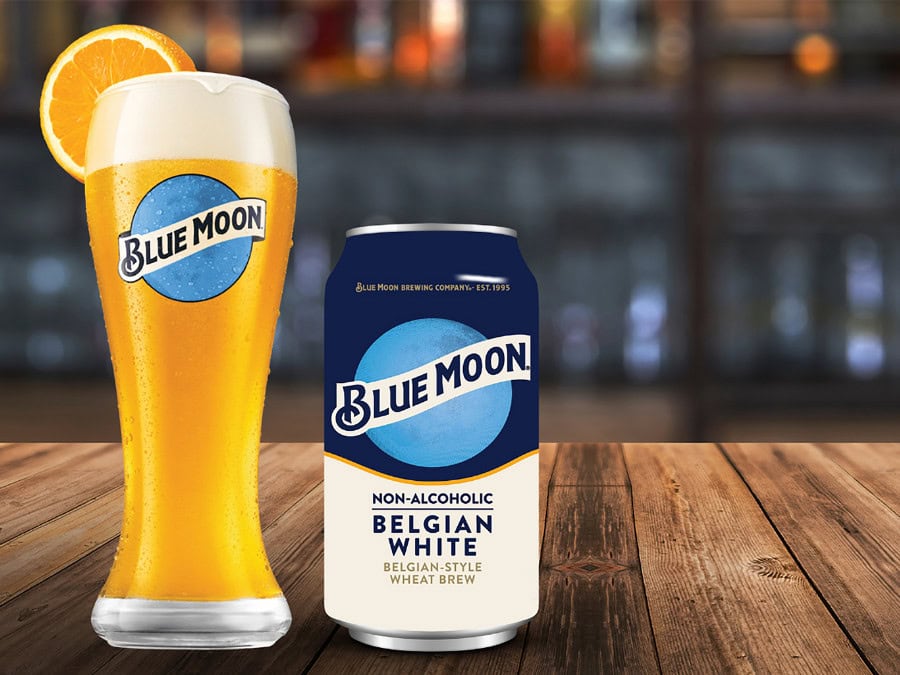
There are multiple factors contributing to the rise of the no/low movement, from sober curious and health & wellness to financial strains. Which of these has had the biggest impact?
It’s ultimately a personal decision, and the reasons can vary greatly, which is why we’re committed to providing options that help people celebrate and connect with or without a beer. For those who want to moderate their drinking, we have low- & no-alcohol products that can be a ready replacement — something like our US NA beer brands [Peroni 0.0 or Blue Moon Non-Alc] or Naked Life, Australia’s top-selling NA cocktail brand, which we brought to the US this year.
We also want to appeal to people in moments that aren’t typical alcohol occasions, and that’s where a better-for-you energy drink like ZOA, which is packed with electrolytes, can show up. Or Fever-Tree, which is unique in that it can function in an alcohol occasion – mixed for a premium cocktail experience – or enjoyed on its own.
Molson Coors has seen success with its investments in the NA category, while others haven’t done so well. What do you attribute this to?
Our investment in the NA space has been a sustained effort to transform the company, and it’s something we’re committed to. Beer will always be in our DNA – that’s a very important point here – but reaching more people for more occasions is the mission.
We’ve invested in our brands at a local level to really connect with consumers on their home turf. Take ZOA, for example. We’ve invested heavily behind a year-long national sampling programme that began in January (2025) and resulted in getting more than 750,000 cans in people’s hands.
We’ve also continued to build a roster of brands that we think have real growth potential and plenty of runway left for expansion. We’re also continuing to look for opportunities that fill white spaces for us.
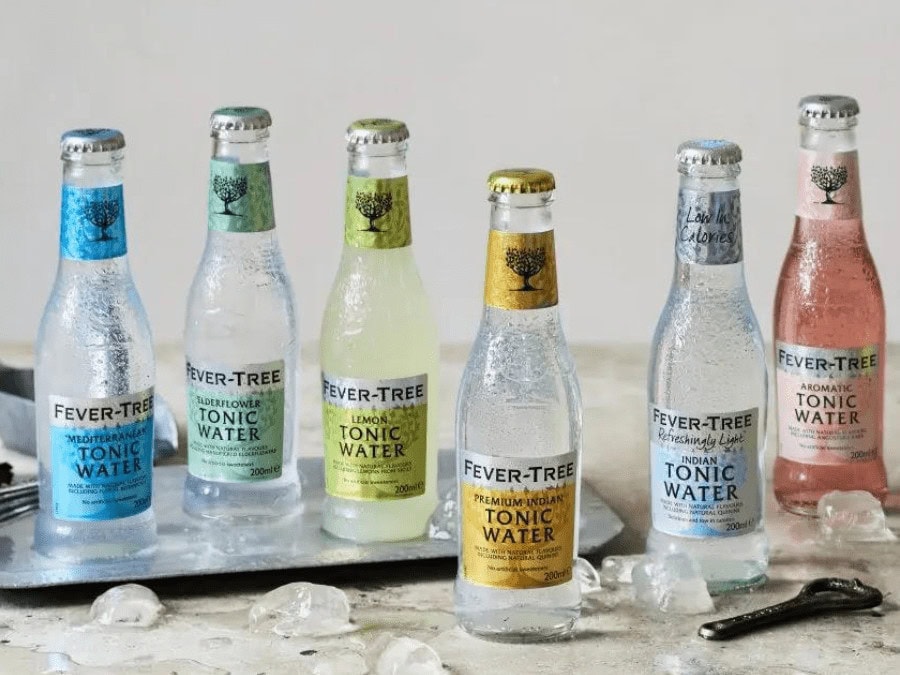
Can you elaborate on some of the initiatives that you’ve been executing with Fever-Tree (above) in the US since buying an 8.5% stake in January 2025?
We have a solid foundation with Fever-Tree. It’s already the top-selling premium mixer brand in the US. Even so, we see a ton of room for growth. There are thousands of stores, bars and restaurants that sell our beer, but not Fever-Tree. That’s a lot of opportunity.
We’re investing in both sales and marketing to get the word out about what a fantastic product Fever-Tree is and to make it the ‘go-to mixer’. A national campaign is rolling out with a simple yet powerful concept: ‘When a majority of your drink is the mixer, you should mix with the best.’ There will also be some high-profile partnerships and sponsorships. More to come there.
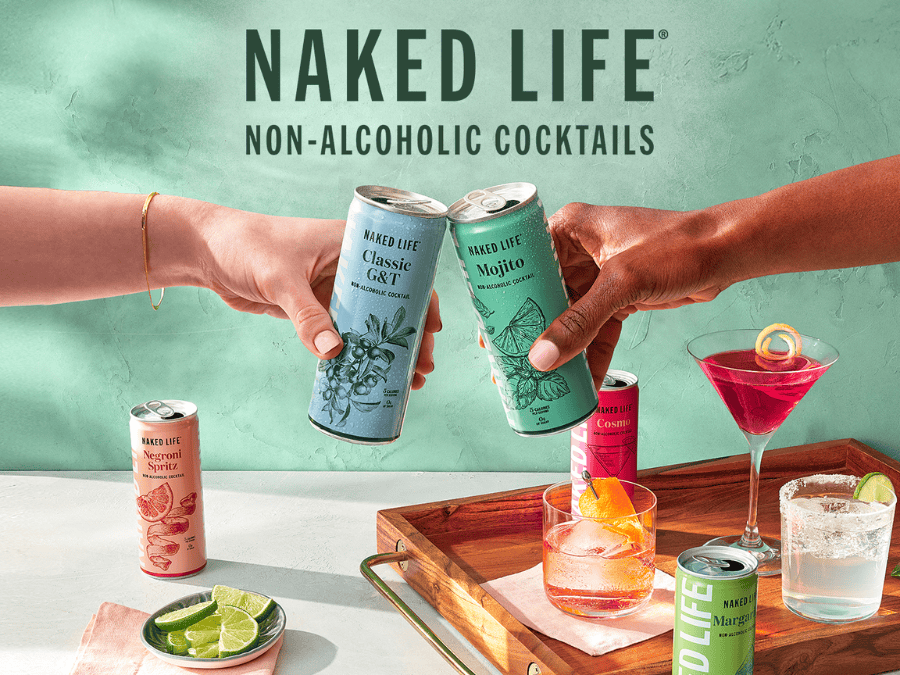
The company rolled out non-alc RTD brand Naked Life (above) in the US in May. How is this strategy progressing?
Naked Life is the first non-alcoholic RTD brand in the Molson Coors total beverage portfolio, so we’re very excited about the potential of the brand. We have a great-tasting liquid that can be enjoyed during all occasions, whether it’s a tailgate, summer barbecue, or during Sober October or Dry January. Naked Life is designed to fit into modern lifestyles with true-to-cocktail taste, just five calories, zero sugar and a premium experience.
We’re halfway through Dry January and before we know it, we’ll be back in Sober October. Does Molson Coors undertake specific strategies focused on these ‘dry’ months?
One interesting thing about the growth of non-alc is that it’s no longer just for niche occasions. Dry January drove a lot of the NA conversation for several years, and then it was joined by Sober October. That’s when a lot of people, both media and consumers, tended to turn their attention to NA products such as NA beer brands or NA canned cocktails.
At this point, we see our NA brands as compelling propositions year-round. We don’t confine our sales and marketing efforts to any particular time on the calendar. That’s something that’s changed in the last couple of years, and certainly reflects our mission of becoming a ‘total beverage company’. That said, during key times of the year, such as Dry January and Sober October, we’re going to make sure our brands are at the forefront.
Which demographics show the most interest in NA options?
The exciting thing about non-alc – and specifically what we’re building at Molson Coors – is that the audience crosses all demographics. The audiences for Fever-Tree and ZOA, for instance, might not be quite the same, but the goal is to have compelling offerings for everyone and anyone in the NA space. That can be an energy drink, a mixer, a non-alc beer, or beyond.
Social media has been integral in generating buzz around no/low. How does this fit into your overall strategy of reaching consumers?
It’s an essential part of our strategy across all brands, including our NA portfolio. That includes tapping tastemakers and mixologists to showcase how Fever-Tree is the better mixer for your favourite cocktail, for example, and creating social content around how ZOA is the perfect better-for-you energy option.
We’re committed to reaching consumers both in the real world and online, and social media is a crucial part of how we do that.
Where does non-alc beer sit in Molson Coors’ plans?
Beer is central to what we are and what we do, and that’s not changing. NA beer dovetails perfectly with both our legacy and our future, offering a high-quality alternative to our products that have alcohol.
Both Blue Moon NA and Peroni 0.0 offer premium beer-drinking experiences without the alcohol, and with no drop-off in terms of flavour.
Between on- and off-premise, where is there more growth and potential?
The reality is that both are huge opportunities for our NA portfolio. The focus for on- versus off-premise depends on the brand. As a functional better-for-you energy drink, ZOA, for instance, is obviously largely an off-premise play. The distinction there is that for an energy drink, we see it not necessarily as something for the gym, but for all sorts of occasions.
Something like Fever-Tree, though, we believe has a ton of runway in both the on- and off-premise. Mixers have just as much importance in the home fridge as in the bar/restaurant fridge. That’s one reason why we’re so optimistic about being able to grow that brand, even as strong as it already is.
Naked Life is another great opportunity – it started in the off-premise, but the on-premise provides a lot of opportunity as people look for alcohol replacements at their favourite bars, restaurants, venues and so on. Ultimately, our job is to build all our NA brands the best we can in both channels.
How big do you anticipate the overall NA segment will get? Is there one subset where you envision the most opportunity?
For more than five years, we’ve been building a broad and compelling portfolio of products that include beer and beyond-beer offerings – including NA.
The goal isn’t to drill into one part of the NA space, but to show up in a variety of ways that meet consumers where they are. That includes the spaces where we currently have brands, but also segments where we don’t, but would like to be involved.
We’re always looking at opportunities to continue building out our NA portfolio.