

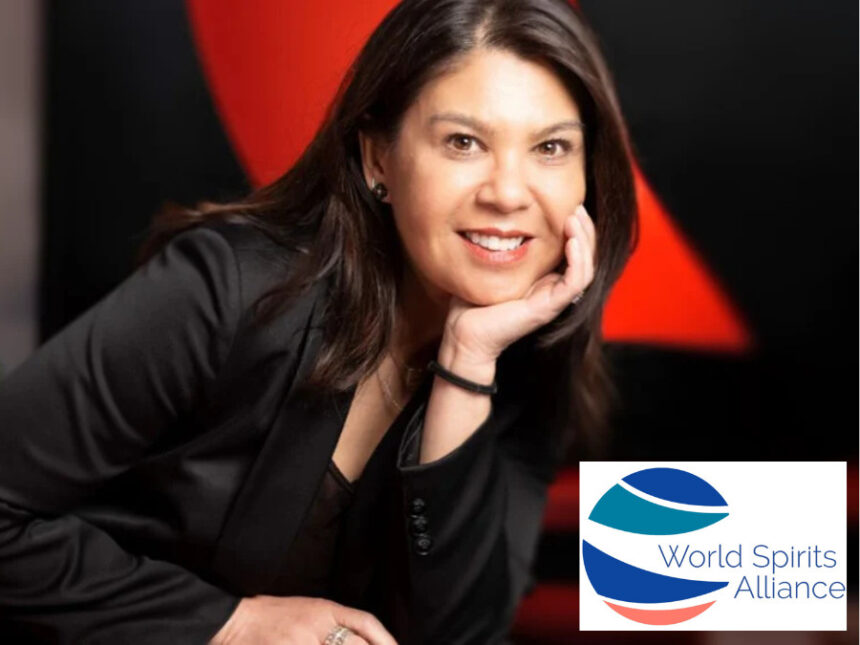
By Helen Medina, CEO of the World Spirits Alliance
The start of a new year naturally leads us to review and assess various personal practices and habits. With the familiar surge of motivation that 1 January brings, I’ve already compiled my list of goals for 2026: read more books, improve my French and make sure to exercise more.
However, the way I approach these resolutions, like so many others, has fundamentally changed. We no longer rely on vague intentions or willpower alone. We now live in the age of the ‘quantified self’, bolstered by our ever-growing reliance on technology.
Personally, I use MyFitnessPal to keep track of my diet, Duolingo to help me improve my French and the Peloton app to manage my fitness routines. It is a natural evolution that this data-driven mindset is finally and helpfully extending to the way adults approach alcohol. Just as we use data to improve our fitness, millions of adults are now reaching for their phone to understand their drinking habits better.
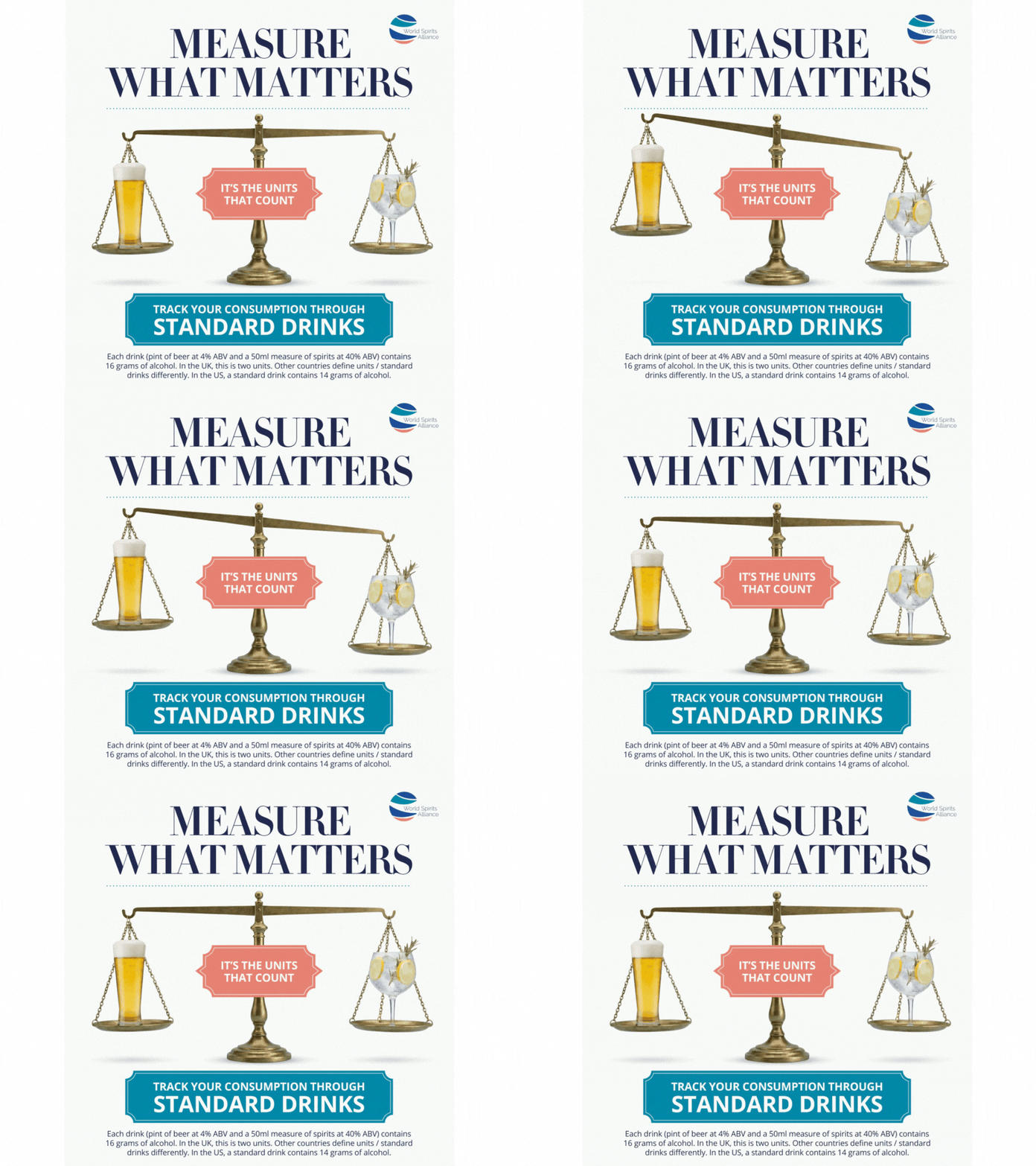
These tools that help people track their alcohol consumption do not replace professional medical advice, but they do support a vital point that the World Spirits Alliance is advocating for: measuring what matters. When it comes to alcohol, standard drinks (or units) not pints and pours, are the best way to track, and manage consumption.
Whether a standard drink is defined as 14 grams of pure alcohol (as in the US) or 8 grams (as in the UK), the function of the metric is the same: it provides clarity that empowers individuals to make informed choices, whether they prefer spirits, wine or beer.
Less volume, more value
This shift toward ‘quantified drinking’ dovetails perfectly with a broader economic and cultural trend we are seeing across developed markets: the move toward ‘less volume, more value’.
OECD data shows average alcohol consumption across member countries fell between 2011 and 2021 and recent industry tracking points to another volume dip in 2024. Yet many drinks brands are driving growth and the hospitality industry endures. The direction of travel is not towards abstinence, but towards mindful, moderate consumption that fits with broader wellbeing goals.
More moderation is also being encouraged by lifestyle voices. Many influencers are reframing January not month of abstinence, but as a reset, viewing the rest of the year as a period of “mindful maintenance”. The data backs this up: IWSR reports that participation in month-long abstinence is dropping among Gen Z across major markets. The goal is no longer ‘all-or-nothing’ months but establishing routines that carry throughout the year. The message is simple: if you choose to drink, do so moderately and thoughtfully.
Supporting moderation
Producers are also investing heavily to meet this demand for information, control and transparency. You can see it in visitor experiences that teach how spirits are made, or in e-labels that put ingredients, nutrition and alcohol content behind a QR code.
Major companies are also funding practical moderation tools and education. For example, Diageo’s DRINKiQ platform offers unit calculators and guidance year-round, while Pernod Ricard’s Responsible Party brings harm reduction messages to campuses in partnership with the Erasmus Student Network. Trade associations are equally active: the Scotch Whisky Association’s ‘Made to be Measured’ responsible consumption campaign reached over 600,000 people in its first year by raising awareness about alcohol unit content in Scotland.
Furthermore, global producers working through the International Alliance for Responsible Drinking (IARD) are partnering with digital platforms to ensure strong age screening and influencer standards for all brand channels. This is all proof that the industry is committed to reducing harmful drinking and supporting moderate, enjoyable consumption in adult settings.
Measuring what matters
My key message for 2026 is simple: if you choose to drink, do so responsibly. If you run a bar, design for good decisions with measured pours and hospitality that offers a wide range of choices for consumers. And if you make policy, measure what matters: keep the playing field level so that all alcohol faces the same expectations on safeguards, marketing and tax.
If we each play our part, we can make the future of social drinking more informed, more intentional and more focused on quality and occasion.
And as for my resolutions? I’ve been practising my French, so I am ready to say: Meilleurs vœux pour 2026!