
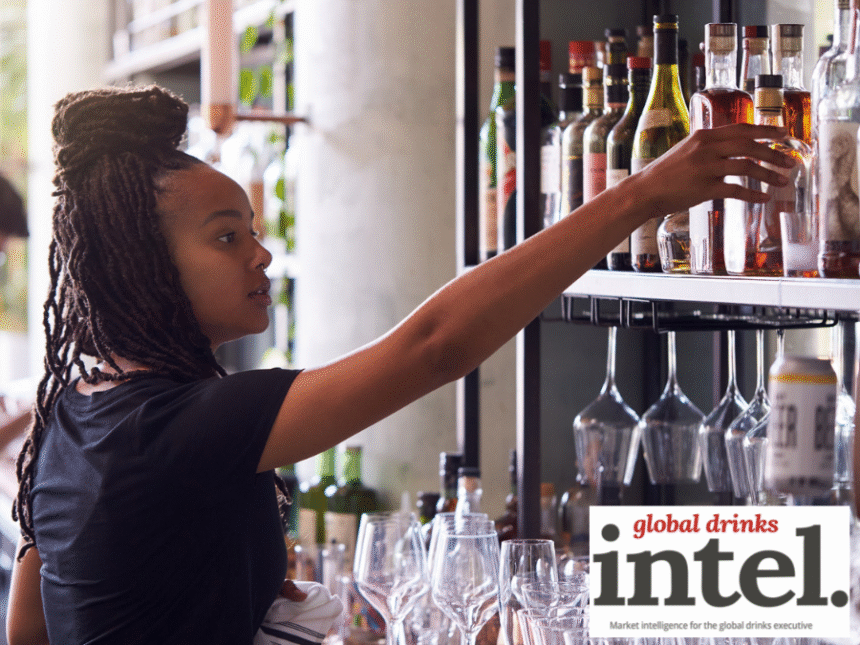
Spirits start-ups can’t outspend global giants in bars and restaurants – but, as Overproof’s Ed Dobbles (below) explains, smart research and bartender relationships can deliver an outsized on-premise impact.

Do your homework first
Overproof, a US sales execution and business intelligence platform, helps alcohol brands use AI and data to target the right accounts, optimise field operations and connect depletion data to performance. Chief analytics officer Ed Dobbles believes the on-premise remains the most powerful channel for challenger brands to build traction – if they approach it smartly.
On-premise success begins long before the first pitch. For Dobbles, account-level research is non-negotiable. “Start by doing your research,” he advises. “Before visiting an account, take time to review their cocktail menu online and log the details in a spreadsheet. Focus on the brands they feature, the types of cocktails they offer and whether they support local craft brands.”
This preparatory work allows founders to target outlets where they’re more likely to win. “If they already work with smaller producers, that’s a strong indication you could be a good fit,” Dobbles explains.
It’s just as important to know where to avoid. “Avoid competing in areas dominated by the big players,” he advises. “For example, if Diageo or Suntory Global Spirits products are already widespread on the menu, move on. Instead, focus on identifying gaps.”
Challenger brands don’t typically have the firepower to displace global incumbents. Success lies in finding openings where their pitch is distinctive.
Use trends to tailor your pitch
Generic product pitches rarely get brands onto drinks menus. Dobbles believes tailoring to market-specific trends is what cuts through. “Leverage menu data to spot cocktail trends in each market,” he says. “If the espresso martini is trending in NYC, craft a unique twist on it using your spirit and pitch that version.”
This kind of insight doesn’t just get products into venues – it also gets them onto menus, where they can make a real impact. “Getting your product on the menu, especially in a branded cocktail, is key,” Dobbles says. “It can drive five to ten times the volume compared with just selling the spirit by the bottle.”
Platforms like Overproof are built to give brands this visibility, connecting proprietary menu intelligence with depletion data to show what’s moving in real time. But start-ups without advanced tools can track trends manually.
The crucial point is that pitches should be data-led and aligned to what bartenders and consumers want right now.
Nurture your accounts
Placement is only half the battle. As Dobbles notes: “Once you land a placement, your work doesn’t stop there. Focus on sell-through by consistently visiting the venue, building relationships with the bar team and offering staff training.”
For start-ups without deep pockets, that means being creative with how they support accounts. Training sessions, small tastings and pairing activations can build advocacy without draining resources.
“If your budget allows, consider simple gestures like bringing in food,” Dobbles suggests. “It creates goodwill and keeps the team engaged.”
The people pouring the drinks are also the people selling the brand story. “Bartenders are your frontline. If they believe in your product, they’ll recommend it. If they don’t, it won’t move.”
In this way, staff engagement is often more valuable than consumer-facing marketing.
Respect venues’ time and culture
The final lesson is one of discipline. Overwhelmed staff don’t respond well to pushy founders. Dobbles advises: “Respect buyers’ time. Avoid pitching during peak hours when the bar team is busy. Visit during slower periods when they can engage more freely.”
These small points of etiquette make the difference between being remembered as a partner and being dismissed as a nuisance, he adds. Building a culture of respect also means tailoring activations to the occasion. A thoughtful, relevant idea – such as a cocktail paired with a seasonal menu – will resonate more than a flashy but ill-suited campaign.
Ultimately, trust is what keeps a brand on the menu once it gets there. “These small, thoughtful gestures will go a long way in building trust and long-term relationships,” says Dobbles.
And in a crowded drinks landscape, that trust can be the differentiator that keeps a challenger brand in the glass – and on the backbar.