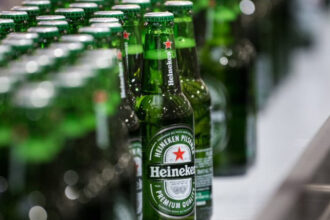
The traditional 75cl glass bottle has been the go-to receptacle for beverage alcohol producers for centuries. Amid growing environmental concerns and a tightening regulatory landscape, however, this time-honoured packaging format is being re-evaluated.
Across the globe, brand owners are under mounting pressure to reduce waste, lower emissions and rethink the materials used to bring their products to market.
Government policies are accelerating the pace of change. The UK’s Extended Producer Responsibility (EPR) scheme, which is currently being phased in, shifts the cost of dealing with packaging waste to the producers themselves. Elsewhere, updates to the Packaging & Packaging Waste Directive in the EU and legislation in US states like California and Oregon, are also pushing brands to adopt lighter, more recyclable and less carbon-intensive packaging.
Along with consumer pressure, this regulatory shift is catalysing a wave of packaging innovation across the drinks industry – from self-chilling cans to lightweight glass and paper-based alternatives. Companies that once relied on the weight, tradition and presence of glass are now embracing agility, portability and sustainability.
The rise of aluminium bottles
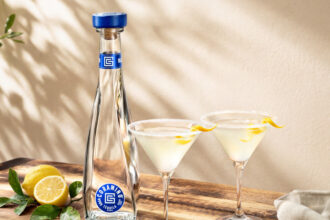
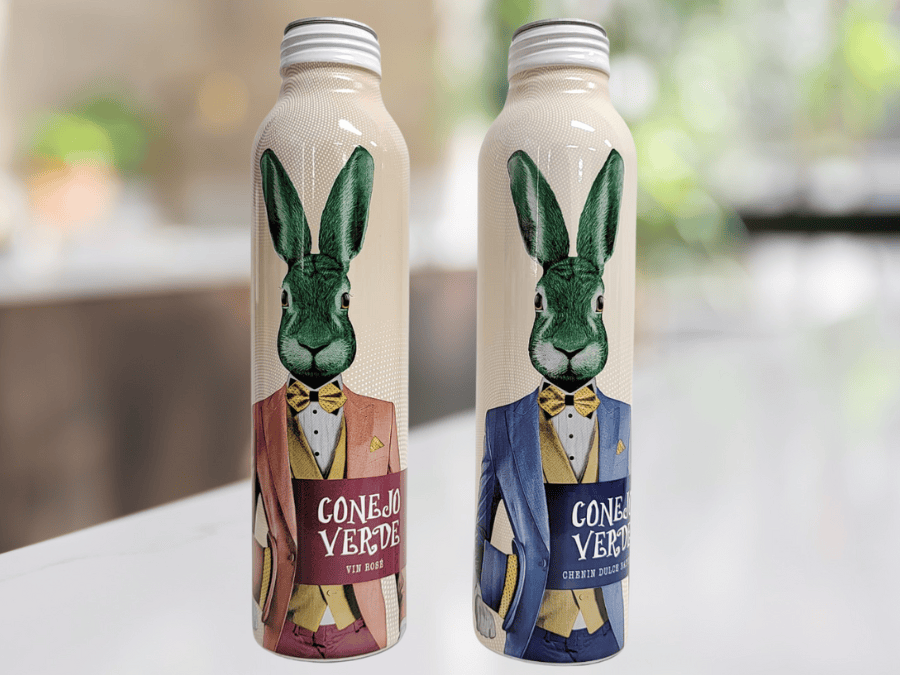
Glass isn’t the only option with shelf appeal. In Argentina, Familia Falasco made headlines late last year by launching an award-winning aluminium bottle for its Conejo Verde wine line (above), in collaboration with local firm Trivium Packaging. The design went on to pick up an award at the Pac Global packaging awards.
“Aluminium bottles are a scalable and sustainable option for smaller wine producers, offering durability and recyclability,” says Trivium Packaging’s director of sales, Santiago Hernado. “They are highly customisable through direct printing and unique finishes like matte or glossy coatings, allowing brands to create distinctive packaging that aligns with their identity.”
Hernardo says the initial consumer response to the Conejo Verde bottle has been very positive, especially among younger LDA consumers, with the winery subsequently launching another wine, Chacabuco, again in the aluminium bottle format.
Legacy brands go lightweight
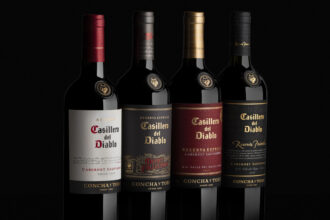
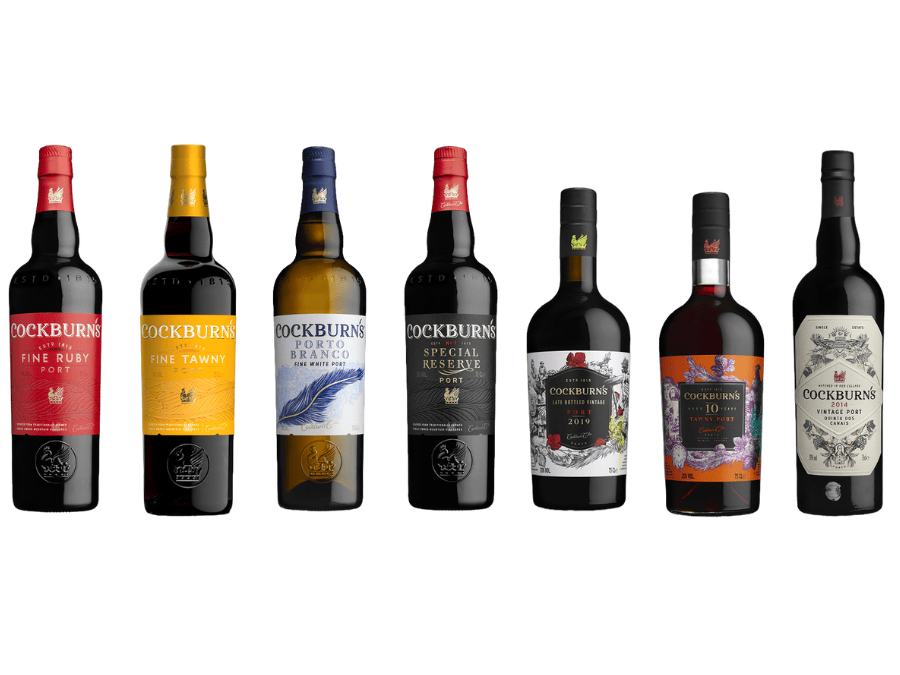
Traditional wine and spirits producers aren’t being left behind. Symington Family Estates, which owns iconic port brands such as Graham’s, Dow’s and Cockburn’s, recently redesigned its Cockburn’s Port range (above) with lighter bottles, significantly reducing both shipping weight and emissions.
“The new range’s lighter bottle will save 432 tonnes of glass and 256 tonnes of CO2 annually,” notes a company spokesperson. “As a B Corp [company], we are assessed for the highest standards of environmental performance and transparency.”
The self-cooling can
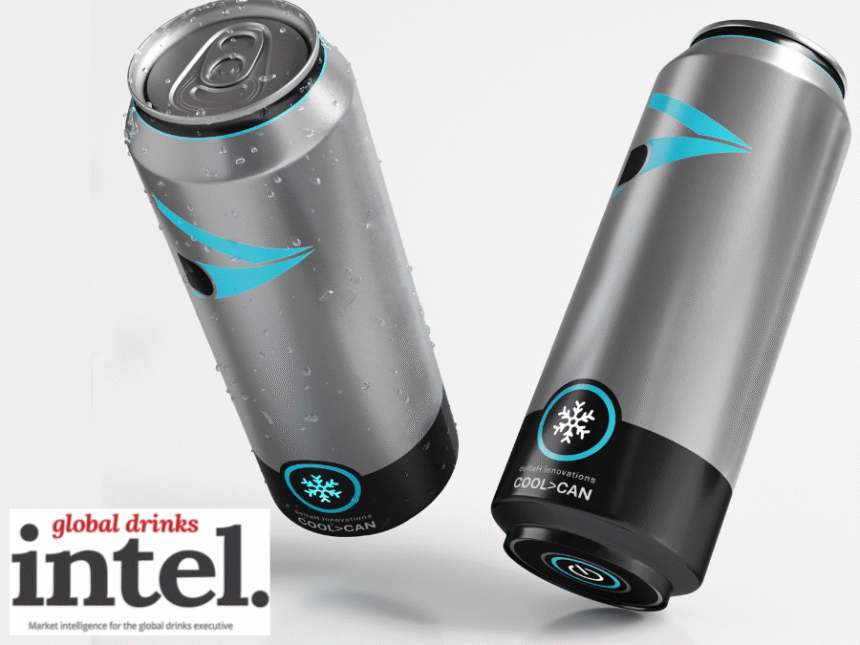
It’s a packaging innovation that the brewing giants have pumped millions into developing, but a former London-based mixologist, James Vyse, the CEO of packaging firm DeltaH Innovations, claims to have beaten them to it. Earlier this year, he unveiled the Cool Can, a self-chilling beverage can. At the push of a button, the can cools itself to fridge temperature within two minutes, without the need for ice or electricity.
“By minimising the need for chilled storage and transportation, preliminary modelling shows the Cool Can could reduce emissions by up to 80g-120g CO2e per can,” Vyse claims. “Across the drinks sector, that represents a significant emissions cut.”
The Cool Can’s recyclable, mono-material construction and reusable internal cooling module add to its green credentials. Future versions may incorporate compostable or bio-based materials.
“We’re setting up manufacturing hubs in the UK, the US and Asia to keep freight emissions low,” adds Vyse.
Closures at the cutting edge
Closures may only represent only a small portion of a wine or spirits brand’s packaging, but they’re becoming increasingly central to sustainability initiatives. A component once often overlooked by brand owners, closures are now being transformed through innovation and circular design. Industry leaders are using technology, recycling infrastructure and smart materials to reduce waste and carbon impact.
The industry’s growing commitment to recycling is well-illustrated by two major cork recycling initiatives gaining momentum on both sides of the Atlantic. Last year, UK multiple retailer Waitrose launched a pilot programme in partnership with Amorim, the world’s largest cork producer, to collect and recycle natural wine corks across seven of its stores.
As the first major UK supermarket to introduce such a scheme, Waitrose aims to prevent millions of corks from ending up in landfill by giving consumers a clear way to return used closures. The corks are collected by Amorim and repurposed into products such as insulation, flooring, mulch, coasters and footwear, reflecting the natural material’s incredible versatility.
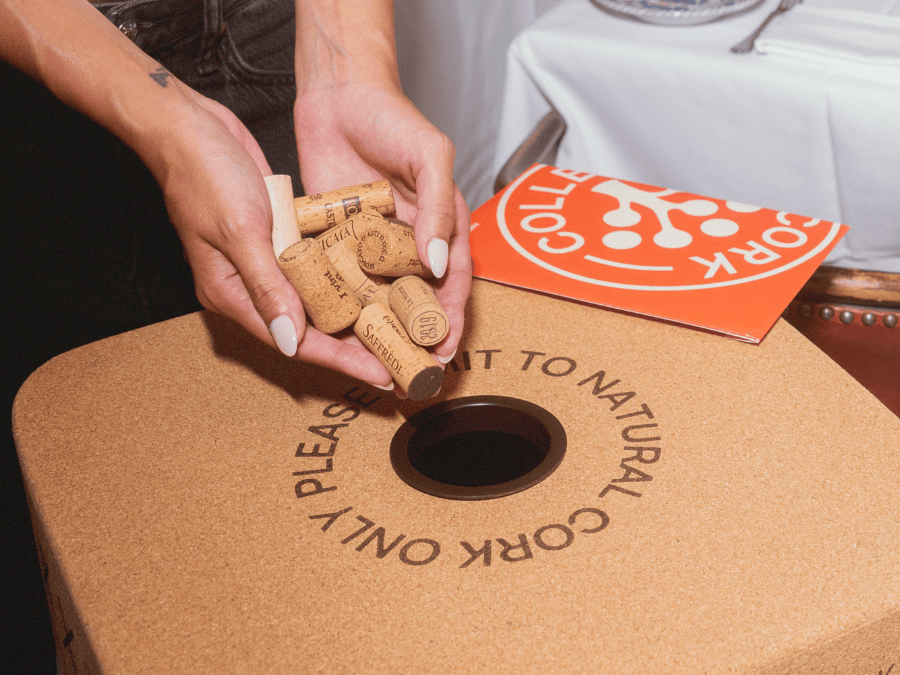
Over in the US, meanwhile, Amorim is also involved in a complementary project in New York as part of the ‘Cork Collective’ (above). The joint initiative, with distributor Southern Glazer’s Wine & Spirits, sustainability specialist BlueWell and architecture & design firm Rockwell, collects and repurposes wine corks into “innovative, eco-friendly products that benefit communities and promote a greener future”.
Partnering with wine retailers and hospitality venues in New York, the group has set up dedicated cork collection points throughout Manhattan and Brooklyn. These drop-off locations are designed for both consumers and industry professionals to return used corks easily and responsibly. Once collected, corks are processed and repurposed in the US.
Amorim’s wider cork recycling initiatives saw the company recycle 1,219 tonnes of cork last year, the equivalent of 271m cork stoppers.
Beyond recycling, the latest technology is reshaping how closures are designed and manufactured. Portuguese cork specialist MA Silva has unveiled Nobeltech, a new closure line developed using artificial intelligence alongside high-tech anti-TCA processes to advance sustainability and performance.
Using the AI-based Bionic Eye, MA Silva employs ultra-sensitive cameras and machine learning algorithms to perform closure-by-closure selection and grading. The result is enhanced sustainability, as the process requires fewer steps while optimising efficiency and achieving superior quality assurance.
MA Silva’s wider sustainability initiatives, which have included the installation of solar mass and the adoption of biomass energy, have meant that the company can now boast a negative CO2 balance of -267.7g per natural cork.
Luxury can also be sustainable, as demonstrated by Crealis, the global leader in the overcap market, with its Virtuo overcap, recently launched under the company’s Rivercap brand. This premium overcap is made entirely from 100% recycled tin, boasting a 61% smaller carbon footprint compared to conventional tin capsules.
Recycled tin offers the same elegant appearance and durability as virgin material, but with a significantly reduced environmental footprint. According to Rivercap, this single-material cap offers personalisation possibilities that match those for all pewter caps, thanks to embossing and debossing techniques and top-of-the-range finishes.
Paper bottles cross the Atlantic
Paper-packaged spirits have been on the rise in the UK for several years, but the trend is finally making an appearance stateside.
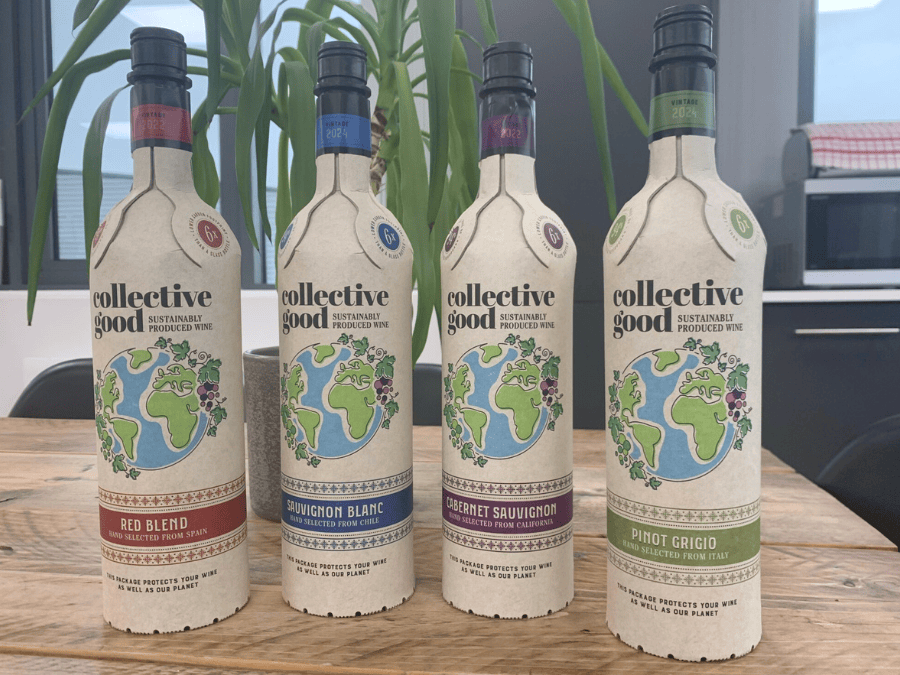
In April, big-box retail giant Target became the first major retailer in the US to introduce a wine range packaged in Frugalpac paper bottles. The country’s seventh-largest retailer is stocking the bottles of “sustainably produced wine” in 1,200 of its stores, a move it says will save the equivalent of almost 100 tons of carbon dioxide.
The Collective Good range (above) comprises Red Blend, Sauvignon Blanc, Cabernet Sauvignon and Pinot Grigio, each priced at only US$9.99. The bottles are made from 94% recycled paperboard and contain an inner food-grade pouch. According to Frugalpac, the packaging format is five times lighter than a glass bottle and, crucially, uses six times less carbon and energy to produce and dispose of.
Florida-based craft distiller Distillery 98 has also adopted Frugalpac bottles for its Half Shell Vodka line, an eco-brand that uses locally sourced oyster shells and coconut carbon to filter its vodka to a high level of purity while trying to keep the distillery’s carbon footprint low.
Reinventing glass – Cleaner heat, lighter bottles
While alternatives flourish, glass remains essential for many premium and heritage brands. But even here, innovation is reshaping tradition. One key area of focus is production – an energy intensive process that involves high temperatures and traditionally relies on natural gas, which releases CO2 when burned.
Stoelzle Glass Group, one of Europe’s biggest glass producers, is currently evaluating alternative energy sources such as biogas and hydrogen.
“Electrification is particularly promising, since molten glass conducts electricity, heat can be generated directly within the glass bath through the targeted use of electrodes – a more efficient method than conventional gas burners,” says the company’s sustainability & carbon manager, Birgit Schalk. Stoelzle also intends to commission its first fully electric furnace by 2030.
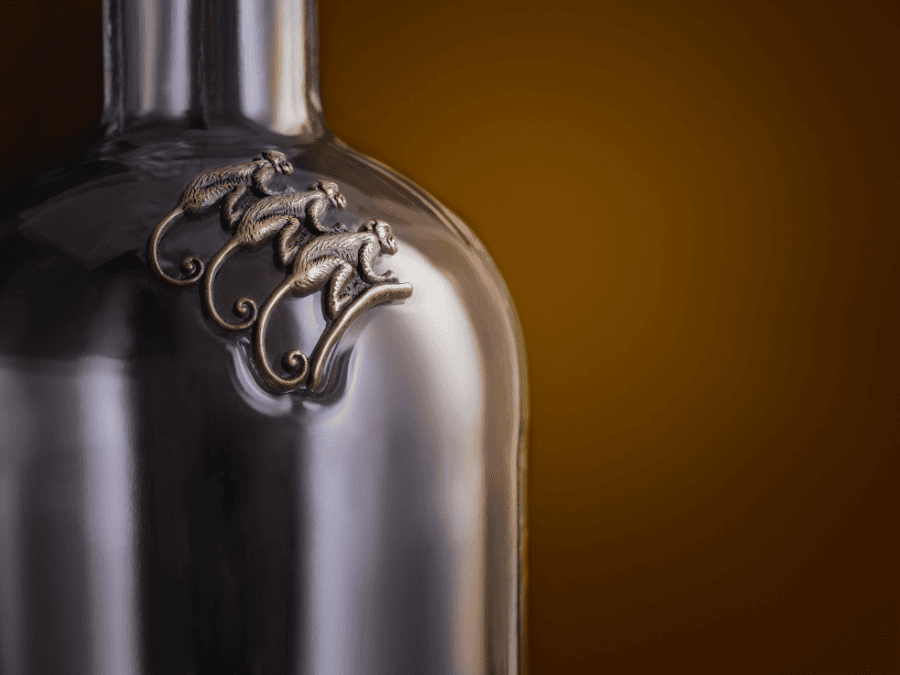
The company is a leader in the production of lightweight glass bottles that retain a premium look and feel. Its Eco Line reduces the weight of a 600g wine bottle to just 490g, while the redesigned Monkey Shoulder bottle (above), produced by Stoelzle for brand owner William Grant & Sons, is 26% lighter than the scotch whisky’s previous one-litre format.
From aluminium and paper bottles to AI-enhanced corks and recyclable cooling cans, drinks brand owners are embracing innovation like never before. What once might have seemed futuristic is fast becoming mainstream. And, while glass will likely retain its place for premium and heritage brands, even here efficiency and lower emissions are now built into the design.
As regulation tightens and consumer preferences shift toward environmentally responsible brands, packaging is fast becoming not just a container, but a powerful symbol of a company’s values.