
By spending strategically and viewing constraints as opportunities, start-up companies can create innovative, high-impact packaging strategies on a budget for their brands.
Strategic planning
Before diving into its design, understanding your brand’s journey is essential. Roiby Gonzalez, North America VP at creative design agency Oveja & Remi, which has worked with the likes of Stella Artois and Chivas Regal (bottle of 15 Year Old Balmain Edition below), emphasises the importance of early discussions with your creative partner.
“Whether creating from scratch, extending a product line or evolving existing branding, it’s crucial to discuss the details,” he says. “Are your COGS changing? Will you be moving manufacturing? These details make a big difference in creative and production recommendations.”
Start-ups, Gonzalez advises, should prioritise transparency to ensure their packaging aligns with long-term business goals.

Leverage industry connections
A well-connected creative partner can be a game-changer, streamlining the process and helping to secure better deals.
“We’ve connected clients with distribution partners, found inventory in specific regions and even secured discounts,” says Gonzalez. “Talk to your creative partner about their connections within the industry – it could make a significant difference.”
Spend strategically
Having limited funds doesn’t have to mean uninspired packaging, according to Kevin Shaw, founder of beverage alcohol design company Stranger & Stranger, which has worked with brands including Tequila Ocho, Bushmills Irish whiskey and Don Papa rum.
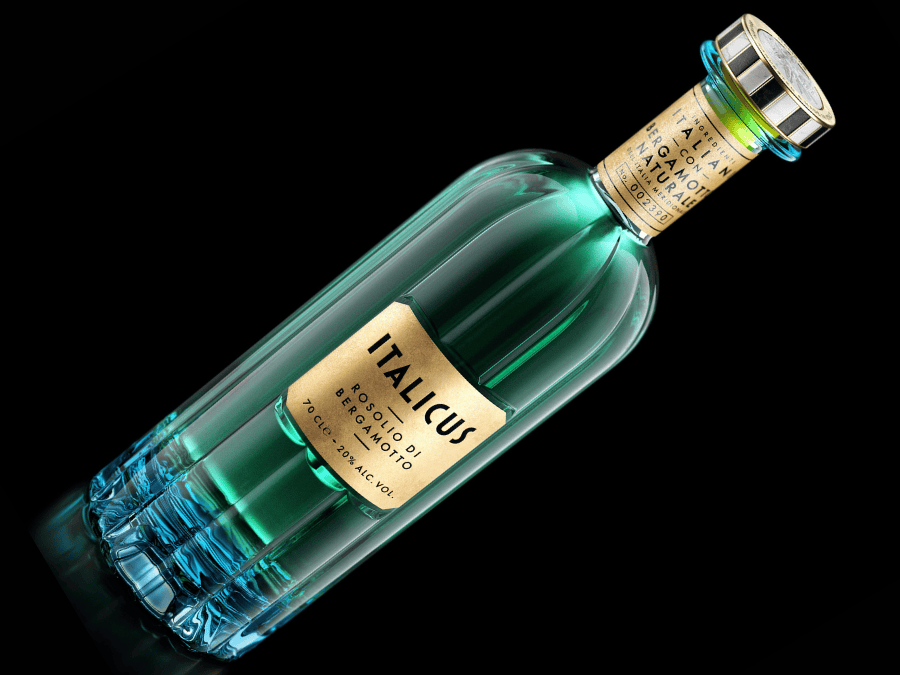
“A tight budget should be no obstacle to success,” he says. “The Kraken, Italicus (below) and Compass Box were all small-budget jobs, and they’ve become iconic.”
Shaw suggests working with experienced designers rather than cutting corners with amateur work. “In the long run,” he says”, an expert, even doing a stripped-down service, will get you way more for way less.”
Think Bold Studio co-founder Viktoriya Dolomanova advises having a strategic approach to your spending. “Utilise distinctive stock bottles rather than custom moulds,” she advises. “Consider cross-category bottle shapes; employ digital printing for labels, and invest selectively in custom closures for differentiation.”
Thoughtful decisions in production, Dolomanova adds, can maintain quality while keeping costs manageable.
Stock bottles do not mean boring bottles
Customisation is not always necessary. Gonzalez reassures start-ups that “stock doesn’t mean boring” and suggests browsing vendor catalogues.
“You’d be surprised how often you find a bottle that fits your original idea,” he says. “And, if you meet the minimum order quantities, you could even customise it by updating the moulds.” By prioritising one’s volume-based goals, start-ups can gradually introduce custom features as they grow.
Abigail Barlow, founder of UK-based Barlow & Co, also advocates for simple yet impactful changes. “Can you make an impact by using one element of your packaging differently?” she asks. “A funky cap or unique label substrate can go a long way.”
Such cost-effective tweaks can make packaging memorable without carrying a hefty price tag. Barlow adds that exploring different finishes, embossing or textural effects can add a premium feel without stretching your budget too thin.
Balance creativity and practicality
No matter how strong the temptation, Shaw warns against blindly following trends – striking a balance between innovation and commercial appeal is crucial.
“Stand out, but don’t try to be trendy,” he says. “Too often we see brand launches and say, ‘Oh, that’s just like…’. If a designer shows you something that would fit right in on a Costco shelf, just say no or you’ll be dead on arrival.”
Unique, timeless design choices, Shaw explains, help brands maintain longevity and distinctiveness.
Barlow echoes the importance of smart design choices. He believes that thoughtful colour selection can elevate a brand without inflating costs: “Be smart with colour – either go big and print CMYK (cyan, magenta, yellow and key) digitally, or pick one or two Pantones that have impact and print flexo.”
Embrace your agility
Unlike established brands, start-ups can pivot quickly. Gonzalez encourages emerging brands to embrace their flexibility: “It’s easier to turn a speedboat than an oil tanker,” he says. “Smaller runs can mean regional or themed packaging, collaborations, etc.
“Big brands spend millions building genuine connections. Start-ups, on the other hand, can engage in deeper conversations with their audience through packaging.”