Herbal bitter liqueurs haven’t proven immune to the headwinds currently buffeting the wider beverage alcohol industry. Yet this diverse and dynamic category appears to be in better shape than many others.
Driven by the spread of cocktail culture and aperitif-focused spritz serves, as well as strong growth in markets such as Argentina and west Africa, the sector continues to buzz with new entrants and product innovation.
Currency devaluation sets the scene in Nigeria
The leading market for bitters remains Africa’s most populous country, Nigeria, where bitters are an integral part of local culture and are even believed to have medicinal and aphrodisiac properties. Between 2018 and 2023, according to IWSR, the country enjoyed a healthy CAGR of 6%, and Diageo-owned Orijin Bitters, which is domestically-produced, was the category’s fourth-largest brand by volume globally in 2023, with sales of 2.2m cases.
However, Nigeria faced an array of problems in 2024, from high inflation and a currency devaluation to the removal of fuel subsidies and continuing political instability.
“In Nigeria, bitters tend to be low-priced local products,” admits IWSR‘s senior market analyst, Charlie Winter. “There’s a small premium imported segment, which was growing, but is expected to fall back due to the devaluation of the naira [currency].”
The founder of German cocktail bitters brand The Bitter Truth, Stephan Berg, takes a more upbeat view of the market and the wider west African region – IWSR ranks Ghana as the category’s third-largest market.
“We pride ourselves that we’ve had a presence in west Africa for years,” he says. “At first, [it was] through some more one-off contacts, but we have now found a partner that covers the area as a whole.
“We have big expectations for the region, albeit that, of course, each of the countries in the region will require its own approach.”
Argentina’s temporary downturn
Ranked second in size by IWSR, economically troubled Argentina saw a 10% jump in bitters volumes in 2023.
The South American country boasts a longstanding relationship with cocktails, with more than 62% of the population claiming to have some degree of Italian ancestry. Consequently, the classic Italian amaro Fernet-Branca-and-Coke is a popular bar call, especially among younger LDA consumers.
“Bitters play a significant role in Argentina and transcends all socio-economic statuses,” maintains IWSR senior research analyst Luciano Anavi. “However, 2024 was the first year since the pandemic that the category started to see signs of suffering due to the national economic crisis. We expect this to reverse once the economic situation improves.”
Aperol’s third-quarter flatness
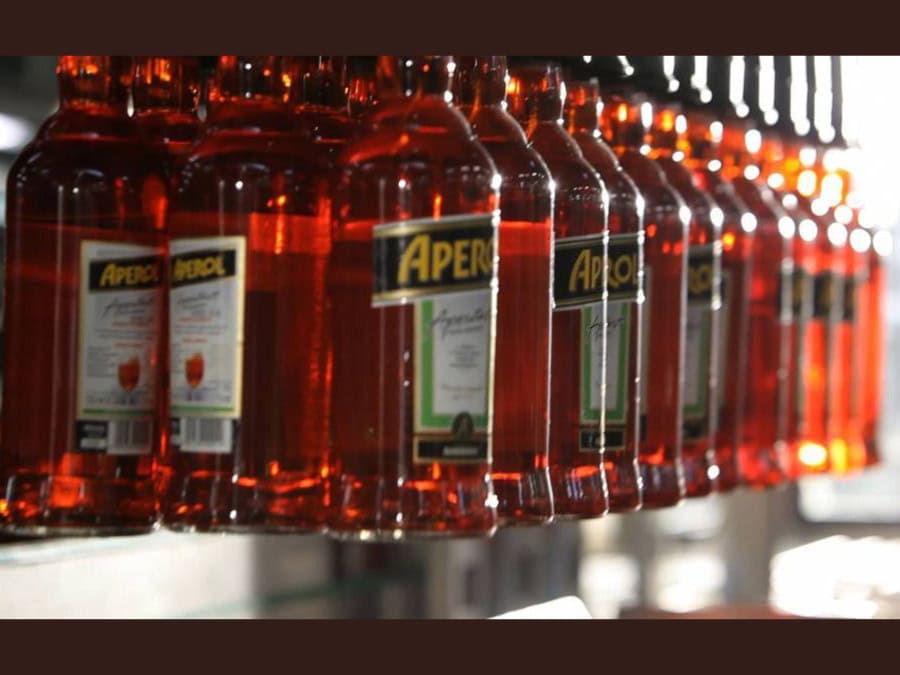
The challenging trading climate for herbal bitters is also reflected in the most recent results from Campari Group, the owner of Aperol, the herbal bitter segment’s hugely successful market leader. In the third quarter of 2024, sales of Aperol were flat%, with the brand growing at only 3% over the first nine months of the year.
The brand’s owner partly blamed the poor summer and autumn weather in key markets such as Italy for its Q3 slowdown. Yet there was also strong growth in other territories, including the US, Canada, Australia, Greece and global travel retail.
The ubiquitous Aperol spritz is now the most popular cocktail in London and 22 US states, according to Campari Group, while the Aperol brand itself is the most ordered spirit in both Germany and Italy.
Jägermeister ‘cautiously optimistic’ about 2024
Jägermeister, the category’s second-largest brand, has admitted that market conditions in its home country of Germany, with economic stagnation and an energy crisis accelerating thanks to the war in Ukraine, have been far from ideal of late.
Nonetheless, the brand managed to achieve global sales of 9.2m cases in 2023, helping owner Mast-Jägermeister achieve its second-best full-year performance to date.
The UK and other Western markets helped Jägermeister offset both a flat sales showing in Germany and a slowdown in the US; the global travel retail channel and a recovering post-pandemic China were also bright spots. Mast-Jägermeister has yet to release its figures for 2024, but CEO Michael Volke is “cautiously optimistic” the company will achieve a “stable, high result” despite “the fragility of the consumer climate in many markets”.
The family-run company, a single brand model since its inception in 1878, has set its sights on becoming a portfolio company in recent years, acquiring stakes in Gin Sul (2018) and US tequila brand Teremana (2022).
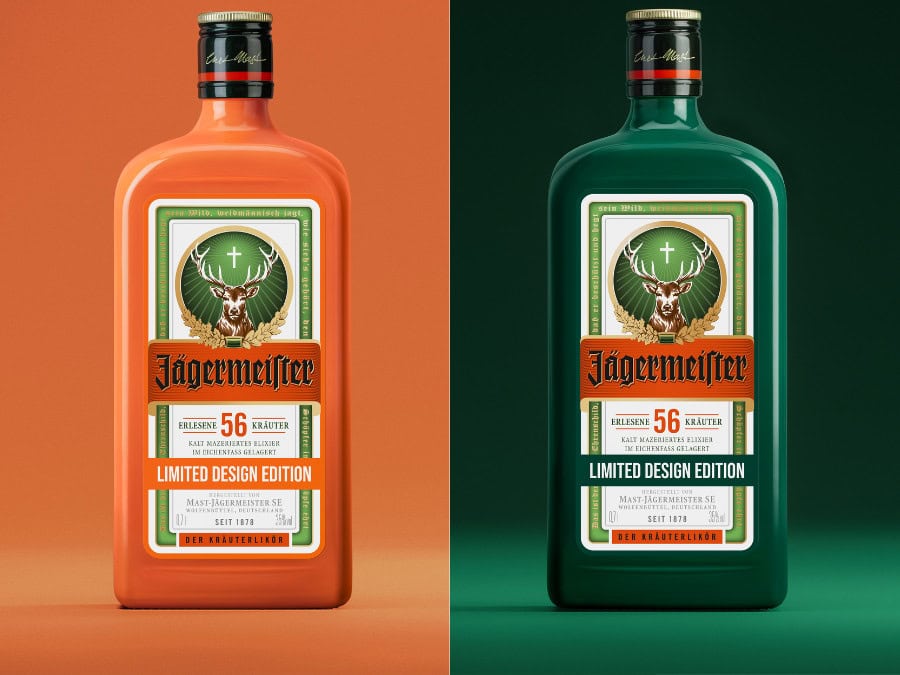
That said, Mast-Jägermeister continues to innovate with its core brand, working with the Pantone Color Institute to redefine the herbal liqueur’s signature colours and releasing its first monochrome bottle design as part of limited-edition design packs (above). Just 560 units in each colour – Herbal Green and Culture Orange – and containing the minimalist bottles were released in September.
Schwartzhog on the hunt overseas
With roots that can be traced back to medieval monasteries, Germany’s herbal liqueur heritage is steeped in tradition. Despite its age, the category continues to chime with the country’s consumers and was worth EUR556.4m (US$575.7m) in 2023, according to Statista.
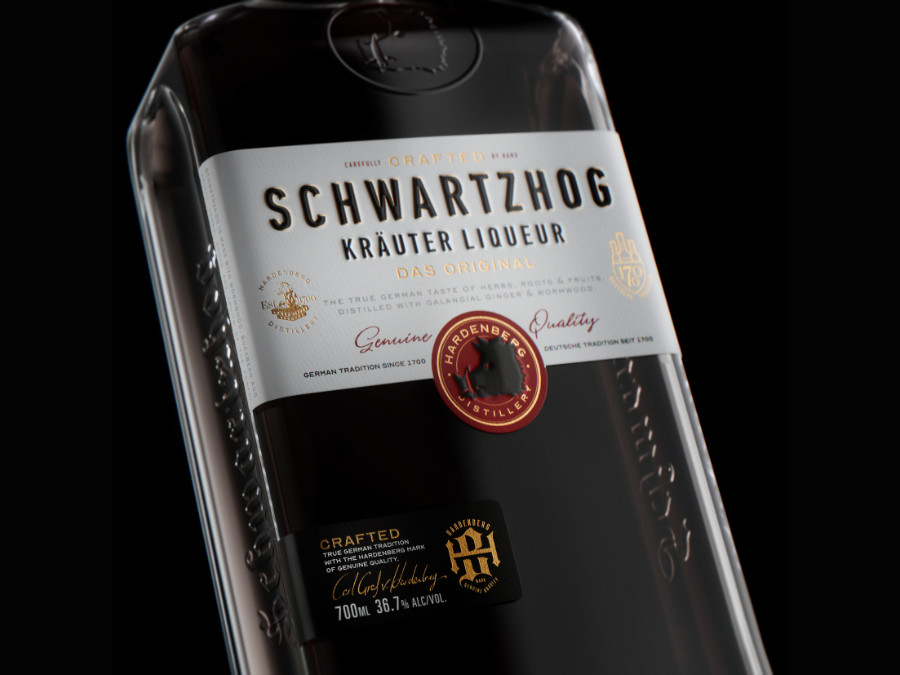
Schwartzhog (above), meaning ‘black wild boar’, is one of the country’s best-known kräuter (herbal) liqueurs. Created by the Hardenberg family in the 1700s and owned today by Hardenberg-Wilthen, the liqueur’s secret recipe includes wormwood, ginger, bitter oranges, buckbean and sauwurz (hog root).
The 36.7%-ABV herbal liqueur can be consumed straight as a shot, over ice or mixed with cola, energy drinks or ginger beer. Hardenberg-Wilthen has developed a range of easy-to-make cocktails using the brand, including the hogs fizz (Schwartzhog, honey and prosecco), the hogarita (Schwartzhog and tequila with a sweet-and-sour mix), and the ginger hog, (Schwartzhog and ginger beer).
According to Hardenberg-Wilthen’s business development director, Carl Graf von Hardenberg, Schwartzhog is distributed widely across Germany and has been performing well. The company now plans to expand the brand’s overseas distribution footprint, which currently covers markets including the US, Argentina, Chile, Paraguay, Azerbaijan, Turkey and Nigeria.
“It’s a mix of markets and depends on [distribution] partners,” he explains. “Of course, there are markets where bitters are more popular than others. Markets with a strong shot culture are interesting, and we can compete with tequila or whiskey/whisky as an alternative shot.”
Fernet Stock withstands Czechia’s tax hike
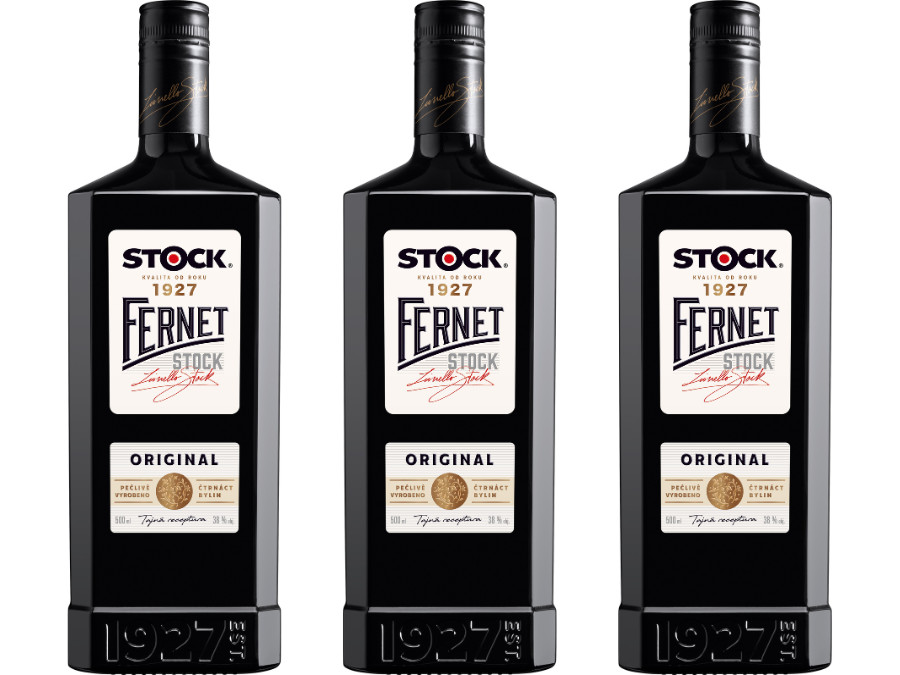
Created in 1927 in what was then Czechoslovakia by Stock Trieste, Fernet Stock (above) is another herbal bitter with a proud heritage and a strong modern following. Now part of the fast-growing Stock Spirits Group, Fernet Stock boasted 28% value and 38% volume market shares in Czechia in the first ten months of 2024, according to Stock Spirits’ marketing director for Czechia & Slovakia, Tomáš Hejkal.
At the same time, Hejkal admits that Stock Spirits had to raise the prices of both Fernet Stock Original and popular line extension Fernet Stock Citrus after the Czech government raised the alcohol excise tax by 10% this month. “However, sales of the Fernet brand remain strong, as many consumers are drawn to the more affordably priced options, such as Fernet Stock Standard and Fernet Stock Standard Citrus,” he adds.
“We launched TV commercials during the peak holiday periods, Christmas and Easter, supported by point-of-sale and in-store [on-and off-premise] promotions to strengthen brand connections. We also engaged in key events like the Prague Bar Show and Majáles – one of Czechia’s largest student music festivals – showcasing our commitment to the community and building brand presence in exciting, relevant spaces.”
The most famous cocktail using Fernet Stock is the simple bavorák, comprising Fernet and tonic, but Hejkal says the brand is mostly enjoyed neat. “We also successfully used the base of Fernet Stock to produce Fernet Stock Bitters in two two variants: Dark and Pale,” he says. “Thanks to its high quality and intensity, it quickly gained recognition within the bar community, and today you can find it in many bars across Czechia and Slovakia.”
Angostura Bitters enters third century with no/low focus
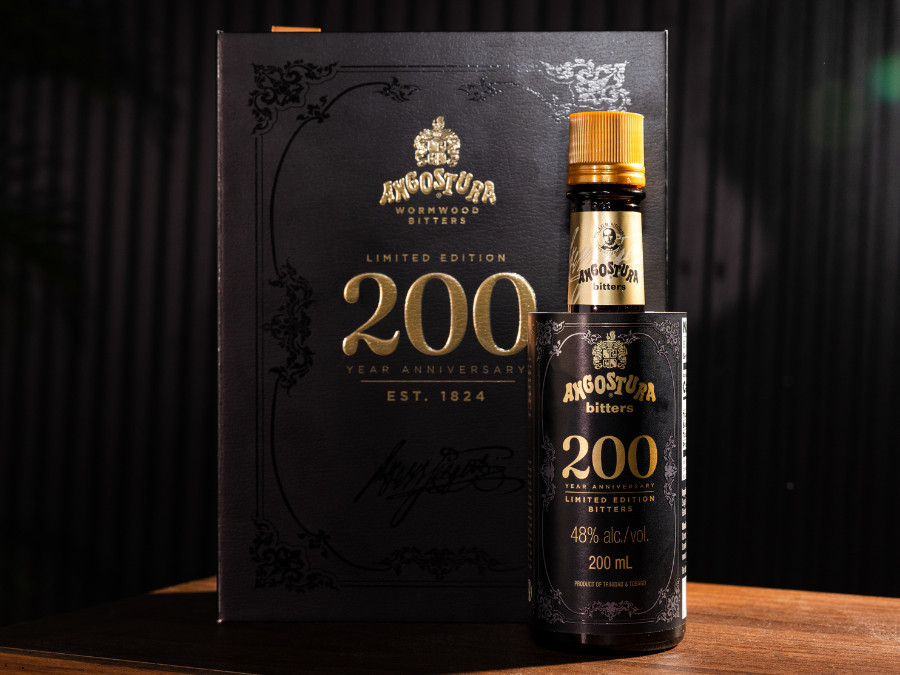
Angostura Bitters, that beloved paper-wrapped staple of the bartending of the world, valued for its complex flavour profile and versatility in elevating all manner of cocktails, has released a limited-edition bitters to celebrate the brand’s bicentenary in style. The Angostura Anniversary Limited Edition (above), made with Angostura-aged rum and packaged inside a collector’s edition box, is limited to just 120,000 bottles globally.
“The addition of aged rum adds complexity to the blend by introducing woody notes and balancing the herbaceous character imparted by the new botanicals,” says Angostura Bitters marketing manager Vitra Deonarine. “Originating from the only remaining distillery in Trinidad & Tobago, with its exceptional rum-making quality and tradition, the new commemorative bitters is the ultimate expression of the provenance of Trinidad.”
The commemorative release was made available in limited quantities to select US national and regional liquor chains, as well as online at ReserveBar and The Bourbon Concierge, in October. The company has also published a celebratory book, Classic Cocktails and Fancy Drinks with Angostura Bitters, which celebrates the brand’s key role in the growth of cocktail culture and showcases serves featuring it as an essential ingredient.
Commercially, Angostura Bitters continues to go from strength to strength. In its financial year to the end of September, sales rose 4%, with growth driven by increased sales of its namesake bitters in Australia (+28%), Latin America (+18%) and North America (+1%).
In 2025, says Deonarine, the company will react to the growth of no- & low-alcohol beverages globally. “This year will see Angostura roll out a new campaign focused on education and trial of Angostura to inspire consumers and the trade with how Angostura can elevate no/low-alcohol offerings in both the on-trade and at home,” she reveals.
Moving with the times – Caffo enters RTDs, Lejay enters bitters
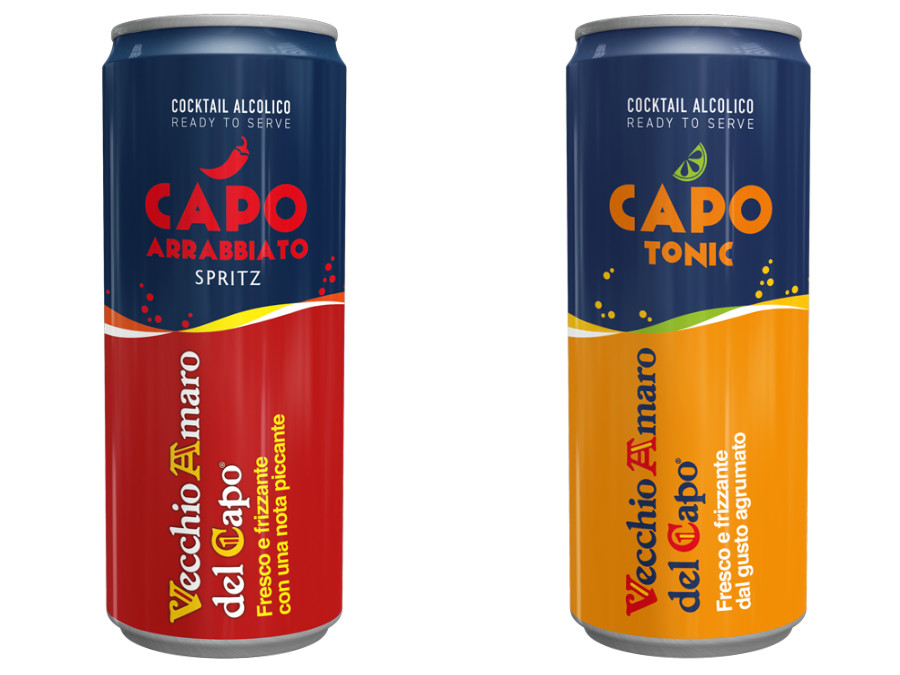
Bitter liqueur brand owners may pride themselves on their long histories and rich heritages, but they also increasingly demonstrate their ability to move with the times. A good example is Calabrian spirits producer Gruppo Caffo 1915, whose flagship product is Vecchio Amaro del Capo, a herbal liqueur based on an ancient Calabrian recipe made with regional herbs, flowers, fruits and roots.
In September, Caffo launched two canned premix cocktails (above): Capo Arrabbiato Spritz (Vecchio Amaro del Capo Red Hot Edition, white wine and soda) and Capo Tonic (Vecchio Amaro del Capo, Calabrian lime and lemon juice and tonic).
“We have chosen to expand our offer in the RTS market, because it’s one of the most promising categories in the alcoholic sector,” said CEO Nuccio Caffo. “A market currently growing strongly finds us prepared for the challenge.”
The new lines were initially test-launched in the southern Italian market, pending a wider national roll-out. “The first findings are … beyond all expectations and push us to continue quickly,” Caffo added.
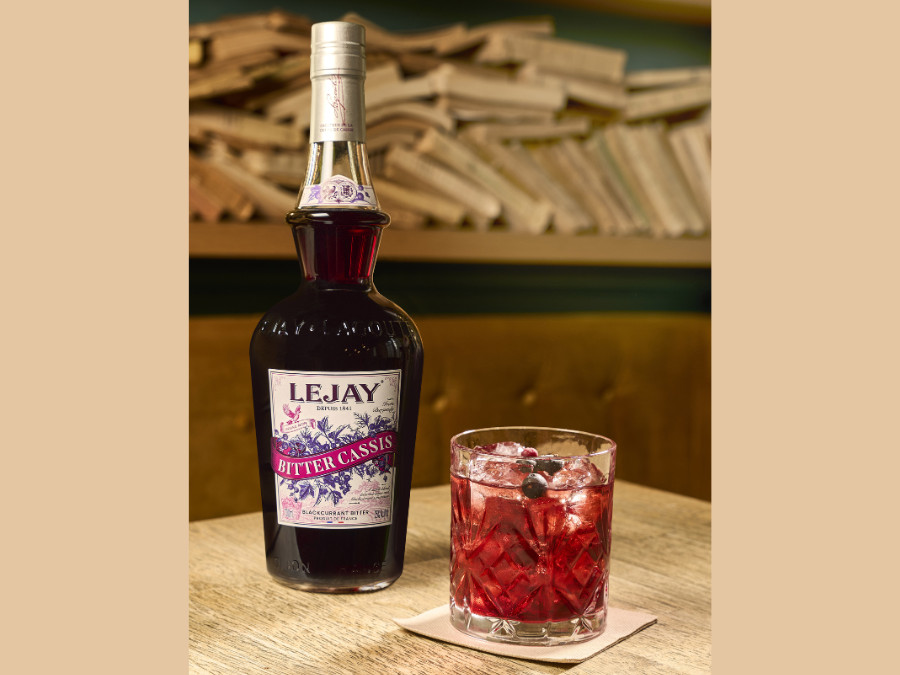
Similarly, French liqueur producer Maison Lejay Lagoute, best known for Lejay Lagoute Original Crème de Cassis de Dijon, has shown it too can enter a fast-growing category, launching a bitter cassis in April. Lejay Bitter Cassis (below) marked the first new liqueur from the La Martiniquaise-Bardinet-owned brand in a decade.
The product uses the distillery’s signature blend of Noir de Bourgogne and Black Down blackberries and buds, macerated in eaux-de-vie. The bitter flavour is achieved by adding citrus fruits and orange peel to the original recipe.
According to a company spokesperson, Lejay Bitter Cassis has three objectives: to meet demand from bartenders for less sugary, more complex and bitter liquids; to offer a product that will appeal to bartenders when making classic bitter-tasting cocktails such as the negroni, americano and boulevardier; and to appeal to consumers wanting easy-to-make recipes at home, such as highballs made with soda water.
La Martiniquaise-Bardinet plans to roll out Lejay Bitters Cassis to key export markets, including the US, Canada, the UK, Japan and France.
‘Record-breaking’ year for The Bitter Truth
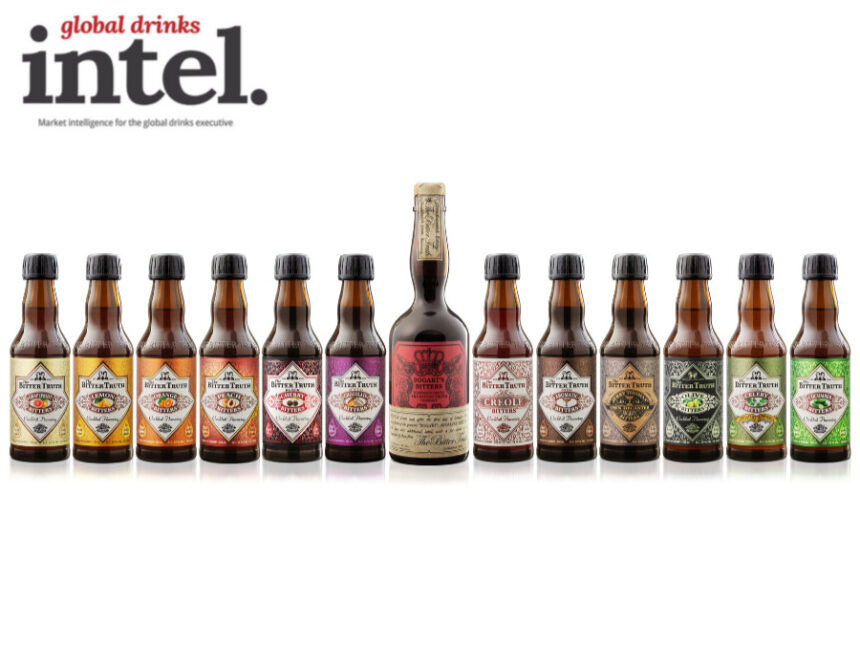
Despite challenging market conditions, German cocktail bitters producer The Bitter Truth enjoyed a successful 2024, according to its founder, Stephan Berg. The company managed to expand its reach, he says, while introducing innovative products and solidifying its position as a leading player in the cocktail bitters arena.
“It’s been a record-breaking year for us,” says Berg. “We’re incredibly grateful to our customers and partners for their unwavering support, especially in a year that has been challenging for many in the spirits industry.”
The Bitter Truth expanded its global footprint by entering new markets and forging strategic partnerships with distributors, reveals Berg. The company’s “commitment to quality, innovation and education” has resonated with bartenders and consumers alike, leading to increased demand for its namesake brand.
“Bartenders are constantly seeking new and exciting flavours,” says Berg. “We’ve seen our newest flavour, Black Cherry, soar in popularity, and our savoury flavours are also performing exceptionally well.”
Looking to this year and The Bitter Truth is poised for continued growth and innovation. The company is already working on several new projects, according to Berg, including a unique new bitter flavour that he claims will “shake up” the cocktail scene.
This article is available to Global Drinks Intel members only.
Click below for details on how to join the Global Drinks Intel community.
Already a member?
Log in here to read the article in full.
If you work for any of the following corporate subscribers to Global Drinks Intel, head here to activate your access.
- AB InBev
- Bacardi
- Campari Group
- Diageo
- Moët Hennessy
- Pernod Ricard
- Proximo Spirits
- Suntory Global Spirits
- William Grant & Sons