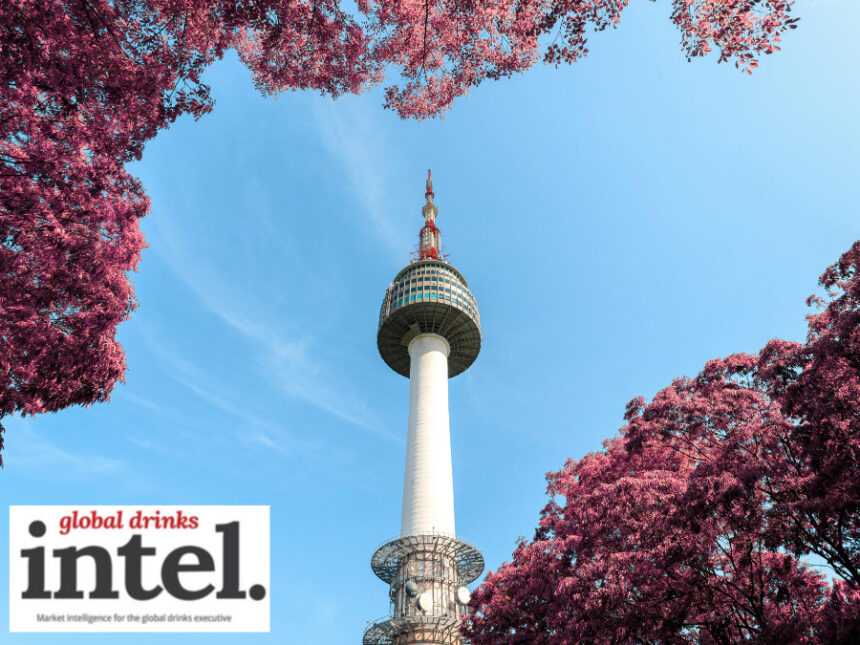
Over the last decade, Seoul’s drinking scene has transformed dramatically. While soju and beer remain staples, the South Korean capital is now home to diverse drinking options, from traditional pojangmacha street tents to sleek cocktail lounges.
This evolution reflects the city’s blend of old customs and modern trends, mirroring Seoul’s rapid economic development and growing global influence.
The Scene
Home to nearly 10m residents, Seoul sits in the heart of a wider metropolitan area housing over half of the country’s 51m population. The capital’s economic clout is increasing, with average annual salaries reaching KRW49.16m (US$36,810) in 2022. While Koreans have a cultural inclination towards social drinking, younger consumers are increasingly prioritising quality over quantity, reshaping the drinking landscape.
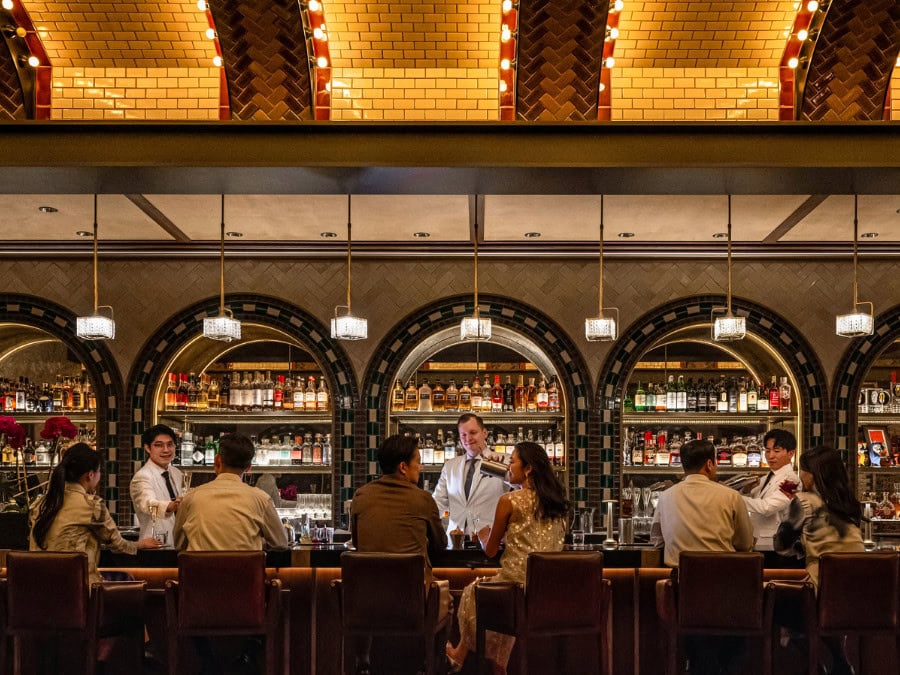
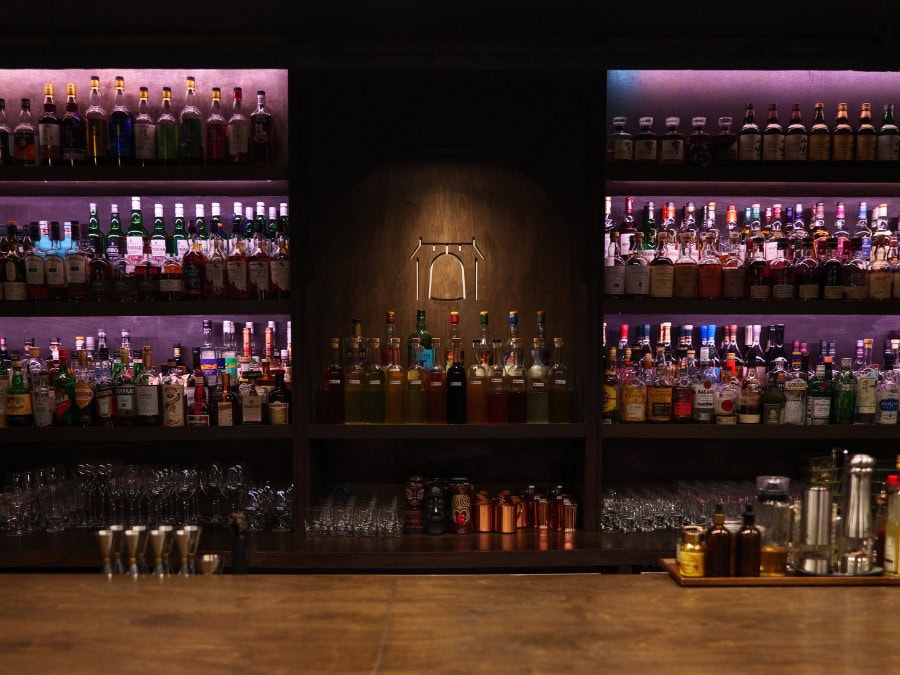
Bartenders have witnessed this change first-hand. “When I started in 2011, there was no fresh lime,” explains the head bartender of the Four Seasons Hotel Seoul (below), Ike Ryu of Oul. “It’s not like that anymore and now bars are making innovative cocktails. Creativity and hospitality are key.”
Seoul’s performance in the 2024 Asia’s 50 Best Bars list underscores this transformation. This year, the city claimed an unprecedented five spots, with Zest leading at No.2, followed by Bar Cham (No.20), Alice Cheongdam (No.46), Le Chamber (No.48) and newcomer Pine & Co (No.50).
“Seoul now has as many excellent bars as any other renowned city in Asia,” says Diageo Korea senior brand ambassador Akira Sung.
Seoul’s bar scene is diverse. Affluent Gangnam boasts upscale nightlife, while expatriate hub Itaewon and neighbouring Hannam-dong cater to a cosmopolitan crowd. Hongdae and the wider Mapo district, meanwhile, offer a more alternative vibe popular with younger drinkers. Even the historic Jongno district has embraced the cocktail renaissance, with several bars cleverly housed in renovated traditional hanok buildings.
The trends
Speakeasy-style bars have found a receptive audience. Charles H at the Four Seasons has cemented its reputation as a landmark for both locals and tourists, offering classic cocktails in an opulent, 1920s New York-inspired setting. Myeongdong Sookhee, hidden behind a mirror, features traditional Korean-inspired decor, while Alice Cheongdam, concealed behind a flower shop, and Le Chamber, also in Gangnam and accessed via a secret door activated by a magical book, further exemplify the trend.
The professionalisation of bartending has been a driving force behind Seoul’s cocktail renaissance. Sung emphasises the impact of initiatives like Diageo’s World Class Bartender of the Year competition: “The World Class has become a competition that everyone in the bartender scene looks forward to, nurturing capable bartenders and discovering star bartenders, like star chefs.”
Seoul’s cocktail scene stands out for its creative use of Korean ingredients and spirits. Ryu explains: “Many foreign guests are now looking for something Korean in their cocktails. That’s why we started using traditional liquors and other traditional ingredients.”
This approach has led to innovative fusions. “We use gin with chrysanthemum, ginger and yuzu,” explains Ryu, referencing his hwachae, a traditional Korean punch.
At Zeya (below), a casual bar in nearby Jonggak, owner Sungwon Choi also champions domestic produce: “We use local specialties like Seongju melon, Naju pear and Gochang bokbunja (Korean black raspberry), and reinterpret Korean herbs like perilla leaves,” he says.
Going local has fuelled a boom in traditional liquors, with popularity among younger drinkers surging. Online retailers have proliferated, targeting the Millennial and Gen Z demographics.
Sustainability is also gaining traction. Zest uses every component of its ingredients and creates its own carbonated beverages to reduce waste. Over at Oul, discarded mandarin peels are dehydrated and reused to infuse spirits. At Zeya, Choi creates garnishes from fruit waste and reduces single-use products.
The pandemic has shifted consumption habits, with solo drinking challenging South Korea’s traditionally communal drinking culture. The health & wellness trend is also gaining prominence, leading allulose and zero-sugar substitutes to grow in popularity, and driving an increase in non-alc options.
The local players
Domestic products remain the bedrock of Seoul’s drinking culture. Diluted soju still dominates sales, with HiteJinro and Lotte Chilsung Beverage leading the market.
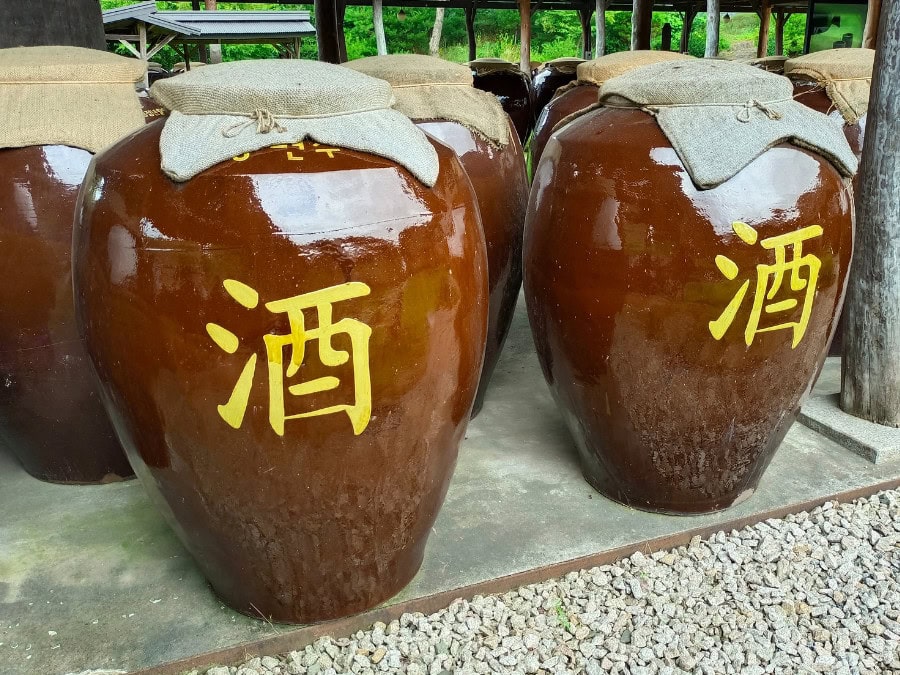
However, there has been a move towards traditional and premium Korean liquors. Kim Byung-Hoon, a researcher at Baesangmyun Brewery (below), observes: “When people couldn’t gather [during the pandemic] and had to drink at home, they began exploring drinks they’d always wanted to try, like traditional liquors.”
This enthusiasm has led to new bars specialising in makgeolli (rice wine) and other traditional spirits, often with a modern twist. Brands like Hwayo, offering premium distilled soju with sleek packaging, are changing perceptions of Korean spirits. Subsequently, domestic producers have expanded beyond traditional liquors: Ki One is South Korea’s first single malt whisky, while Korean gin brands, such as Buja and Kori, have gained prominence. At Oul, Ryu exclusively uses Korean spirits in his cocktails. In his take on the French 75 serves, he substitutes sparkling makgeolli for champagne.
Elsewhere, the craft beer scene has also risen in popularity over the past decade, reflecting the broader trend of consumers seeking unique, premium local products across all beverage categories.
The international players
Global giants such as Diageo, Pernod Ricard and Bacardí have long recognised Seoul’s potential and maintain a strong presence. Whiskey/whisky has surged in popularity in recent years, shedding its ‘old-man’s drink’ image and spawning small-scale malt and cocktail bars across the city.
Sung notes growing interest in other premium spirits: “Whiskey/whisky has opened the door to consumer awareness and trend changes for premium alcohol and fine drinking. We’re expecting that premium spirits across a wider range of alcohol categories can grow together now. Tequila, which has been gaining attention recently, is an example of this.”
Imported wine has also seen notable growth. France, Chile and Italy lead the pack, with shipments projected to reach $581.3m in 2022, according to the Korea Wines & Spirits Importers Association.
The challenges & opportunities
Prices in Seoul are high and have increased in line with the global cost of living crisis, resulting in a contraction of consumer sentiment. Since the Covid-19 pandemic, younger people have been avoiding heavy drinking, and in some outlets, soju is now sold by the glass rather than the bottle.
The shift from bottle to glass is also true for whiskey/whisky and is one of the biggest changes in drinking culture. But this shift aligns with the more general move towards “fine drinking”, emphasising better rather than more and savouring even a single glass.
As Sung explains: “Consumer expectations have evolved significantly, and bar culture has matured accordingly. There’s growing interest in the history behind the drinks and the craftsmanship involved in their production.”
For Choi, building brand recognition is the biggest challenge in the city’s on-premise channel. His approach focuses on creating a relaxed atmosphere by reinventing classic drinks with Korean ingredients.
“We want both newcomers and bar enthusiasts to feel comfortable,” he says. Choi’s strategy underlines the need for approachability given the intimidating atmosphere some bars might emanate, considering that many Korean consumers may be more used to a drinking culture that involves grilling meat and sipping soju in noisy spaces.
The growing appreciation for local ingredients and traditional Korean spirits offers unique opportunities. Sung notes that Korean guest bartenders are now bringing domestic flavours to bars across Asia. For Ryu, this is just the start: “I think that maybe after a few years, Korean liquor will be in bars around the world.”
Looking ahead, the expansion of premium spirits offerings is likely as consumers’ palates become more adventurous and globally influenced. “The MZ generation are not hesitant to discover their own tastes,” says Sung. “Once they learn about something, they tend to dig deeper.”
This article is available to Global Drinks Intel members only.
Click below for details on how to join the Global Drinks Intel community.
Already a member?
Log in here to read the article in full.
If you work for any of the following corporate subscribers to Global Drinks Intel, head here to activate your access.
- AB InBev
- Bacardi
- Campari Group
- Diageo
- Moët Hennessy
- Pernod Ricard
- Proximo Spirits
- Suntory Global Spirits
- William Grant & Sons