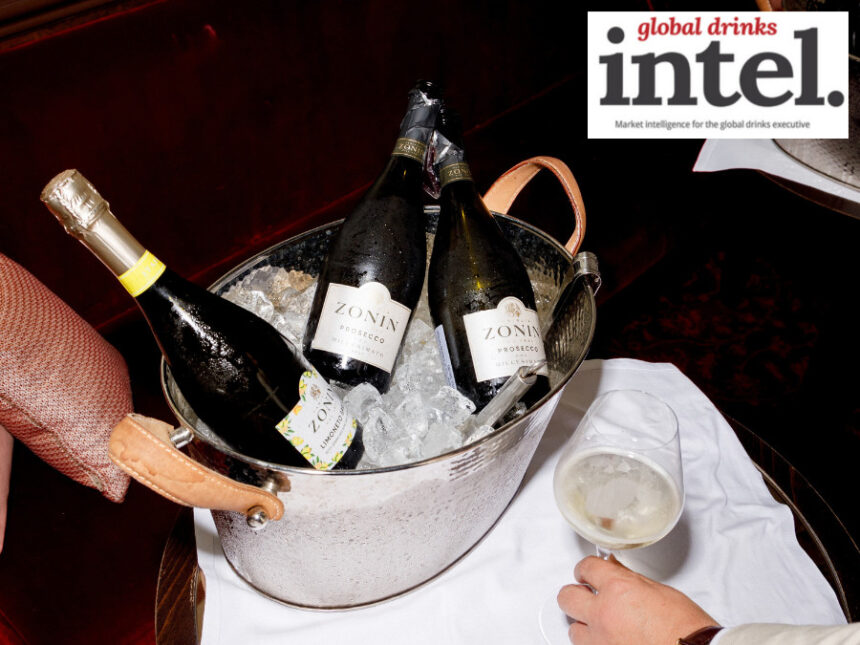
Amid signs of demand softening in key markets such as the UK and whispers of consumers suffering from ‘prosecco fatigue’, there are signs that sparkling wine’s category darling might have lost a little of its attraction – although there are still opportunities for sparklers from all over Italy to pursue.
“Sparkling wine growth in the UK has slowed recently, mainly driven by a slight decrease in the country’s off-trade sales [-2.1% year-on-year MAT 14 April 2024, according to Circana off-trade data],” says Henkell Freixenet’s head of communication, Vanessa Lehmann. “Household penetration of total sparkling wine is relatively static, so the decline is driven by shoppers buying less in total volume, and also trading down.
“The current downtrading to lower-priced alternatives is mainly due to the pressure on household incomes. This affects premium categories such as champagne, or premium prosecco as well, where we see a decline in penetration at the moment.”
Zonin1821 VP Michele Zonin concurs, suggesting that the UK has suffered more than other markets at the hands of the cost of living crisis. “Restaurants are a key venue for wine sales,” he says, “but people are eating out less and spending less when they go out – so this does hit the more premium end of the market. Gen Z and Gen Alpha are also drinking noticeably less than their parents when they go out to eat, and this, too, is impacting overall wine sales in the on-trade.”
This generational factor is also referenced by the marketing manager at La Martiniquaise-owned Perlino, Elena Branda, who highlights the more experimental, less brand-loyal behaviour of younger age cohorts. “This shift in consumer behaviour has certainly impacted the growth of sparkling wine in these markets, as it faces increased competition from other beverage categories,” she says.
“However, it’s important to note that sparkling wine still holds a strong position in the market, and continues to be a popular choice for celebrations and special occasions.”
US and UK vital, but emerging Asian markets offer ‘greatest potential’
Beyond the UK, however, there’s still a big world for Italian sparkling wines to explore, prosecco or not.
Camilla Lunelli, director of communications at Gruppo Lunelli (owner of traditional method sparkler Ferrari Trento and Prosecco Bisol 1542), says Ferrari Trento’s partnership with Formula 1 has proven “extremely positive worldwide” – especially in the Americas.
When Ferrari Trento signed up to be the official toast of F1 in 2021, there was only one grand prix in the US (Austin); since then, Miami and Las Vegas have been added to the calendar. “Between 2020 and 2023, Ferrari Trento sales in the US more than tripled,” says Lunelli. “In particular, we saw tremendous growth and great success in Florida, Nevada and Texas, thanks to some strategic activations starting from the above-mentioned races.” Mexico, meanwhile, is similarly buoyant, thanks to its own grand prix and the adulation afforded to local hero and Red Bull driver Sergio Pérez.
While heartlands such as the US and the UK remain vital, emerging markets are increasingly on producers’ radars. Bottega president Sandro Bottega points out that almost 60% of the global population lives in Asia, “so the continent is becoming the first target for the future of sparkling wines: not just the more traditional markets, such as Japan, China, South Korea, Taiwan and Singapore, but also the emerging ones, such as India, Thailand, Indonesia, Vietnam and the Philippines”.
Asia – East Asia specifically – is also highlighted by the export & travel retail sales director at Masi Agricola, Pier Giuseppe Torresani, who believes that the region holds the greatest potential for Italian sparkling. “The taste profile of prosecco is highly appreciated, and its pricing is competitive compared to other sparkling wines,” he says.
Perlino’s Branda believes Asian consumers are beginning to swap sweeter sparkling wines for drier styles – prosecco included – but Henkell Freixenet is focusing on Latin America, setting up its own distribution company in Uruguay to target markets such as Brazil, where according to Lehmann, sparkling wine consumption grew by 10% in value terms in 2023.
Alternative and high-end extensions capture consumer interest
Opportunities persist in established markets too. Zero-alcohol is one, and prosecco alternatives are another. A combination of Gen Z consumer behaviour and the UK’s labyrinthine new duty rules (favouring low-alcohol styles) has led Henkell Freixenet to launch Freixenet Asti – Perlino also has an Asti wine – alongside another light, fruity Italian sparkler called I Heart Bubbly.
Masi has a premium DOCG prosecco, Canevel, and a range of high-end, origin=specific wines in the range, but also Conte Frederico, a Trento DOC classical method sparkling blend of pinot noir and chardonnay, sourced from the Conti Bossi Fedrigotti estate and aged on the lees for 36 months. In 2023, the company also invested in the up-and-coming region of Oltrepò Pavese, the origin of soon-to-launch 100% pinot noir Masi Moxxé del Re.
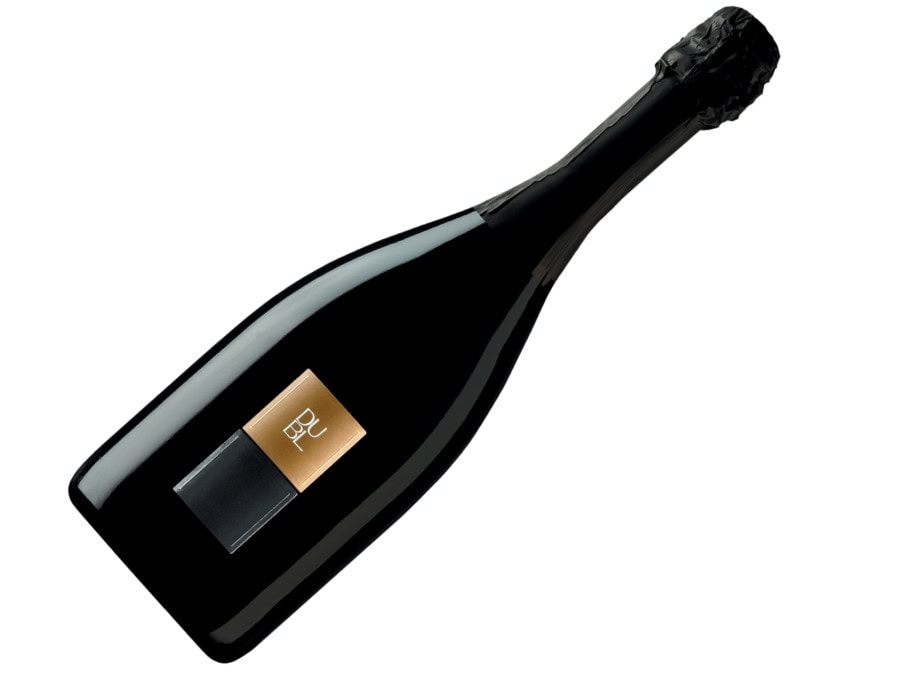
Earlier this year, Feudi di San Gregorio launched its distinctive Dubl (above) – a classical method sparkling wine based on the greco grape and sourced from high-altitude vineyards in Campania – in the UK, while Bottega bridges prosecco with traditional sparkling varieties with its Venezia DOC wine Bottega White Gold, produced between Treviso and Venice from a blend of glera, chardonnay and pinot noir.
The biggest risk for prosecco is that it might generate boredom and apathy through its sheer ubiquity and – in the minds of some consumers — homogeneity. The most obvious ways to subvert this are through the generation of strong, authoritative, lifestyle-oriented brands – Michele Zonin’s preferred strategy – and the reinvention of prosecco as the source of higher-end wines.
Valdobbiadene, Asolo, ‘Rive’ wines (a reference to the best vineyards’ steep slopes) – these are the provenance-rich enclaves capable of elevating prosecco to new levels of quality and consumer perception. Beyond Masi’s Canevel bottlings, Bottega’s Prosecco Rive comes from the company’s own vineyard in the steep hills of Col San Martino, and Sandro Bottega also sings the praises of the distinctive aromas of Asolo proseccos (Bottega Il Vino dei Poeti Asolo Prosecco), standing apart from Conegliano and Valdobbiadene examples. Meanwhile, Henkell Freixenet covers a broad range, from DOC Treviso wines up to a Prosecco Superiore DOCG Rive di Santo Stefano.
Peak prosecco? Prosecco fatigue? Camilla Lunelli isn’t convinced. “We rather think it’s a sign of the maturity of the consumer when it comes to bubbles,” she says. “Drinkers appreciate fizz more and more, so they also want to experience wines from different terroirs, different production methods and different grape varieties, exactly as they do with red and white wines.
“Moreover, high-end consumers realise that excellence in sparkling can be found in different regions of the world, not only in Champagne.”
This article is available to Global Drinks Intel members only.
Click below for details on how to join the Global Drinks Intel community.
Already a member?
Log in here to read the article in full.
If you work for any of the following corporate subscribers to Global Drinks Intel, head here to activate your access.
- AB InBev
- Bacardi
- Campari Group
- Diageo
- Moët Hennessy
- Pernod Ricard
- Proximo Spirits
- Suntory Global Spirits
- William Grant & Sons