- Quarterly sales – to end of March – increase 2.6% to US$14.55bn
- Group volumes flat – -0.6%
- ‘Europe, Middle East & Africa’ surges +16.3% by sales value
- US value down 9.1% but spirits-based RTD portfolio up “strong” double digits in volumes
- China dips 2.7% in value on high year-prior comparables
Coming in behind Molson Coors Beverage Co (Q1 sales up 10.1%), Heineken (+9.4%) and Carlsberg (+6.4%), the beer market leader reported a lift in Q1 sales of 2.6% on steadying volumes. The performance, described by one investment analyst today as “bruise-free”, saw continued negativity in the US offset by a 16% top-line lift from the ‘Europe, Middle East & Africa’ reporting region.
‘Asia Pacific’, home to most of the markets driving growth for the beer category, came in flat at -0.5%.
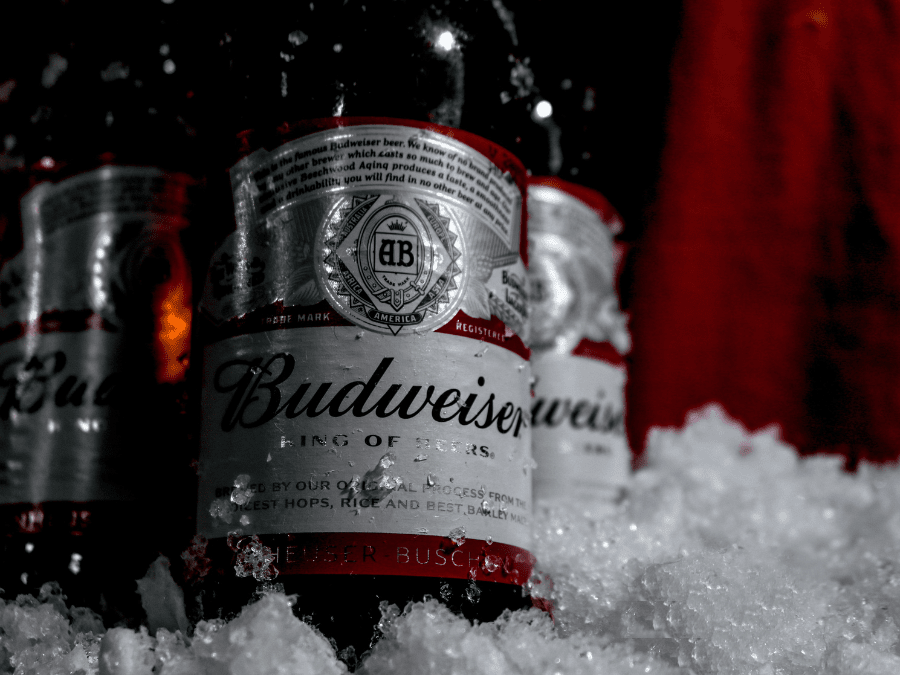
Outside of their domestic markets, Budweiser (whose domestic market is the US), Corona (Mexico) and Stella Artois (Belgium) impressed, with combined sales climbing by 15.5%. The brand owner noted that Corona, which will sponsor this summer’s Olympic Games with its Cero alcohol-free extension, led the performance of its “megabrands”.
Elsewhere in the portfolio, sales from ABI’s ‘mainstream’ brands increased slightly, by low single-digits, as the no-alcohol beer stable was up by a high teen level, thanks to both Corona Cero and Budweiser Zero. ‘Above core’, which consists of what the company calls “local megabrands” such as Leffe in Europe and Spaten in Brazil alongside the big three, grew its collective sales by a low single-digit rate.
Of note to the wider beverage alcohol industry will be the performance of the ‘Beyond Beer’ division, where ABIs spirits-based RTDs and flavoured malt beverages continue to deliver positive sales, although the “malt-based seltzer industry in the US” appears to be softening, according to the quarterly results commentary.
Speaking exclusively to Global Drinks Intel in Belgium last month, ABI’s global VP of corporate affairs, Andres Peñate, claimed the beer category is in a stronger position than both spirits and wine to capitalise on the consumer trend towards moderating alcohol levels.