Always the life and soul of the party, rum has made no secret of its desire to mingle with the more serious crowd rather than just be known as the ultimate mixing guest – and it looks like the category’s invitation to the top table may have finally arrived.
IWSR puts total global rum value in 2023 at US$18.8bn, with ultra-premium-and-above accounting for less than 0.5% of volumes and 3% of value. Nonetheless, IWSR predicts that between 2021 and 2026, premium-plus volumes will climb by a CAGR of 6%, with value increasing by a CAGR of 6.5%. It’s little surprise, then, that independent producers and multinational brand owners alike have been looking to their aged rum reserves and experimentation to create expressions that can, at the very upper ends of the price scale, command five-figure prices.
That said, many rums at the luxury end – defined as a per-bottle price of US$40+ – are well within the grasp of the aficionado. From cask finishes to limited-edition vintages and rare flavour expressions, there are plenty of brands that are targeting the serious sipping and cocktail occasions rather than the party punch bowl.
Attempts to take rum into the higher echelons of drinking culture are nothing new, so why is there such a current boom in quality diversification in portfolios? An evolving consumer set is the reason given by many, with younger drinkers more willing to experiment and to try different expressions of well-known brands, as well as rums from beyond the category’s more traditional heartland of the Caribbean.
Havana Club International CEO Christian Barré is among those who have seen increased consumer interest in quality and craftmanship. “As brands compete to inspire these drinkers and broaden their appeal among rum connoisseurs,” he says, “we’re witnessing a wave of new production techniques like unique barrel-ageing and cask-finishing innovations.”
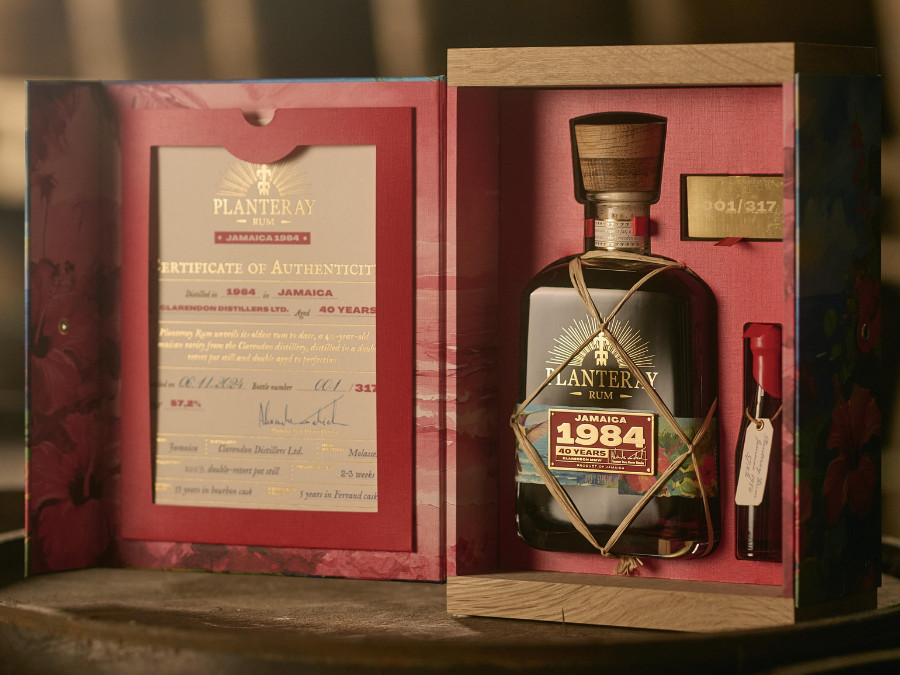
Alexandre Gabriel is founder & master blender of Maison Ferrand-owned Planteray Rum, which recently released a highly-limited-edition 1984 Jamaican rum (below) from Gabriel’s personal collection, with just one barrel producing 317 bottles. He believes that rum’s luxury segment provides the “opportunity to offer consumers more than just a drink”.
He explains: “It’s about taking them on a journey, exploring beautiful flavours. People are craving this adventure, and with Planteray Rum we can provide it, because of years of research, learning and sharing. By studying ancient methods and combining them with modern knowledge, we create expressions that are true to the heritage of their terroir – each one precise, unique and unforgettable.”
Global demand drives geographic diversity
While the US remains rum’s major market, thanks in part to its proximity to the Caribbean, consumers with a desire to seek out quality and to experiment are increasingly broad in their geographical spread, especially as the production of high-quality rums is increasing outside the Caribbean.
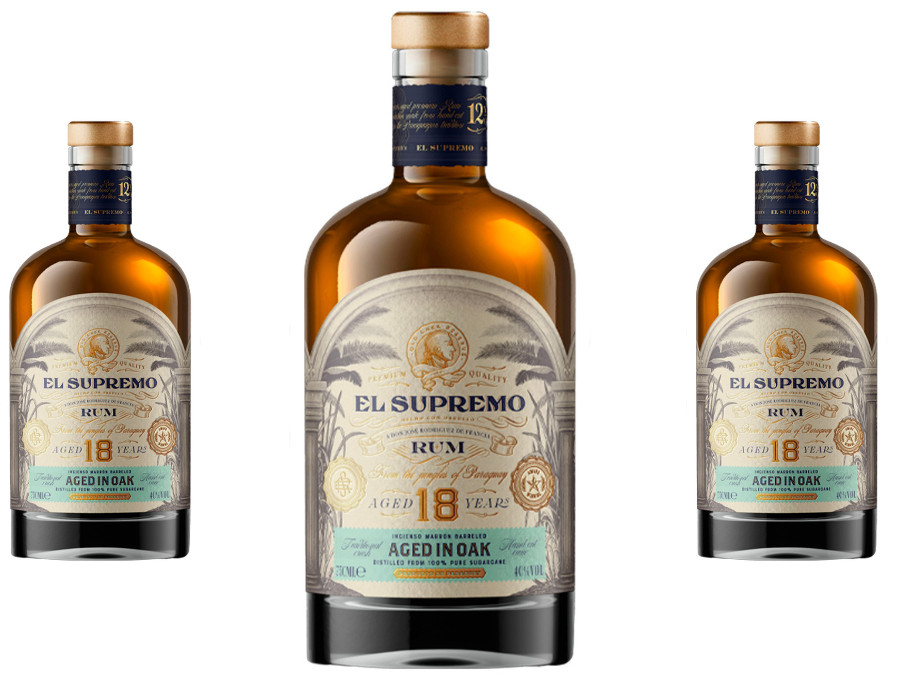
Bernard Lim, MD of Paraguay’s El Supremo, which recently added an 18-year-old agricole rhum (below) to its portfolio, sees demand flourishing particularly across Europe, North America and Asian markets. “Spain, Italy, France and the US are at the forefront, with rising interest in Japan, Hong Kong and Singapore as well,” he says. “Many consumers, seeking alternatives to whisky/whiskey, are drawn to rum’s complexity and diversity.”
IWSR‘s head of status spirits insights, Guy Wolfe adds: “Greater diversity of product should be positive for the category, as long as it is of high quality. The rise of New World whiskies – Australia, Taiwan, India, China, etc – along with their increasing reputation and ability to create buzz and attract new consumers, is possibly a good parallel.
“The consideration is that each country has its own characteristics and regulations, so education is key so that consumers understand what they’re drinking and what sets it apart from rums from other countries. Done properly, this can inspire a connoisseurship that will help drive the category forward.”
Lack of regulations: Marketing barrier or innovation driver?
Those regulations – or the widely-perceived lack of them – are a sticking point for some when it comes to marketing at the luxury end.
“With the rum category’s limited global regulations, producers have creative freedom in ageing, finishing and blending, allowing traditional and innovative flavours to coexist,” says El Supremo’s Lim. “However, producers must uphold transparency and quality standards, ensuring discerning buyers can trust their choices.”
Another big name in the agricole arena is Spiribam’s Rhum Clément, which plays in two luxury segments: annual releases under its Clément Private Cask Collection and the limited (1,330 units) Cuvée Robert Peronet, created by the former cellar master before his retirement.
Spiribam’s marketing & brand advocacy director, Audrey Bruisson, welcomes what she calls “more curious luxury rum drinkers”.
“Once in, those consumers will continue to navigate the category, refine their personal tastes, improve their rum knowledge and eventually be interested in our rum expressions as well,” she says. “We saw this in France in aged rum ten years ago, with the introduction of Latin- and English-style rums into a market that was originally French-style focused [rhum agricole]. Even though it was at a more mainstream price positioning, it helped the overall category to grow and to become more attractive.”
Bruisson warns, however, that the lack of overall regulations globally makes it harder to market luxury rum. “When navigating the luxury rum market, consumers are looking for two key assets: transparency and brand image,” she explains. “At this price level, it’s crucial for consumers to understand what they’re buying and why a certain origin, technique or certification makes a rum more expensive than others.
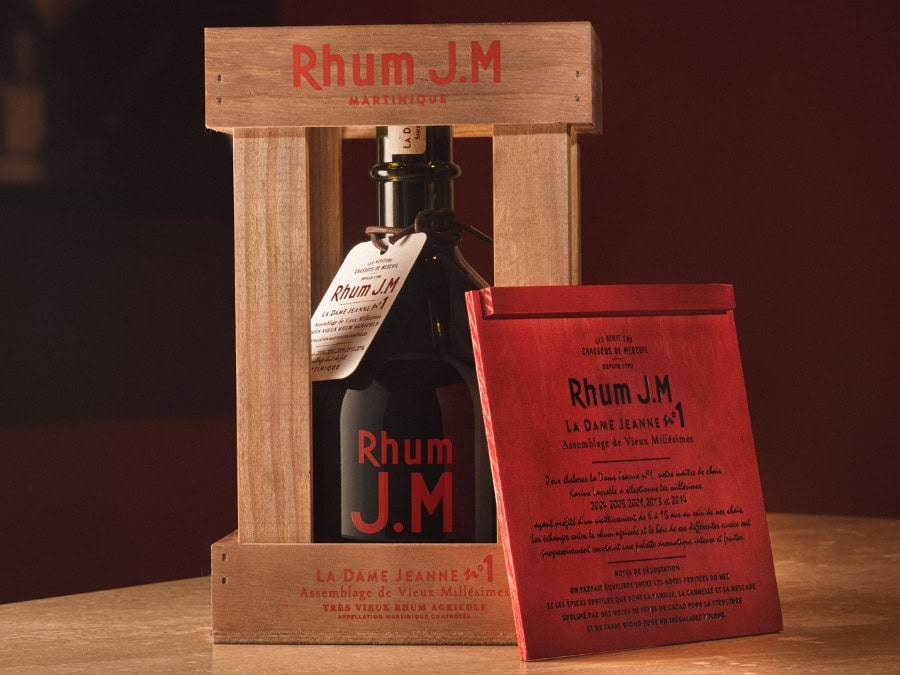
“For example, with our Dame Jeanne from Rhum J.M (below), a very limited-edition blend of AOC Martinique rhum agricole aged from eight to 22 years in oak barrels, we have precisely detailed the components and ratio of the blend to communicate its scarcity to the end consumer.
“With the lack of overall regulations known globally by every rum drinker, sometimes only describing the liquid isn’t enough. To overcome this barrier and still appeal to luxury rum consumers, brands must also work on improving their luxury brand-building.
‘This mission either takes a very long time for smaller brands who can only afford to educate their audience step by step, or big budgets to strongly broadcast this message globally. That’s why the category is dominated by big international brands, rather than small craft and local brands.”
Transparency is key to build consumer trust
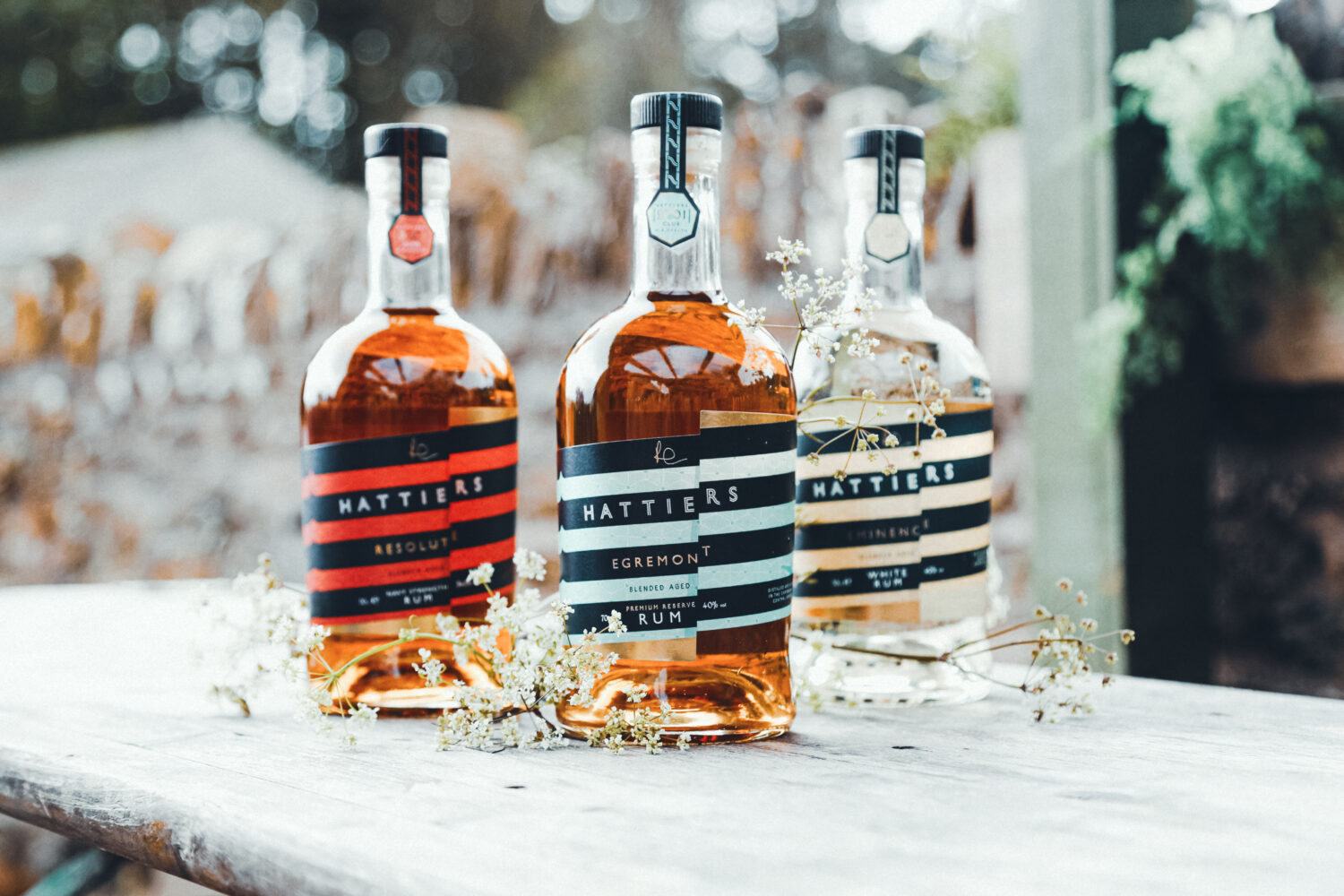
The founder of the UK’s first B Corp-certified rum, Hattiers, Philip Everett-Lyons, agrees: “The flexibility in regulations globally allows for more creativity and innovation in rum production,” he says, “giving brands room to experiment with unique blends, ageing processes and flavour profiles that distinguish them in the luxury market.
“However, this lack of standardisation can sometimes lead to consumer confusion, especially among those accustomed to highly regulated categories like whisky/whiskey. To address this, brands such as Hattiers are emphasising transparency in production processes, provenance and quality standards, which is helping to build consumer trust and loyalty, despite the regulatory diversity.
“This is a long road to walk down and eventually I suspect there will need to be regulation to support the category.”
Havana Club’s Barré welcomes new entrants to the category “as it proves rum’s dynamism and encourages innovation, which is always positive”. But he also agrees there are challenges, which come “when producers don’t communicate the regional variations within the category”.
He says: “All our rums hold a Protected Designation of Origin for Cuba, which reassures drinkers they’re buying a sophisticated product that has met minimum age requirements and is produced from raw materials sourced on the island.”
As to the consumption occasions driving demand for higher-end rum, IWSR’s Wolfe says: “We have certainly seen whisky/whiskey drinkers experimenting with rum as they explore new categories, but they are by no means the only ones.
“At the luxury end, most product will be sipped or used in high-end cocktails rather than mixed. There is definitely a collector’s market at the very upper end, with certain limited editions and products from ‘ghost’ distilleries much sought after. But this secondary collector’s market is much less developed than that of scotch, for instance.”
With so much willingness by producers to innovate and consumers to sip in the lap of luxury, rum’s star is certainly in the ascendency.
This article is available to Global Drinks Intel members only.
Click below for details on how to join the Global Drinks Intel community.
Already a member?
Log in here to read the article in full.
If you work for any of the following corporate subscribers to Global Drinks Intel, head here to activate your access.
- AB InBev
- Bacardi
- Campari Group
- Diageo
- Moët Hennessy
- Pernod Ricard
- Proximo Spirits
- Suntory Global Spirits
- William Grant & Sons