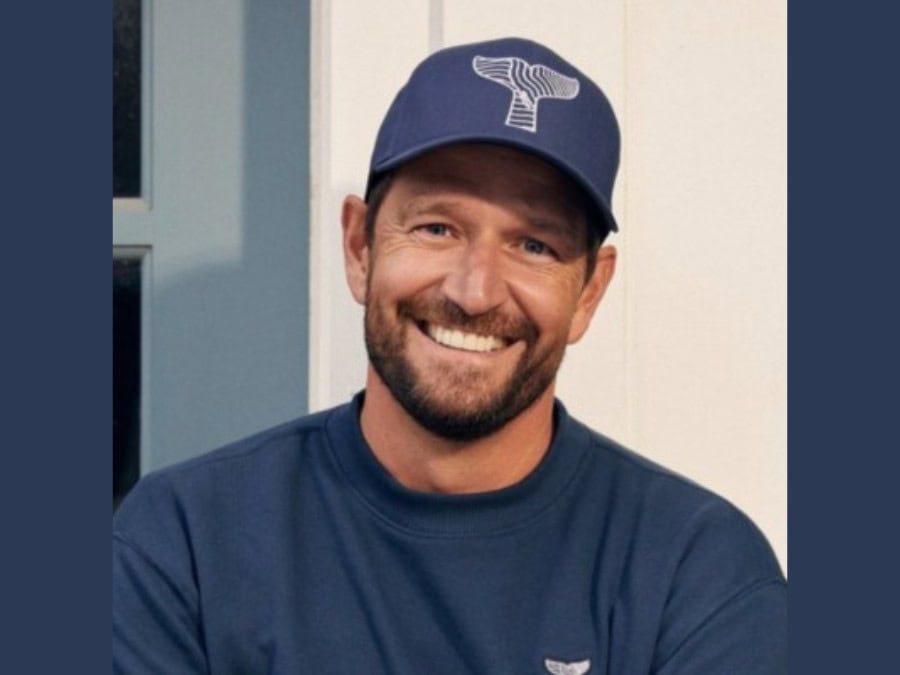
In 2018, Marsh Mokhtari made the jump from TV host to drinks entrepreneur, co-founding Californian gin brand Gray Whale with his wife, Jan. A 50% stake sale to Deutsch Family Wine & Spirits followed in 2019 after which the Mokhtaris exited outright in mid-2024. Last month, Mokhtari (below) sat down with Global Drinks Intel editor Olly Wehring to fill in the gaps of Gray Whale’s rise and subsequent transition to new ownership.
Could you introduce yourself in one sentence?
I started a booze company and happened to sell it, so I’m batting 1,000, while at the same time, I’m a fish out of water with major imposter syndrome.
What prompted you to set up Gray Whale?
Ten years ago, I’d been hosting TV shows for a number of years and my wife was a creative director in advertising. I was out of work more than I was in work, and I never knew where my next paycheck was coming from. We were both keen at the time to create something bigger than ourselves that could also take care of the kids – we have two daughters. At that time, the ‘ginaissance’ was going off in Europe, but we recognised there wasn’t really a quintessential American gin.
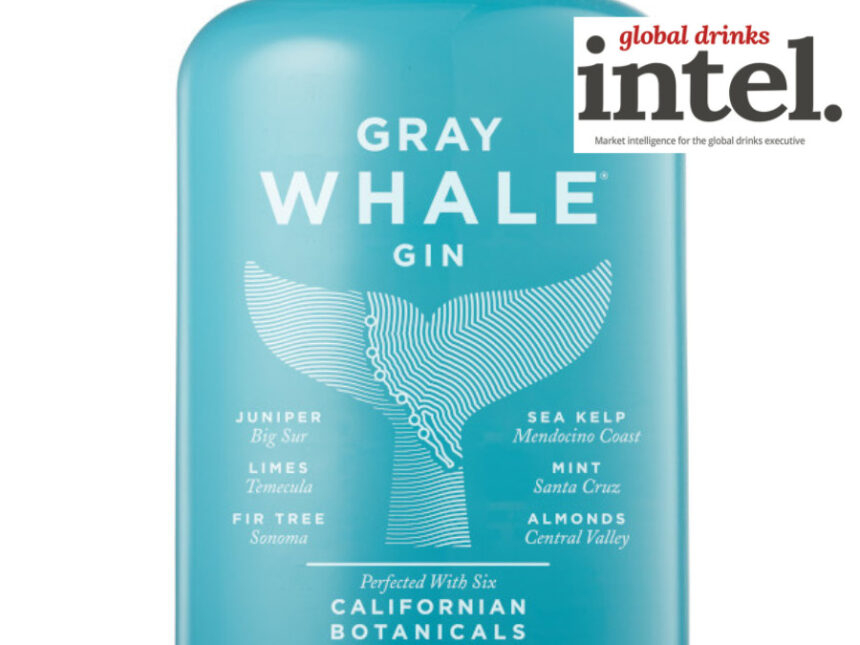
Also in 2016, our family were on a camping trip in Big Sur, California, where we saw grey whales – they have their babies in Baja, California, then migrate up to the Arctic and back. Our thinking was, what says ‘I love you, America’ more than a creature that literally hugs our coastline? That’s where the brand name comes from, with all the botanicals being sourced along that migratory path. We also made ocean conservation a part of the story.
You had no previous experience within the alcohol industry.
That was a definite pro, because we put things in our gin that weren’t being put in gins, like seaweed and almonds. I came at things almost from a chef background.
Being a fish out of water also allows you to take big swings. Uber is a great example, taking on a taxi industry that felt like it had been around forever.
Now we have some grey hairs, though, and we know what works – and what doesn’t – in this industry.
When did Gray Whale launch?
It took two years for us to figure everything out. I learned how to distil – I have a medical physics degree and I used to host a show called Extreme Chef on the Food Network! We ended up not setting up a distillery: We didn’t have US$2m to start one, and we felt our focus was better put into the brand than in a physical factory.
What scale did the brand grow to?
In our first two years of research & development, we had a very ‘open-source’ approach, visiting lots of distilleries and speaking to lots of founders. We were told if we sold 500 nine-litre cases in our first 12 months, then we were doing okay. A thousand cases meant you were a unicorn.
We launched in April 2018 and within six months, we got a call from one of the biggest strategics in the world. Then another one. Then, nine venture capitalists started calling.
That first call was from Diageo, asking how we’d captured 3.5% of California’s gin market in just six months. We didn’t have access to this data, so I didn’t know we’d achieved that! All I knew was we’d hit 1,500 cases in our first six months.
I put that down partly to concentrating only on California to start. We’d been told that if you get into a state and can’t physically support it, you’ll end up with product just sitting on shelves. You’ve got to earn the right to go into new states.
We believe in focusing on your superpower and using it often, and outsourcing everything else. I concentrated on sales, while my wife was still full-time at her advertising job. Six months in, we hired one brand ambassador – a 6′-4″ surfer/bartender with long hair and an outgoing personality. He embodied the Californian lifestyle positioning of Gray Whale.
The second state we went to was Connecticut, to see if people were only buying our gin because it had a map of the west coast on the bottle. Connecticut’s small enough that if you mess things up there, then no one’s going to really care! In about five months, we’d captured 6% of the state’s gin market.
When we fully exited in May 2024, Gray Whale was the number one ultra-premium American gin in the US. In the space of 12 months, we’d gone from two states to 50 and to nine countries very quickly after that.
Why did you sell up completely (Gray Whale was acquired outright by Deutsch Family Wine & Spirits after the company first bought 50% in 2019)?
Before we started Gray Whale, my wife and I agreed on a number that would cover buying a bigger house, taking care of our parents and creating a nest egg for our kids that meant we wouldn’t become a burden on them at some point. The number was in the teens of millions and felt both tangible and attainable.
The first offers we received were in return for more than 50% of the company – we were only six months old! If we hadn’t already agreed on a number, maybe ego would have got in the way and we’d have said no.
I’m a big believer in manifestation. If you don’t believe, you can’t really achieve.
When Deutsch made an offer for half of the company, we decided to go for it. We didn’t know at the time how to protect ourselves in terms of deal structure, so we hired investment bankers and lawyers. We could have held out for a much better deal, but I’m very happy to say we crushed the number.
Check back on Global Drinks Intel later this week for part two of this exclusive interview
Members-only intel
Keep reading this members-only article – and every one like it
- ✓All paywalled news and interviews
- ✓Category and market data
- ✓Monthly GDI magazine
- ✓Full archive + daily newsletter
Secure checkout · Cancel any time · Company invoices available
Already a member? Log in
See all plans, incl. 10-reader and corporate
Check if your company already pays for you Your company may already give you free access.
Corporate subscribers: AB InBev, Bacardi, Campari Group, Diageo, Moët Hennessy, Pernod Ricard, Proximo Spirits, Suntory Spirits Group, William Grant and Sons.
Activate company accessNot ready yet? Get the headlines free in our daily newsletter.
Sign up free