Here it is, then: The closest thing to a ‘transformative’ deal that we can expect in global spirits. And, given the new owner’s M&A track record, maybe a guide for what’s set to shine in the years to come?
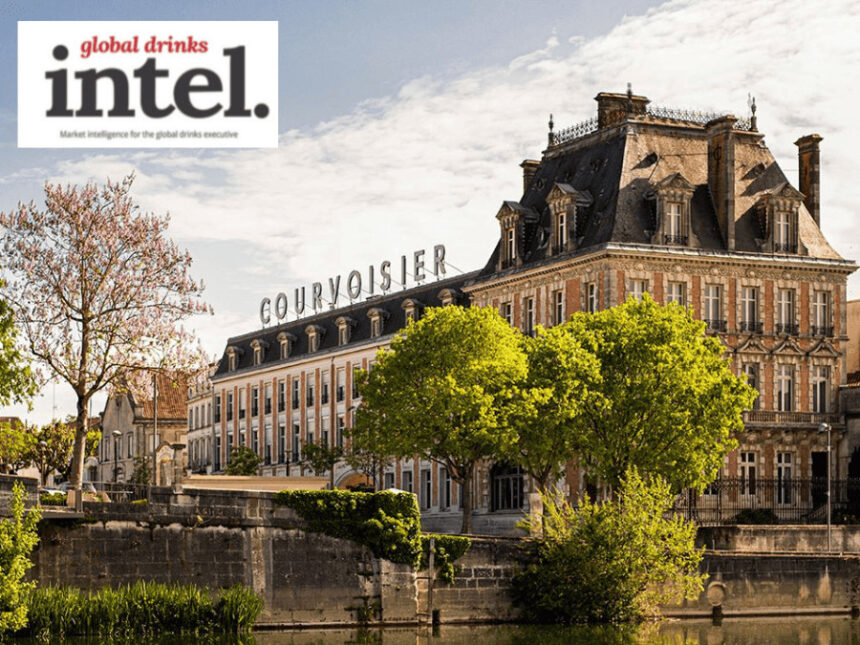
Late yesterday, Campari Group announced its intention to acquire the Courvoisier cognac brand from Beam Suntory in a deal worth a shade over US$1.3bn. The purchase, too big in cost and name recognition to be dubbed a bolt-on, is being trumpeted by Campari as the biggest in its history.
One could be forgiven for thinking Campari is being brave in upping its exposure in a spirits category that has hogged the headlines in 2023 for all the wrong reasons: Cognac has had a torrid year after recovering from the pandemic at breakneck speed, falling back drastically and prompting some alarming responses from the leading brand owners.
First, a look at the lay of the land. Cognac is dominated by the so-called ‘big four’. Leading the pack is Hennessy, owned by LVMH’s Moët Hennessy unit [which is itself 34% owned by Diageo]. The brand accounts for 42% of the category by value, according to investment analyst Bernstein, way ahead of Pernod Ricard’s Martell, with 26%. Third is Rémy Cointreau’s Rémy Martin at 16% value share, while Courvoisier accounts for only 5%.
Any pessimism about cognac’s prospects moving forward will depend on your view of the category’s current landscape – which is pretty bleak. The longer-term prognosis, however, looks much healthier, based on a 7.1% rate of value growth over the last decade, which, Bernstein notes, “has been above the global spirits industry [rate] of 5.5%”.
Naturally, Campari CEO Bob Kunze-Concewitz is optimistic: “This year, cognac players have had a problem because there was scarcity during the pandemic,” he said on a post-announcement conference call yesterday, according to the Financial Times. “So, distributors built stock . . . inflation and interest rates rose and players increased the prices. The macro scenario crisis affected consumption and distributors ended up with large stocks.
“People have a short memory,” he added. “Cognac in the US is now a lot more popular than it was before the pandemic, in spite of the [current sales falls].”
Backing up the belief that Campari knows what it’s doing here is its M&A history, which consists primarily of seeking out what one analyst calls “dusty, unloved brands at the right point in the cycle”. Rewind almost 15 years ago, and the group’s purchase of Wild Turkey bourbon from Pernod Ricard matches this description. While Pernod Ricard was working at the time to get on top of its post-Absolut acquisition debt pile, Campari stepped up for the right brand at the right time. So much so that, speaking to Global Drinks Intel earlier this year, Kunze-Concewitz agreed the deal had been a career-high. “Buying Wild Turkey was about getting into the bourbon category before it took off – at a [EBITDA] multiple of 12x, which was incredible,” he said. “It was a great brand with great liquid, but very dusty.
“If you look at it now … it’s a completely different brand.”
A question doing the rounds today, then, is why: Why has Courvoisier been deemed surplus to requirements for Beam Suntory? The US-based group isn’t commenting further than yesterday’s statement, which read: “This is about sharpening our focus and resources on our core areas of strength within our portfolio so that we can accelerate growth in those areas.”
That said, a lot has changed at Beam Suntory since it bought the brand – again from Pernod Ricard – way back in 2005: For a start, the group is now owned by Japan’s Suntory Holdings and not part of a multi-industry conglomerate. At the same time, the Cognac region has always felt a long way from both New York and Tokyo. A change of CEO, meanwhile – welcome Greg Hughes, who’s only been in post since October – always prompts a stock take of sorts.
In beverage alcohol, every time a brand changes hands, both parties describe the move as a win-win. For all its size, scale, potential and profile, then, Courvoisier is no exception.
Dips in developed, bounces in emerging – How is Cognac weathering 2023? – Category Intel