

It isn’t the allure of London Underground’s off-peak fare Friday offer that’s enticed me into Impero HQ – I left my laptop there by mistake. I’m pretty much the only one there, other than the cleaner, who arrived early to tidy up the place, ready for a pitch on Monday.
On the way in, I passed by the local pub, which proudly advertised their Friday happy hour drinks at 5pm. As I tapped out the finishing touches to the pitch deck, the offer seems more like a desperate plea rather than a moment of excitement.
Strategically speaking, the concept of fixed drinking occasions was fading long before Covid-19 could be blamed for killing the office crowd. For a while now, I’ve preached the benefits of a mood-based drinking repertoire rather than fixed occasions. If you’re as baffled as I am that every single drinks brand seems to have a different consumer profile, but by the law of diminishing averages, the likelihood of them being unique is next to zero, you may also have the unsettling feeling that a lot of marketing approaches are based on a flawed idea of how people drink.
Consider my slightly sensible viewpoint for a moment: imagine that the vast majority of consumers are, in fact, the same people who select a drink based on a specific mood that they feel. It could be the same person drinking a can of Red Bull on the pavement in the afternoon as ordering a highball serve of whisky in the late evening.
Any reasonable person can see that we are all repertoire drinkers, but when it comes to marketing, we delude ourselves with the idea that our consumers possess some unique traits. If we look at the fundamentals, though, we’re just people wanting to switch up or down our mood to gain a sense of feeling.
Research from as far back as 2017 shows that different types of alcohol trigger changes in our mood. Wine makes us feel relaxed, while spirits make us feel energised and confident. Lifestyle changes in how we work have certainly encouraged a shift from fixed occasions to mood. Gen Z consumers don’t abide by the same fixed agenda that our Victorian friends dreamt up. With the success of books like The 4-Hour Work Week by Tim Ferriss, the slash career movement has gone mainstream, with everyone having a side hustle.
But it doesn’t stop at work – 24-hour gyms, the ‘rent-don’t-buy’ culture and micro-dosing gaining traction as a way to start your day, all lead to a culture where consumers are not bound by the same fixed occasions that your outgoing CEO might have been used to. Consumers have become accustomed to instant gratification through social media and seek the same instant mood shift now from drinks brands.
Around 220 different moods have been identified through various studies. While I argue – with little by way of scientific proof – that there are unlikely to be 220 sizable consumer segments for major drinks brands to chase, tapping into a mood allows brands to identify with certain need states and find a distinctive place in consumer minds.
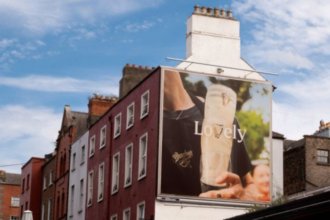
Mood-based drinking strategies are particularly useful for brands based on a provenance story. You don’t need to be in Venice to enjoy aperitivo hour, you don’t need to be in Havana to drink in the rebellious Cuban spirit and you don’t need to be Irish to want a beer ‘made of more’. All these brands have used mood to drive penetration into new markets, leveraging the feeling you get, not a fixed drinking occasion.
Another example is Recess, a functional beverage founded by Benjamin Witte that taps directly into moods with a mantra of ‘Calm Cool Collected’. The brand has a very clear idea of the mood a consumer should feel when they take a sip of one of its hemp- or adaptogen-infused variants.
So next time you’re faced with your “unique customer audience’, simply ask: In what mood should they drink us?