

As the rum category actively segments, consumers are becoming increasingly aware of the creativity, diversity and quality within the premium tier, writes Amy Hopkin
It was not too long ago that rum was broadly viewed as a homogeneous product, spearheaded by a few big brands producing commodity spirit meant for mixing. As a historical spirit with numerous cultural associations and a wide geographic footprint, diversity has always been part and parcel of the rum category. But, for many years, the global consumer base was largely ignorant of rum’s many facets.
In recent times, a notable shift has taken place in the market. As smaller artisanal brands become increasingly popular and larger players ramp up innovation, the category is actively segmenting to showcase its diversity, which in turn is driving premiumisation.
Data from IWSR Drinks Market Analysis shows that rum has not come away from the coronavirus pandemic unscathed: the category’s reliance on on-premise sales meant its global volume fell -8.9% between 2019-20. However, a closer look at the figures reveals different levels of resilience between the price tiers: while standard rum volume declined by -5% in the year, super-premium-and-above rum volume was relatively stagnant at -0.2%.
This is indicative of a wider evolution that has taken place within the rum market, whereby premium-plus is becoming a more powerful and buoyant contingent. In terms of global volume market share, premium rum still only accounts for 2.1% of the category, while super-premium-plus accounts for an even more meagre 1%.
But, crucially, when it comes to consumer mindshare, premium-plus rum is becoming all the more dominant. Indeed, the category has seemingly been reborn, explains Alfonso Roldán, international sales manager at Williams & Humbert, maker of Dos Maderas Rum, which is aged in both the Caribbean and Spain.
“An important change has come about in this category over the past few years,” he says. “Rum has traditionally been seen as the ‘little brother’ of spirits. The category in general was producing rum that was not aimed at increasing added value — fortunately, this has now changed completely. Trends have changed, such as the decline of white rum in favour of dark, and, above all, the greatest change has been that the category is focusing on a diversity that contributes value to the spirit.
“It may therefore be said that rum has become one of the most active spirits within the wine and spirits sector, undoubtedly something that the consumer is beginning to appreciate.”
Diversity part of rum’s ‘DNA’

Matthieu de Lassus, export director at rum specialist Spiribam, believes this dramatic change has not occurred by chance. “Rum producers and brands have done a tremendous job over the past decade changing the cheap, commodity spirit image that used to stick to the category,” he says. “The proliferation of rum festivals, masterclasses, tastings, distillery visits, exclusive releases, geographical identifications and legal definitions have contributed strongly to this new quality image.”
De Lassus adds that diversity is the “DNA of rum”, which today is expressed in various ways, such as through terroir (how the natural environment affects the spirit’s base ingredient), fermentation and distillation methods, cask ageing and flavouring.
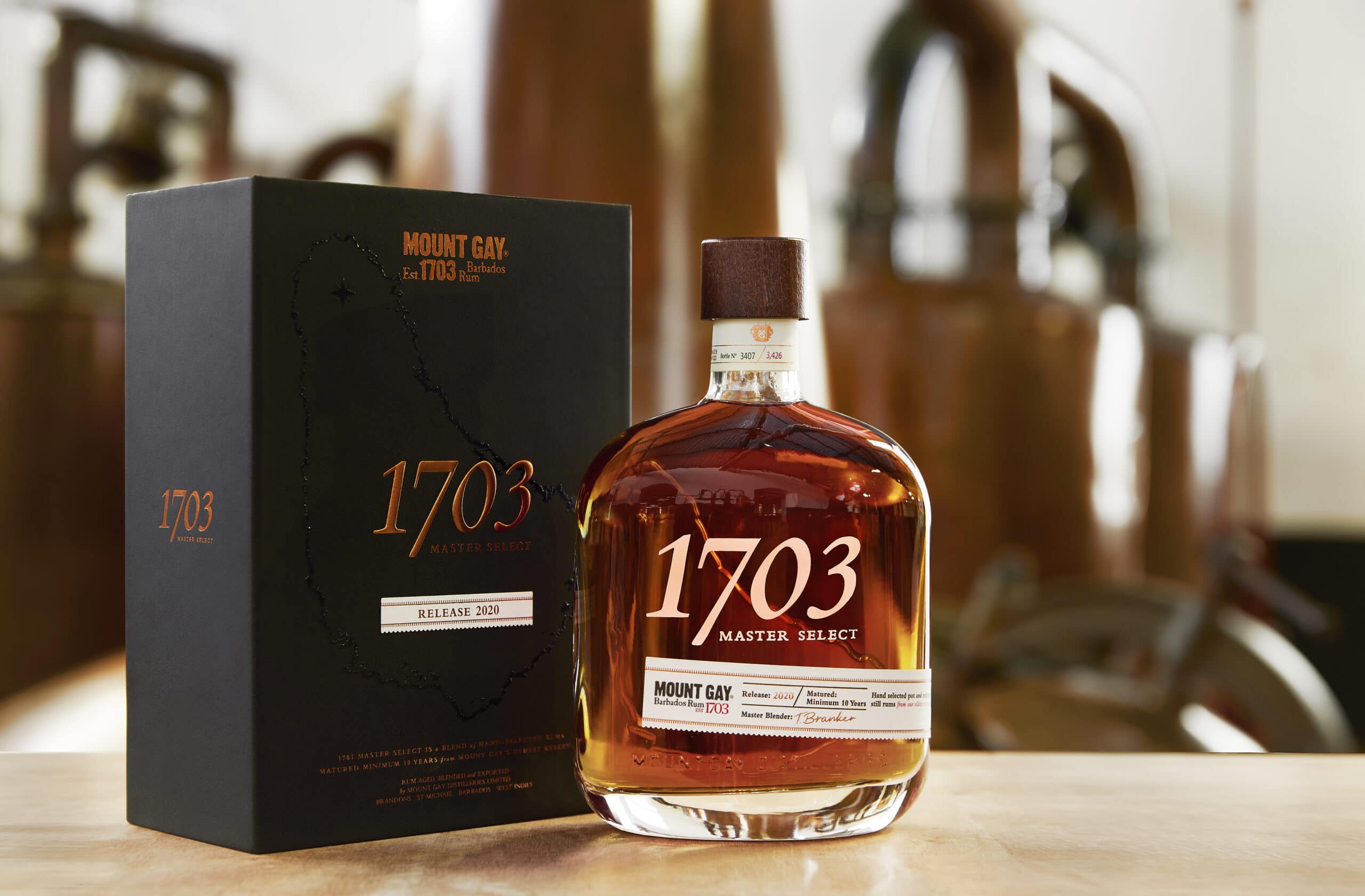
With so much diversity to showcase, segmentation is becoming more prolific as brands structure their ranges according to style, price and even occasion. According to Raphaël Grisoni, managing director of Mount Gay Distilleries in Barbados, to some extent “segmentation has been around for a long time” in aged rum.
“In 1991, one of our former master blenders, Jerry Edwards, created the XO category and Eclipse [the core Mount Gay expression] was created in the 1920s,” he notes. “For many other historic rum brands, the same can be said for their core ranges. It’s in recent years that spirits enthusiasts have started to dive deeper into the category and discover different styles of rum.”
In addition, he says, “segmentation is also driven by moments of consumption. We think across all drinking moments, whether it’s a celebratory cocktail out with friends, or a quiet night at home sipping in front of the fire, you will need a rum that can be adapted to certain moments and cocktails.”

This view is shared by Marc Torterat, marketing director at Marussia Beverages, maker of Caribbean rum brand Mezan. As consumers learn more about rum and the nuances within it, he says, they are receiving “a greater experience, while enhancing the possibilities of consumption”. He admits that while the dominant trend within the category is premiumisation, there is room for all price points in today’s market.
“Consumers welcome the standardisation of rums, especially for standard-priced rums or affordable cocktails, such as the mojito,” Torterat says. “But they also appreciate the specificities of a provenance or even a distillery when it comes to golden rum, especially old vintages.”
Big versus small
The recent evolution of the category has been spearheaded by large and small players alike. As consumers become more invested in rum, smaller brands that were previously confined to their domestic markets have become coveted worldwide. Meanwhile, bigger brands are responding to changing consumer sentiment and a more dynamic, competitive market with new strategies focused on premium innovation.
“Big brands still dominate the rum market by far. In the UK, the two main brands account for two-thirds of the 3m cases sold each year,” says Spiribam’s De Lassus. “However, the increased availability of small brands combined with their remarkable work in terms of their product offer, marketing and communication have naturally appealed to the curiosity of rum drinkers.
“Many of these small brands are actually historical brands with very strong DNA, traditions and time honoured production methods, which are very important assets when talking to experimental spirits drinkers.” The rampant innovation that is driving so much growth in the category is apparent across all sections of the market. New product development from Pernod Ricard’s Havana Club Rum spans the gamut of innovation: from the flavoured Havana Club Cuban Spiced and botanical Havana Club Verde, to cask finished and high-end expressions.
Importance of innovation
Anne Martin, global marketing director for Havana Club, says that innovation is a core part of the brand’s strategy to target millennial and Gen-Z LDA drinkers.
“In recent years the rum category has accelerated thanks to product innovation and experimentation around the richness and diversity in styles and flavours,” she says. “For us, this is key to category growth as it enables rum to establish itself as a truly multifaceted spirit that can be enjoyed by all, whether that’s in a mixed drink or as a credible alternative to high-quality dark sipping spirits.
“Naturally, this evolution has highlighted the wealth of styles and origins that exist within the category, providing consumers with a story of provenance and heritage often associated with other premium spirits categories.”
That is, namely, whisky and Cognac. Martin adds: “Innovation and experimentation are crucial for us to offer more diverse products and enable Havana Club to continue pushing the rum boundaries, by offering consumers new drinking experiences of genuine quality.”
Likewise, Filipino rum brand Don Papa has branched out into cask-finishing to “showcase the brand’s signature DNA with different styles,” says brand manager Jo Kennedy. “For instance, our Don Papa Rye last year, which was a huge hit with whisky drinkers as well as pre-existing fans of our signature rum, who were looking to explore something new.” Innovation that veers into the terrain of other categories is a well-known strategy in spirits to recruit new consumers, and rum is experiencing great success with such innovation.
This year, Don Papa will showcase the influence of Port casks in its newest expression, created to commemorate the quincentenary of the circumnavigation of the globe, which led to the Philippines’ first exposure to the West. Premium rum innovation often follows this ethos, aiming to offer consumers something new while staying true to the culture and story of the brand.
“Premiumisation is driven by barrel experimentation, ageing and provenance,” adds Kennedy. “Many producers are going deeper in terms of complexity of styles to create new and intriguing liquids, and bartenders are showcasing them in innovative, elegant cocktails. Continuous experimentation of styles and hybrids will continue to drive interest.”
As rum’s diversity is increasingly expressed through new innovation, there are now copious brands vying for market share and mindshare. But do they get enough exposure on shelf? Walter Aguilar, global commercial director at Ron Cihuatán, thinks not.
“We can find boutique rum-only stores in many countries like Germany and France, but in some retail chains and in most airports we see a complete discrepancy in the allocated space of whisky versus rum,” he says. “Most stores do not even have a few rums of agricole, British and Spanish styles. Very seldom you find these three basic styles in most stores.”