
- Downbeat forecast – Economic pressures and the cost of living crisis are projected to trigger a 1% volume CAGR decline for total spirits in Italy over the next decade
- Brands sell-off – Italy has seen a high level of M&A activity over the past year, with Campari Group shedding smaller legacy brands to focus on its global portfolio
- Aperitivo slowdown – The Italian aperitivo occasion is slowing under cost pressures, but the category remains dominant, accounting for a third of spirits volumes
- Niche categories thrive – Smaller spirits categories are catching the eyes of younger LDA consumers, most notably world whiskies, RTDs and agave spirits
The Italian spirits business is facing many of the headwinds impacting other European markets. The sobering line-up of challenges includes the stubborn cost-of-living crisis affecting so many LDA consumers across the continent, rising costs, shifting consumption habits and tighter regulatory controls on packaging.
Yet Italy’s large on-premise channel, its influential aperitivo social-drinking culture and fragmented supplier base, made up of multiple family-owned producers and brand owners, make the country a unique case study.
Over the next nine years through to 2035, according to IWSR, Italy is projected to experience a spirits volume decline of CAGR -1%. A small crumb of comfort is that, unlike its European peers, such as Germany, France and the UK, Italy’s total spirits value is forecast to remain flat over the same period, driven by resilient, premiumisation trends in specific categories such as tequila, vodka and RTDs.
For many suppliers, business is tough, requiring a watchful eye on costs, inefficiencies and waste. “During a period marked by rising production costs and supply chain disruptions, we’ve focused on strengthening supplier relationships and diversifying sourcing options to improve resilience,” says Perlino marketing manager Elena Branda.
She explains the La Martiniquaise-owned leading producer of Italian vermouth and sparkling wine has also “optimised production planning and inventory management to increase efficiency and reduce waste”.
Campari Group sparks M&A activity
IWSR’s top-line figures for Italian spirits suggest a placid, mature market, yet there has also been a high degree of M&A volatility over the past year, with smaller cash-rich firms looking to build their overseas footprints.
After a multi-year buying spree, Campari Group, the country’s biggest spirits player, has been at the heart of the action, embarking on a strategy of selling off its smaller legacy brands to focus on building its larger international portfolio.
In June last year, Caffo Group 1915, the Calabrian owner of one of Italy’s best-selling herbal liqueurs, Vecchio Amaro del Capo, acquired Cinzano Vermouth and Frattina Grappa from Campari for EUR100m (then-US$116m). Over the previous four years, the brands had combined annual sales of EUR75m and a CAGR of 5%. Caffo CEO Sebastiano Caffo described Cinzano as an “iconic and historic brand” and said the acquisition would accelerate international expansion, expanding the company’s reach by over 100 markets “immediately”.
A year later, Disaronno Group completed a EUR100m purchase of Amaro Averna, a sweet Sicilian aperitif, and Zedda Piras, a traditional herbal Sardinian liqueur, both Campari regional brands. This transaction came only a month after Disaronno Group changed its name from Illva Saronno as part the family-owned firm’s restructure into three core divisions: spirits (trading as Disaronno Group), wines (Duca Wines) and ingredients (Disaronno Ingredients).
Aperitivo trend starts to slow
The bitter and spirit aperitif category remains the dominant sector in Italy, kept afloat by the country’s long-standing, early-evening aperitivo drinking culture and the now globally popular light-alcohol spritz serve, available in myriad variations.
Last year, according to IWSR, the category accounted for a third of Italy’s total spirits volumes, with more than a 40% value share. Yet over the next decade, spirit aperitifs and bitters will only see marginal value growth.
IWSR research director for Western Europe Humphrey Serjeantson explains that Italy remains one of Europe’s biggest markets for low-alcohol spirits, an umbrella category that includes many lower-strength aperitifs. The category is under pressure due to the high cost of living, he warns, but notes there are opportunities for brands to expand into pre- and post-meal windows.
Higher prices in the on-premise are also altering consumer behaviour, boosting RTD spritz-style options and home consumption. The CEO of leading limoncello producer Pallini notes a dramatic shift in attitudes towards RTDs over the past year. “Last summer, our Pallini Spritz cans were turned down by several operators, while we have had direct requests from those same retailers very recently,” reveals Micaela Pallini.
Other companies retain a single-minded focus on Italy’s on-premise.
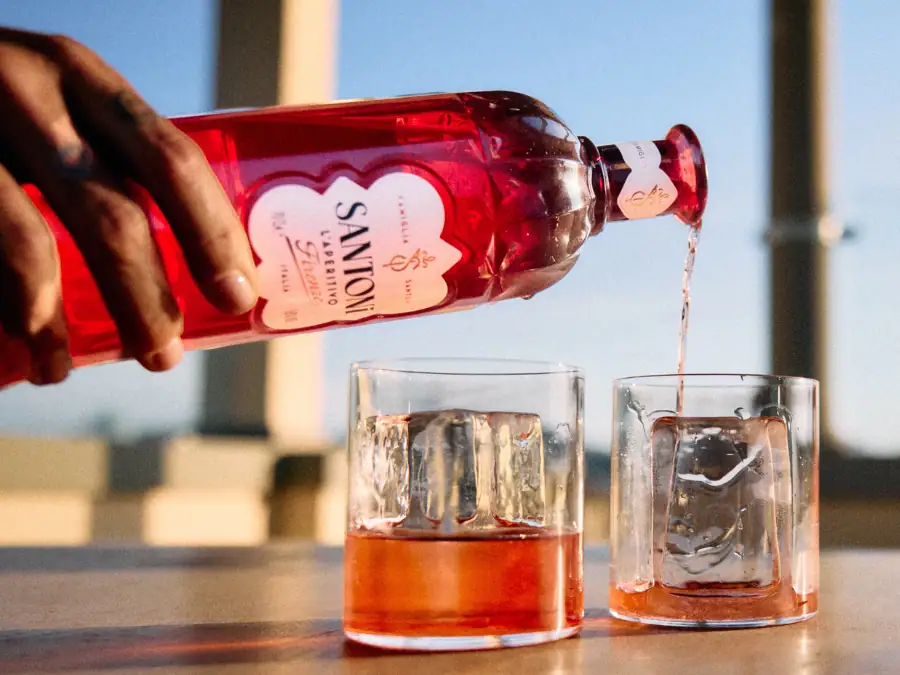
Santoni L’Aperitivo (above), an award-winning ‘dolce-amaro’ liqueur from Tuscany, is eager to secure a bigger share of a channel dominated by multinational players, believing it is still full of powerful “cultural ritual”.
MD Luca Missaglia says: “We aren’t trying to outspend multinational corporations; we’re trying to out-connect them. We believe the future of the aperitivo category belongs to brands that contribute meaningfully to hospitality culture rather than simply occupying shelf space.
“Unlike large brands that focus on volume and visibility, our approach is rooted in value creation. We invest heavily in education, menu development, bartender advocacy programmes and consumer experiences that elevate both the venue and guest experience.”
Market matures for premium-plus gin
The premium gin segment in Italy offers an interesting case study. After the UK, the country is now the second-largest premium-plus gin market in Europe, having grown to half the leader’s size in the past decade.
Since 2023, however, growth in Italy has slowed, and even suffered a small decline last year, according to IWSR. Yet gin’s long-term future looks far from bleak, says Serjeantson, who points to grappa producers pivoting to gin production to boost flagging sales and a ready supply of local juniper, which has boosted the craft credentials of domestic producers.
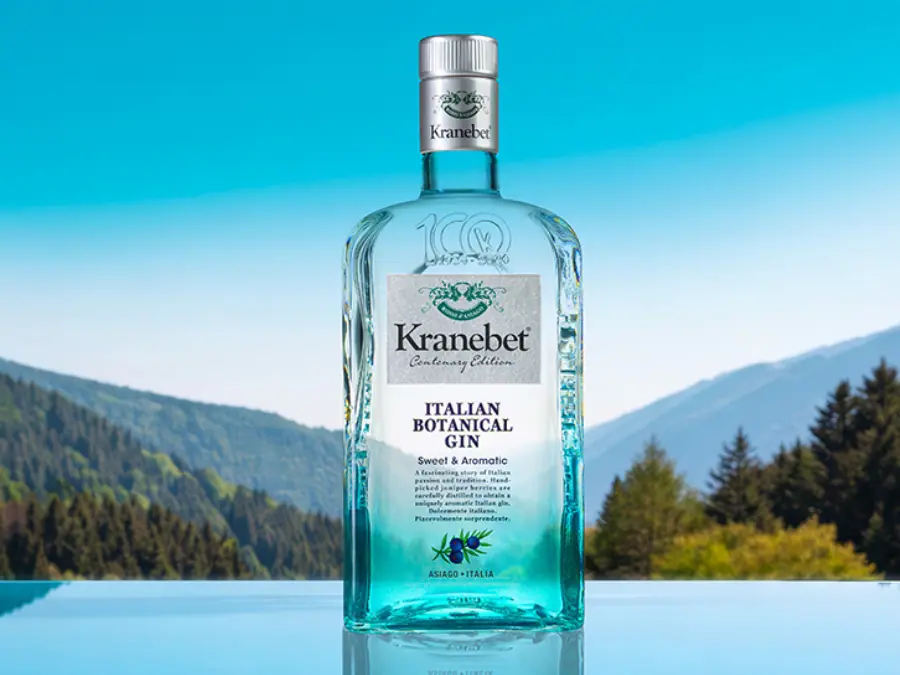
Meanwhile, Rossi d’Asiago is enjoying success with its Kranebet brand (below). Founded in 1924 and made in the Italian Alps, the botanical gin was recently recognised as a ‘Historic Brand of National Interest’.
Rossi d’Asiago CEO Nicola Dal Toso is targeting a younger audience by positioning the brand in the aperitivo slot with a high-profile ‘KranebeTonic’ campaign. “The focus is on driving visibility and trial through refreshing serves and consumer-facing activations that reinforce the brand’s contemporary relevance,” he explains.
World whiskies set for growth
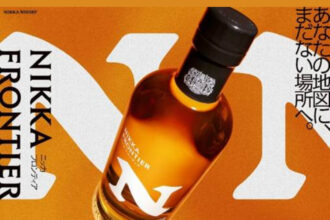
Over the next decade, whisk(e)y faces a gradual volume decline in Italy, heavily driven by contractions in mass-market scotch and US bourbons, which historically held 90% of the market. Whiskies from other countries, trading from a small base, are set to fare better, with Irish, Indian, Japanese and Canadian all tipped for growth.
“Irish whiskey is set to grow thanks to strong brands and a growing presence in retail, as well as increasing interest in single malts, which are emerging from the shadow of blended whiskies and are increasingly being seen as rivals to malt scotch,” says Serjeantson.
“Indian whisky is growing due largely to accessible pricing and increasing availability in retail, but also to a growing recognition of its quality. Japanese whisky has always had a reputation for quality in Italy, and this will continue to drive growth, as will increased exposure among Italians and visitors to Italy to Japanese food.”
Don’t expect the big scotch whisky and American whiskey players to give up on Italy just yet, however. In February, Diageo Italia and Gruppo Montenegro announced a strategic agreement for the Italian company to represent two of the British multinational’s key brands – the flagship blended scotch, Johnnie Walker, and Bulleit Bourbon. The multi-year deal began in April, with Diageo Italia MD Caoimhe McCabe expressing her excitement about the “future development of the whisky category in Italy”.
No-alcohol finally takes off
Italy is a late developer in the no-alcohol stakes, lagging far behind other European markets of similar size and maturity, such as Germany, France and the UK. Serjeantson says the category only started to gain traction in 2022 and its share of the overall market remains “absolutely marginal”.
Nonetheless, the country’s major players are finally waking up to the potential of no-alcohol products, with Branca International, the Milan-based company behind backbar classics such as Fernet-Branca and Carpano, investing in cutting-edge alcohol-removal firm ALTR in March.
Other Italian producers are already bringing no-alcohol beverages to market. Pallini is on the verge of releasing its non-alcoholic limoncello line Limonzero in Italy, while Veneto-based wine and spirits producer Bottega boasts an extensive no-alcohol offer that spans two sparkling wines (Bottega 0 White and Rosé), a lemon-based non-alcoholic drink (Limoncino 0.0) and an alcohol-free bitter (Elixir 0).
Bottega president Sandro Bottega says “younger-generation consumers” are driving interest in no- & low-alcohol products in the country’s on-premise. “We’ve created a mocktail list,” he reveals, noting one of the company’s most popular zero serves is the Bottega spritz zero, a mix of Limoncino 0.0 and Bottega 0 White.
Agave remains one to watch
A final word must go to agave-based spirits, which are growing rapidly beyond the urban hubs of Milan and Rome, albeit from a small base.
“Italy has very high-quality hotels and bars catering to high-spending tourists – and locals – from Florence and Venice to the Amalfi Coast and beyond,” says Serjeantson. “All these areas have excellent bars serving premium-plus agave.
“It’s these high-end bars that are likely to be the key outlet for premium-plus tequila and agave.”