The cream liqueur segment had a mixed year in 2023, but opportunity awaits if brand owners can tap into all-season drinking occasions.
All eyes were on Liverpool. The M&S Bank Arena was pulsating with colour and sound. Performers from 37 nations had descended on the city and fans from many more were in full voice. May sunshine shone down on the fan village, light dancing on the waters of the River Mersey.
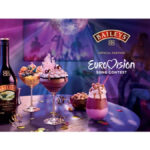
The Eurovision Song Contest was in full swing. And the drink to be seen with? A Baileys.
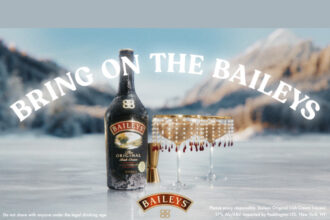
Back in February, the Diageo-owned brand secured a three-year sponsorship deal with the annual spectacle. The partnership came as a surprise to many consumers, while in media circles, the move was widely seen as an effort to broaden the seasonal appeal of a product with strong Christmas connotations. With more than 160m viewers globally, however, the world’s largest live music event offers a platform for Baileys to reach a vast and diverse audience.
“We are huge fans of the Eurovision Song Contest,” said global brand director Jennifer English when the activation was announced. “Baileys and Eurovision together make the perfect recipe for utterly indulgent fun.”
Not everyone, however, sees cream liqueurs as “indulgent fun”. In fact, the category is experiencing wildly mixed fortunes. Globally, cream liqueurs saw 3% year-on-year growth in 2022, according to IWSR Drinks Market Analysis. But this doesn’t show the full scale of the chequered performance. Looking at the top ten markets, the category swings from 6.6% volume declines (the UK) to bombastic 30% gains (South Africa).
The UK is a good example. The second-largest market for cream liqueurs by volume, it should be a heartland for Baileys and its fellow brands. One of the biggest challenges to overcome, however, is seasonality. In a self-conducted survey of 100 people, 82 said they only drink cream liqueurs around Christmas.
The connotation can be challenging for brands. But, as Baileys' Eurovision tie-up and another recent Halloween campaign for the brand shows, the potential for year-round cream liqueur appreciation is there.
Embrace the bartender
For Estonia-based Liviko, driving year-round sales is a key part of the development plan for its Vana Tallinn cream liqueur range. “To attract bartenders, we're always thinking outside the box and want to stand out with our campaigns,” explains Liviko’s export marketing specialist & brand manager, Gloria Hallaste. Competitions and sales motivation campaigns are logical vehicles to keep the brand front of mind all year round. Hallaste cites the 'Vana Tallinn Speed Round' contest, usually held in May, when "bartenders have the opportunity to test their speed, accuracy and skill in making Vana Tallinn cocktails”.
Partnerships with the Estonian, Latvian and Lithuanian sommelier associations also help drive the message. Since 2006, Liviko has co-hosted the 'Baltic Sommelier Grand Prix' competition with the groups, with Vana Tallinn as the headline sponsor.
From a consumer perspective, social media messaging defies the calendar connotations, while activations in both the on- and off-premise channels do some of the work too. “We try to be visible as much as possible,” Hallaste says.
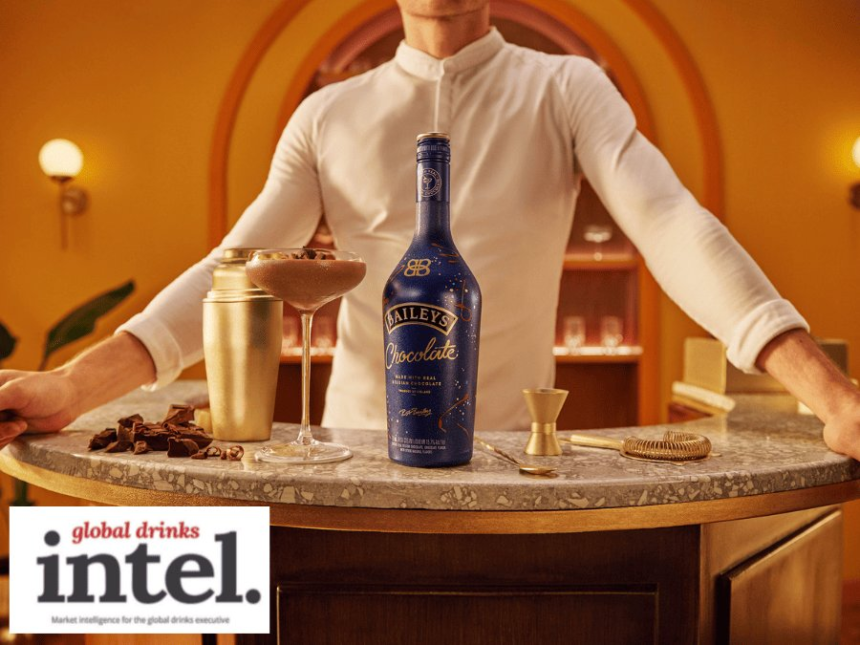
Trend-led flavour extensions are also useful. “We saw demand for coffee flavours, so we created Vana Tallinn Coffee Espresso,” she continues. It’s a smart tactic. Last year, Baileys launched Baileys Chocolate Liqueur in the US in an effort to hack the dessert occasion, which clearly has no season at all.
“Nothing is more indulgent or universally beloved than chocolate,” says Diageo North America's senior VP of marketing for whiskey & liqueurs, Jesse Damashek. “When you pair a popular treat like chocolate with a celebrated indulgence like Baileys Original Irish Cream, you have the perfect combination, which is why Baileys Chocolate Liqueur is such an exciting addition to our portfolio.”
Authentic points of difference
All-season appeal needs to be backed by a robust brand story, and this is where new entrants to the category can make an impact. US-based LS Cream Liqueur, which is billed as the first black-owned cream liqueur, recently won financial backing from Fearless Fund, which supports women of colour entrepreneurs.
“The wine and spirits industries are overwhelmingly male-dominated and women of colour’s stories and legacies are significantly underrepresented,” explains co-founder Myriam Jean-Baptiste. “Fearless Fund’s investment will allow us to scale our business and increase our distribution footprint in the US, while expanding our presence in our current markets.”
The brand is inspired by Haiti’s traditional crema drink - Jean-Baptiste has Haitian roots - which is typically served at family gatherings. Tapping into that messaging pegs the cream liqueur as a year-round treat.
Back in the UK, the USP for Cotswolds Distillery’s cream liqueur is the inclusion of its new-make spirit in the recipe. The team started making the liqueur to generate cash flow as its whisky came of age. “We only wanted to do 10,000 bottles a year, nothing major,” says brand ambassador Rob Patchett. “We’ve ended up doing four times that.” It’s particularly popular with visitors to the distillery and guests at tasting events. “It’s like you’ve just given them pudding for the first time. It’s lovely to see people’s faces light up when they taste it - you don’t have to sell it.”
The guilty pleasure factor
This highlights another point of difference. Cream liqueurs don’t have the ‘cool’ of other spirits, Patchett reckons. “People don’t want to admit that they like it. But you give it to people and they go, ‘Oh, my God’.” He adds that additional education is often needed - the consumers he encounters aren’t always aware that cream liqueurs are versatile in a range of serves.
Other challenges he alludes to are more operational than conceptual. Since Brexit, for example, it’s become increasingly difficult to transport goods into and out of Ireland (Cotswolds Cream Liqueur is made with Irish cream). There are few licensed dairies too. On the whole, though, Patchett is excited by the segment's potential. “It doesn’t really fit into a specific demographic - we don’t see it as a male or female thing,” he says. “As long as you’ve got a bit of a sweet tooth, it’s completely relatable.”
While sales skew heavily towards the fourth quarter, cream liqueurs are a good gifting solution all year round. “We don’t see November and December numbers all the way through the year, but there’s a steady trickle,” says Patchett. Sales spike around Easter, with Father’s Day, Mother’s Day and Valentine’s Day also proving popular.
Recipe development and education are all key. “Through different cocktails and products, we can attract different consumers,” Hallaste adds.
While Christmas is certainly the ideal season for a cosy cream liqueur, brand owners will be hoping the appeal becomes much more universal. The seasonality a challenge has been overcome by other alcohol brands (think Aperol), but consumer sentiment is a cumbersome ship to steer.
These collective efforts have started to change the segment's course. The ambition now is for the inconsistent growth patterns to calm.
How can liqueurs stay fresh as consumption trends evolve? – Category Intel