

Since 2019, spirits-based RTDs have grown across the US, with the strongest volume growth coming from California, Connecticut and South Dakota.
The ten states with largest volume percentage increases for 2024 (January to August) – all of which were up by well over 15% – are:
- Arizona
- Colorado
- Florida
- Indiana
- New Jersey
- New York
- Tennessee
- Virginia
- Wisconsin, and
- Wyoming
This latest data comes from IWSR‘s US Navigator, the industry’s only trusted source of monthly volume data for the total US beverage alcohol market – across wine, spirits, beer, cider, RTDs and no-alcohol – by price tier, for all 50 states going back to 2019, based on highly accurate local tax office data.
The growth drivers
Analysis from IWSR’s recently-published ‘US Spirits-based RTDs’ report shows that from 2023 to 2028, spirits-based RTDs are forecast to grow by a compound annual growth rate of 6%. The volume decline of hard seltzers is offset by the growth of hard teas, FABs and, to a slightly lesser extent, cocktails/long drinks.
Bright spots exist across all types of spirit bases. RTDs containing vodka and tequila will continue to dominate due to the growing availability of more sessionable vodka/tequila soda offerings. Three years ago, vodka overtook tequila as the leading RTD spirit base, and brands are reinforcing the segment’s dominance by leveraging its versatility and approachable flavour profile.
Vodka remains the most preferred base spirit across demographic groups, but gin is fast becoming a favourite with more RTD buyers, driven by LDA Gen Z consumers. This represents an opportunity in a country where gin-based RTDs hold just 5% of RTD’s total market share.
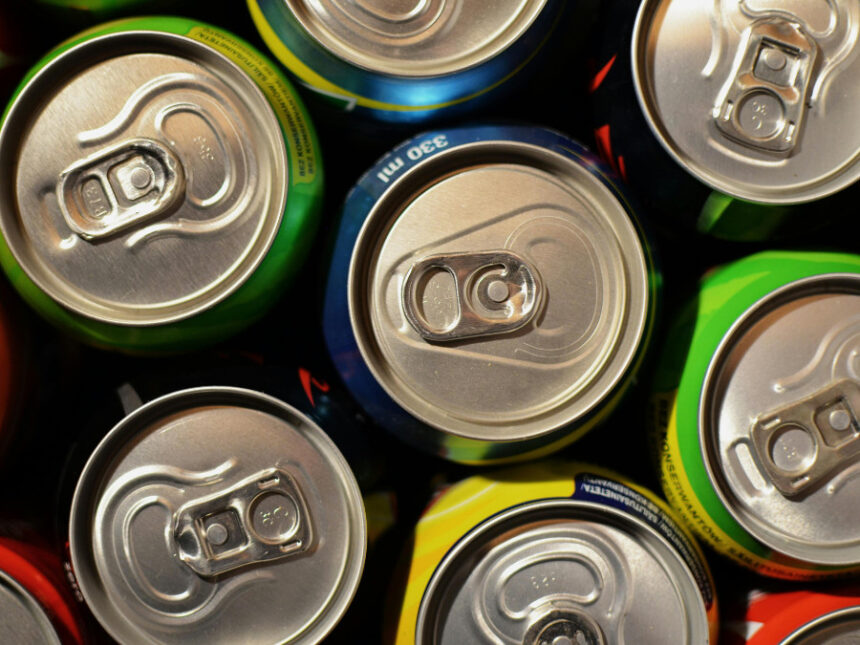
A shift in pack sizes towards 35.5cl cans has tapped into the rising consumer appetite for convenience. Within five years, the share held by 35.5cl has surged from 7% to 69%, driven by high demand for single serves.
“The emergence of single-serve canned RTDs has allowed brands to gain ground in venues/locations where glass bottles are typically not allowed, such as sports venues, concerts and beaches,” says the president of IWSR‘s US division, Marten Lodewijks.
Recent regulatory changes have also boosted the segment in several states: North Carolina’s Governor. Roy Cooper, recently signed SB527, which lowered taxes on RTDs with a spirits base, while Pennsylvania Governor Josh Shapiro signed SB688, allowing them to be sold in the same off-premise outlets as beer and wine.
Innovation trends
The rate of innovation has slowed overall in recent years and cocktail/long drink innovation continues to outpace that of other RTD sub-categories; New cocktail/long drink variants account for over a third of recent innovations. Although this is a lower percentage than in recent years, the segment still has the highest share of recent innovations.
“The reduced rate of innovation combined with continued category volume growth is a great sign for the industry,” says Lodewijks. “While RTDs will remain an innovation-driven category, the proliferation of brands and variants in 2021-22 created consumer confusion and saturation that ultimately only benefitted a few players.
“The more focused innovation approach, with brands relying more on a few core SKUs, gives consumers an anchor from which to explore the category while not being overwhelmed by choice ‘risk’ – the risk that they don’t like what they’ve bought.”
There is also a trend of products crossing over from other categories, thereby tapping into existing brand awareness. Sunny D, for example, has launched a vodka-based offering. Meanwhile, Ocean Spray cranberry juice partnered with Pernod Ricard’s Absolut vodka; Vita Coco water teamed up with Diageo’s Captain Morgan, and Welch’s juice launched vodka-based products, including the grape-based Vodka Transfusion.
Consumer confusion
RTD bases are widely misunderstood. Across all age groups, most buyers of hard seltzers, FABs and hard teas recall having also consumed spirits- and wine-based RTDs, even though most products in the former segments are malt-based.
“Many consumers mistake the base of RTD products, and brands should take this into consideration when they make their packaging and branding decisions,” says Lodewijks. “Consumers generally assume the alcohol in their RTDs comes from a spirit. Educating them on this can have both benefits and risks, depending on a brand’s broader portfolio.”
The US also has a slightly older, mixed gender skew in terms of RTD consumers, but the category’s new drinkers tend to be younger and more male. This will have implications for the styles and flavours that outperform, going forward.
“It’s likely that this new cohort will be more swayed by spirit-based products and more willing to buy these offerings in the on-trade, a key channel for brand building,” notes Lodewijks.