By any measure one cares to consider, the on-premise channel has been having a particularly challenging time of late. Bars are closing, margins are threadbare and global brand owners are posting, at best, sluggish figures.
But there’s one area that bucks this trend, albeit unquantifiably, and that’s the art of – and the need for – hospitality.
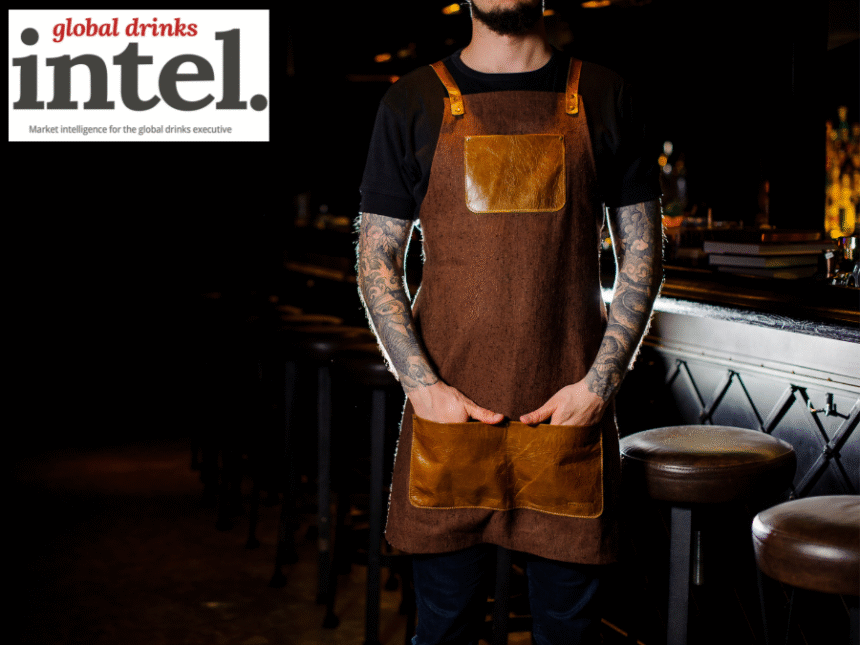
Around the world, both the execution of and the demand for hospitality experiences has arguably never been as high. Walk into any bar in any city in any country, and chances are you’ll be served a good drink and you’ll be served by a good bartender. You’ll also have a good range of product options to choose from and, if you so wish, your server will transform said products into a delicious concoction that you’d be hard pressed to be able to make yourself.
If you want to chat, the barkeep will oblige, and if you don’t, that’s fine too. You’ll likely be well looked after, and you’ll likely have a good time. It’s the basics of hospitality, but it’s those basics that get us hooked and it’s those basics that have never been more ubiquitous.
We don’t know how good we’ve got it.
Demand, too, is growing. Against the backdrop of easing financial pressures for the masses, a growing appetite for in-person connections and a renewed desire to disconnect from the outside world (or the world on our devices), hospitality is perfectly placed to ride a wave into what may be an epoch of greatness.
Indeed, CGA by NIQ’s latest global research highlights a clear correlation between consumers’ financial positivity and their intention to increase visitation to the on-premise sector.
The biggest factor in that intention isn’t the quality of the food or the drinks, it’s the quality of the experience. Yes, it’s the fundamentals of hospitality that both stimulate demand and go on to fulfil that demand. Therefore, if, as a sector, we are to execute the fundamentals with consistent excellence, a virtuous cycle will form to deliver the golden age of hospitality.
Nevertheless, no matter how well the macrotrends align to fuel demand, it takes a skilled workforce to deliver, and it’s the hospitality professionals – the stars of this show – who are critical to its success and who remain overlooked and under-invested in, given the vital role that they play.
An investment in hospitality staff is more than just an investment in an individual, it’s an investment that pays off in a myriad of manners, unlocking a five-way win.
Firstly, of course, there are the individual benefits. The bartender, waiter, maître d’ or sommelier gains valuable knowledge and skills that help them fulfil their role more proficiently. In turn, this means that the venue itself wins, gaining a more proficient and effective workforce who are more engaged with their role and, by extension, less likely to take up offers of employment elsewhere. There’s win number two.
The third comes to the suppliers (usually the drinks brands) who invest to provide exceptional training and are rewarded with staff serving their products correctly and properly, recommending their brands and, ultimately, delivering a return on investment in the form of sales.
The guests themselves are on the receiving end of the fourth win, enjoying their perfectly served drinks and expertly serviced hospitality, which unlocks the fifth and final win, that of the on-premise channel itself. The sector benefits from a workforce of better-skilled employees who want to build careers in the channel, alongside a more engaged consumer base.
It seems like a no-brainer, then. Invest in bartender and wider hospitality training and reap the rewards. However, the data suggests that this is not occurring as efficiently or as widely as possible.
According to CGA by NIQ’s recent report with industry community Celebrate Her and hospitality training platform Allara Global, just 29% of hospitality professionals feel that they receive adequate training for all the necessary aspects of their roles. In other words, we are failing 71% of the workforce that we task with delivering the drinks, experiences and memories that keep the consumer coming back for more.
The five-way win is being turned into a five-way own goal, the virtuous cycle is cycling in reverse and, rather than a golden age, we are living through a period of mass closures and poor sales performance.
It’s the frontline who will turn that performance around, yet we’re failing them. We as an industry need to understand their requirements better and we need to offer solutions.
If we do that, we will empower a high-potential workforce to deliver great hospitality experiences over-and-above their already high standards.
Hospitality professionals are hospitality’s greatest asset – let’s unleash it.