When Pokémon Go landed in 2016, it felt like lightning in a bottle. Within weeks, nearly 8% of the world had downloaded it. An instant phenomenon.
Except it wasn’t.
Its creator, Satoshi Tajiri, is often linked with the quote: “It takes 20 years to become an overnight success.” In reality, it takes years, sometimes decades, of graft.
The global travel retail channel works the same way.
From the outside, it’s theatre. Big builds. Flashing screens. Queues for tastings. But theatre only works if the script was written long before opening night. The brands that cut through in airports are rarely improvising. They’re cashing in on equity built patiently over decades.
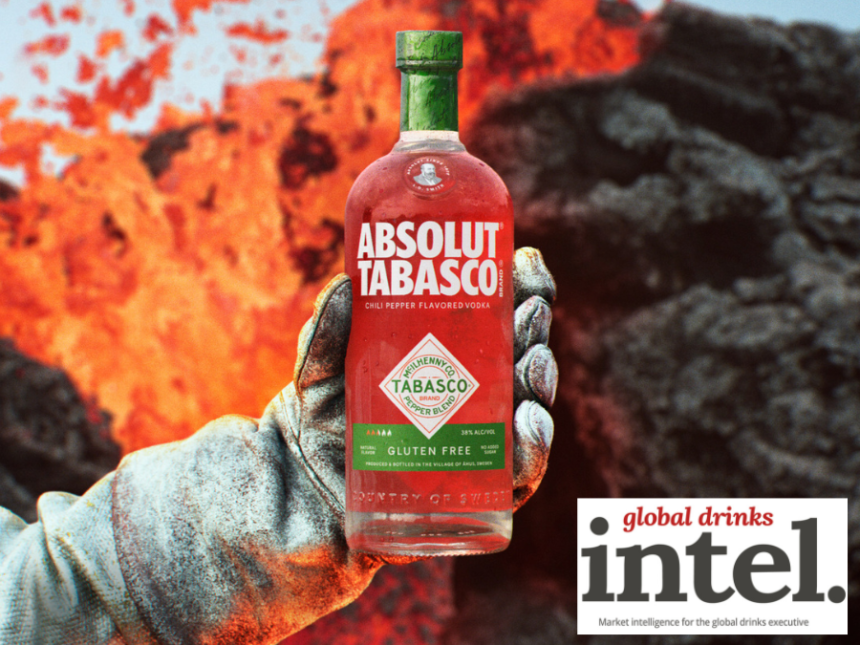
Take the Absolut Vodka and Tabasco collaboration that debuted in February. Absolut has been playing with flavour and cultural provocation for decades. The launch might look sudden, but the permission to do it was earned over time.
To understand what it really takes to stand out in one of the most visible and unforgiving channels in drinks, I spoke to Rae Gibson (below), Pernod Ricard’s global brand director for power brands & emerging categories in global travel retail.

The Absolut Tabasco launch has been one of the most-talked-about recent GTR partnerships. What made it work?
I’m so excited about it. It’s one of those products you see and instantly understand. It needs no explanation. The design of the bottle is so clever and the brand names are iconic.
The comms campaign is also fantastic, really tapping into nostalgia, back to Absolut’s earlier days and that unmistakable bottle silhouette, which is a fantastic tool from the global team that has truly inspired our creativity when approaching how we launch it in our channel.
From the outside, airport activations look theatrical and fast. What does the consumer not see?
Scale. It takes so many people across global brand teams, retail design, external agencies, our insight and media teams, supply chain, regional markets and retail partners to bring something like this to life. Internal alignment alone can take months, sometimes years, from concept to shelf. What looks like a punchy pop-up in Heathrow is the visible tip of something much heavier underneath.
It can look like an overnight success. It rarely is.
Airports can be challenging environments. You’re competing with restaurants, lounges, duty-free perfume counters and the stress of someone trying not to miss Gate 42. There’s nowhere to hide. If the idea’s confusing, if it adds cognitive load, you’ve lost them.
Messaging has to land in seconds. Visuals have to stop people mid-stride. Engagement, whether it’s a tasting or an interactive moment, needs to feel easy.
How do you balance global consistency with local relevance?
Travel retail is not one audience. It’s dozens, sometimes in the same hour. Arrivals behave differently from departures. Chinese travellers shop differently from Americans. Even within one airport, behaviour shifts.
Our role is to be brand guardians. We protect the distinctive assets and are clear on what cannot change. But we also understand where the flex sits. Without that long-term foundation, you can’t take creative risks confidently.
Our approach with Absolut Tabasco is a great example of this. Globally, the hero cocktail was the bloody mary, but then locally it was adjusted to feel relevant – in the Middle East, we’re exploring the doudou shot [a savoury shooter originating from Lebanon] and, even within bloody mary executions, we’re adapting elements like the rim garnish to local tastes like using a pretzel-crumb rim in Germany.
For me, it’s about protecting what’s non-negotiable, the assets built over decades and then identifying where you can flex locally. That’s how you create something that feels globally powerful, but locally grounded.
Has global travel retail shifted from being transactional to being first and foremost about brand-building?
Absolutely. Historically, it was believed to be about volume and value. Now, we talk about it internally as a global brand-building platform.
Airports offer something rare. Travellers are often in an exploration mindset. They’re open and slightly dislocated from their routine. Sometimes, they’re more willing to trade up. Our job is to tap into that natural curiosity.
How has data changed the way you approach standing out?
Footfall and location still matter. But now we have far more granular data. We can identify key nationalities, better understand dwell time, even target specific digital screens in arrivals versus departures.
Execution has become more precise and the accountability has certainly increased as well. But shoppers are more informed too. They’re checking prices in real time. Visibility alone isn’t enough. The proposition has to stand up.
Looking ahead, what will separate the winners from the rest?
There’s renewed confidence in the channel, and increasing sophistication. Competition is intensifying, which is healthy.
The brands that will win will combine strong long-term equity with sharper, experience-led execution. If we keep the consumer at the centre, we’ll see even more creativity.