


- Germany’s overall alcohol market declined sharply in 2025, driven by falling sales, the consumer shift towards moderation and cost-of-living pressures
- Spirits brands are finding refuge in no- & low-alcohol offerings, lighter aperitifs, convenient RTD cocktails and resilient categories, such as tequila
- Jägermeister Orange has proven a game-changer for the historic German bitters, recruiting new consumers and broadening consumption occasions
- Producers are attempting to modernise traditional domestic spirits, such as korn, using premium ingredients, contemporary positioning and new product formats
- The industry faces a major threat from a proposed 20% excise tax hike on spirits set for 2027, alongside expanding bans on drinking in public and proposed advertising restrictions
Germany is falling out of love with alcohol. That’s the damning picture painted by the latest industry data, with every major beverage category in decline last year in this key European market.
Beer, still by far the country’s favourite alcoholic drink, bore the brunt of the downturn, with sales falling almost 6% to around 78m hectolitres – the lowest level since records began in 1993. Wine was hardly spared, with consumption down 4.3% year on year to 17.8m hectolitres, according to the International Organisation of Vine & Wine.
Cheer was also in short supply in spirits, where a swing towards health and moderation collided with the lingering cost-of-living crisis. In 2025, according to the German Federal Government, 149m litres of pure alcohol from spirits were taxed, down 5.3% year on year.
This dispiriting drop is part of a longer-term decline: Germany’s five largest spirits categories – vodka, brandy, bitters, rum and korn spirits – all recorded negative CAGRs between 2019 and 2025.
Lighter aperitifs prosper
There are pockets of growth, however. “The aperitif category continues to benefit from consumers looking for lighter … and often lower-ABV drinking occasions,” observes Pernod Ricard’s marketing director for Northern Europe, Benjamin Franke. “At the same time, moderation is becoming increasingly important, with ‘sober curiosity’ and ‘zebra striping’ entering the mainstream.”
In response, adds Franke, Pernod Ricard has expanded its portfolio for those “looking to moderate their alcohol consumption”, while the group also heralds RTDs as a major growth engine in the German market, with convenience and flavour innovation helping to drive demand.
Pernod Ricard has “actively invested” in the category, he says, with recent launches spanning Havana Club Spezi, a 10% ABV collaboration between the Cuban rum brand and German cola-and-orange soda brand Spezi; Ramazzotti Limoncello Spritz, packaged in a 20cl glass bottle, and Malibu Peach Iced Tea, a 10% ABV rum-based canned RTD.
‘Fundamental shift’ to non-alc spirits
The importance of the no-alcohol segment is hard to ignore. IWSR ranks Germany among the world’s fastest-growing markets for non-alc spirits, with volumes forecast to rise at a CAGR of 11% over the next three years.
“We don’t see mindful drinking as a short-term trend, but as part of a fundamental shift in consumer behaviour,” says Carl Graf von Hardenberg, the director for international business at Hardenberg-Wilthen, one of Germany’s largest and oldest spirits producers. “People are making more conscious decisions about when, what and how much they drink. At the same time, they still want sophisticated beverage choices in social situations.”
To tap into this trend, the Saxony-based producer recently introduced Hardenberg Zero.Zero, an alcohol-free gin built around botanicals including bergamot, bitter orange peel and ginger.
Tequila sees an opening
Tequila, meanwhile, is bucking the broader downturn. Last year, Germany was the world’s third-largest export market for tequila, behind only the US and Spain, according to figures from the Consejo Regulador del Tequila (CRT). Around 6m litres were consumed in the first 11 months of the year, up 1.1% on the same period in 2024.
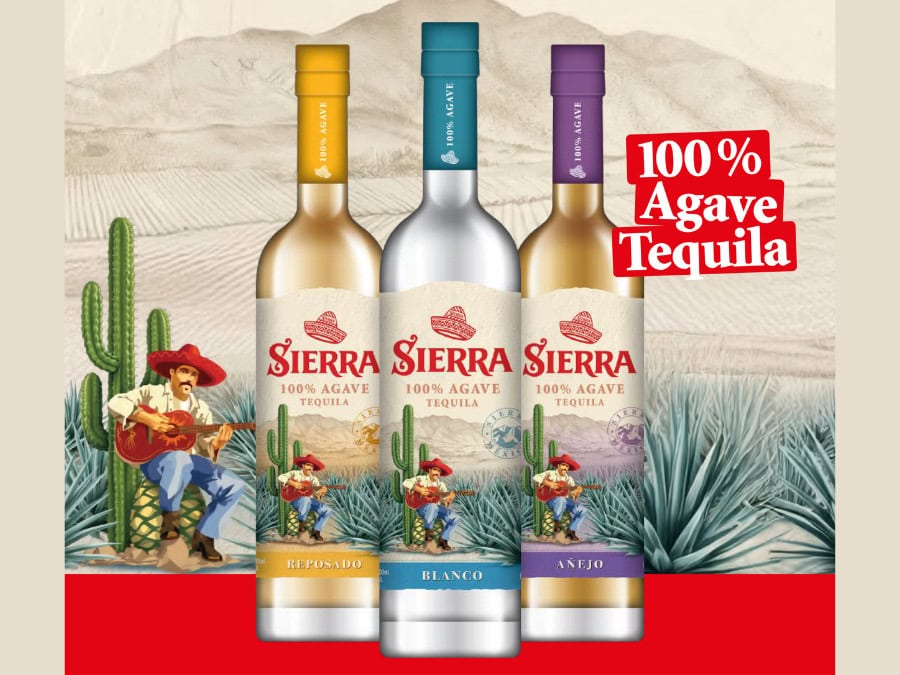
Market leader Sierra Tequila, owned by Poland’s Stock Spirits, is moving to capitalise on this momentum. In March, the group unveiled its Sierra 100% Agave range (below), comprising blanco, reposado and añejo expressions and targeting value-conscious consumers keen to step up from cheaper, standard mixto tequilas.
The bitters exception
Bitters, Germany’s joint-second-largest spirits subcategory alongside brandy, has had a tough few years. In 2025, the category accounted for 11% of the market, according to IWSR, but posted a negative CAGR of 3% between 2019 and 2025.
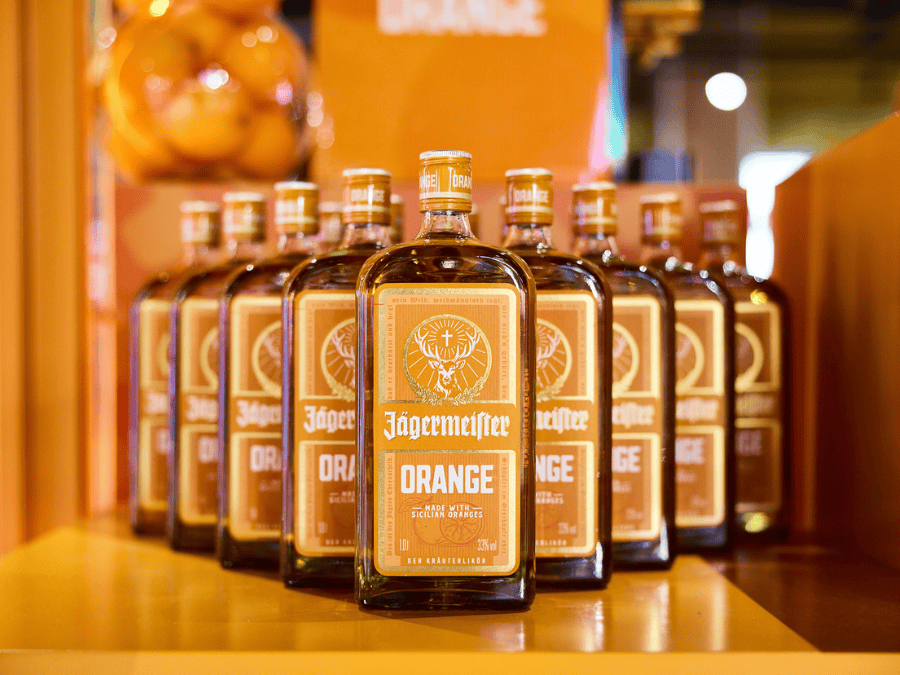
Mast-Jägermeister, however, continues to defy the decline. In the 12 months to the end of March this year, global sales of its market-leading namesake liqueur rose 7.7% to 9.2m cases, with the Jägermeister Orange brand extension (below) emerging as a key growth engine, both in Germany and overseas.
The zesty, citrus-forward variant of the classic German herbal liqueur has proved particularly effective at bringing new consumers into the brand.
“Following its debut in Germany as one of the most successful spirits launches in a decade, it has helped attract new consumers and drinking occasions,” says Mast-Jägermeister’s Deutschland MD, Torsten Römsch. “To sustain this momentum, we continue to invest in brand-building, consumer experiences and strong partnerships across retail and the on-trade.”
This confidence is also reflected behind the scenes. In April, Mast-Jägermeister opened a new EUR17.6m (US$20.3m) barrel-storage facility in Kamenz, close to the Polish border. Spanning 5,000sq m, the sustainable facility houses 225 barrels of ageing base Jägermeister spirit, underlining the company’s long-term commitment to the flagship brand.
In the marketplace, meanwhile, Römsch says the focus is on creating “relevant brand experiences” wherever people come together to celebrate. That means festivals, events, cultural collaborations and the brand’s content-to-media campaign, ‘The Night Is Yours’.
“Our aim is to strengthen Jägermeister’s authentic connection with music, subculture, and the communities that have always been at the heart of the brand.”
Finding balance
Founded by Munich bartenders Stephan Berg and Alexander Hauck in 2006, The Bitter Truth continues to perform strongly despite the considerable pressures facing Germany’s on-premise. The producer of premium cocktail bitters, liqueurs and aromatised spirits celebrates its 20th anniversary this year, with Berg saying the milestone has put a renewed spotlight on its home market.
“Everyone we speak to is undoubtedly under pressure,” he says. “Running just a bar with no food is becoming increasingly difficult. Per-capita spending has dropped, nights start earlier, and most days end earlier too.”
According to Berg, the versatility of bitters is helping the category adapt to a changing market. “They work not only in alcoholic drinks but also in no- & low-alcohol serves, bringing balance and complexity. At the same time, our range of liqueurs is getting more popular by the day, fitting well into the recent spritz trend and going hand in hand with our bitters.”
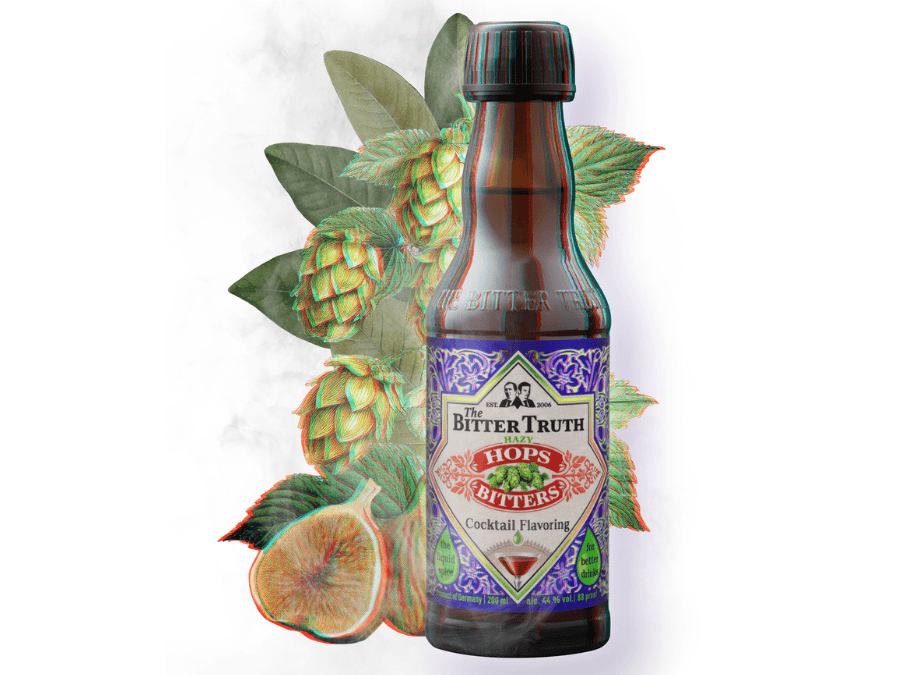
Last year, The Bitter Truth launched Hazy Hops Bitters (below) – a nod to the company’s Bavarian heritage and Germany’s beer culture – using Bavarian-grown hops as its primary aromatic focus. Yet in this busy anniversary year, travel, masterclasses and partner visits have left little time for product development, Berg reveals.
“As we head towards the end of 2026, we’ve been listening to the bar trade demanding the return of a product that we produced about ten years ago,” he says. “With Bar Convent Berlin in October, we’ll have a small production run of our Aromatic Leaf Bitters available again.”
Old categories, new ambitions
Weighed down by long-held consumer perceptions, korn, Germany’s traditional grain spirit, and weinbrand (brandy) have continued to lose volumes. Korn is often associated with low-cost shots, while brandy is increasingly viewed as a drink for older generations.
But a new wave of producers is looking to give these legacy categories a modern lease of life. Among them is Nork, a start-up founded in 2016, which is reinventing korn through premium, local ingredients, contemporary packaging and unusual cask finishes, including peat-smoked whisky barrels and sweet-wine casks.
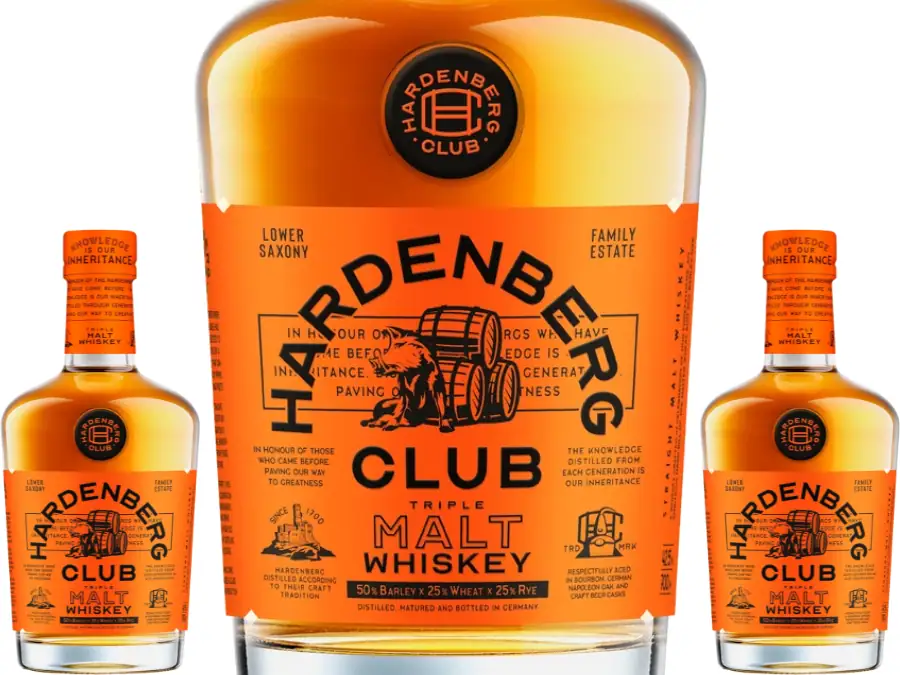
Meanwhile, Hardenberg Wilthen has been expanding its historic Hardenberg korn brand into whisky. “We’re using almost three centuries of expertise in grain production and distilling to create modern German whiskies,” says Graf Von Hardenberg. “The Hardenberg Club Triple Malt Whiskey (below) is a good example: it translates our distilling heritage into a contemporary product concept and is designed to appeal both to experienced whisky drinkers and consumers discovering the category for the first time.”
The regulatory squeeze
Despite their ambitious plans for Germany, spirits brand owners may soon face another major hurdle. A regulatory bombshell is heading towards the already beleaguered industry, with the impact set to be felt from 1 January.
Three months ago, the German Federal Cabinet approved a budget plan to raise excise taxes on spirits, sparkling wine and alcopops by 20%. Beer and still wine would be exempt under the draft legislation, which will add around EUR0.70 to a standard 70cl bottle of 40% ABV vodka. Framed as a health-driven measure, Germany’s Finance Ministry expects the hike to generate an additional EUR455m (US$509m) in annual tax revenue.
But the plans have met fierce opposition from the industry. In early September, an alliance of German beverage trade associations – including the Federal Association of the German Spirits Industry & Importers (BSI) and the Federal Association of Wine, Sparkling Wine & Spirits (BWS) – called on the government to abandon the increase.
The group argued that higher taxes do not necessarily translate into higher revenues, pointing to the UK’s recent excise increases as an example of a similarly “misguided and loss-making” fiscal measure.
The alliance warned that the hike would hit wine and spirits producers of all sizes, both domestic and international, as well as restaurants, bars and logistics companies, with consequences ranging from job losses and lower sales to rising costs. It also challenged the health rationale for the increase, noting that weekly alcohol consumption in Germany among 18-to-25-year-olds is now at its lowest level since 1973.
The proposal is not the only sign of a tougher regulatory climate for beverage alcohol. Last month, Deutsche Bahn began rolling out a ban on alcohol consumption across its 5,400 stations, while Germany’s Green Party is calling for further restrictions, including tighter controls on outdoor advertising, campaigns and sponsorships. It has also called for an end to the longstanding exception allowing 14- and 15-year-olds to consume certain alcoholic drinks under parental supervision.
For Germany’s already battered spirits sector, these headwinds add another layer of pressure. If passed, the tax hike will likely spur companies to invest further in their non-alc lines – and push more drinkers towards the comparatively less-taxed wine and beer categories.
Members-only intel
Keep reading this members-only article – and every one like it
- ✓All paywalled news and interviews
- ✓Category and market data
- ✓Monthly GDI magazine
- ✓Full archive + daily newsletter
Secure checkout · Cancel any time · Company invoices available
Already a member? Log in
See all plans, incl. 10-reader and corporate
Check if your company already pays for you Your company may already give you free access.
Corporate subscribers: AB InBev, Bacardi, Campari Group, Diageo, Moët Hennessy, Pernod Ricard, Proximo Spirits, Suntory Spirits Group, William Grant and Sons.
Activate company accessNot ready yet? Get the headlines free in our daily newsletter.
Sign up free