The ready-to-drink category has been busy shaking up the global alcohol industry in recent years – positioning itself not merely as a stop-gap alternative to bar service, but as a dynamic and evolving cornerstone of modern beverage consumption in its own right.
- In 2021, around 3,400 new RTD products were launched in the world’s top ten markets; this plummeted to just over 1,800 in 2024
- One in three RTD launches was a hard seltzer in 2021; last year, the rate dropped to one in nine
- FAB (flavoured alcoholic beverage) RTDs are growing, accounting for 16% of the wider category in 2021 and 28% last year
- The cocktail/long drinks segment cemented its RTD leadership position, up from 38% of new releases in 2021 to 42% last year
- No-alcohol RTDs are also growing (6% of new launches in 2024, up from 3% in 2021), as are wine spritzers/coolers (7% in 2024, up from 4% in 2021)
Data: IWSR
The global ready-to-drink (RTD) alcoholic beverage market has undergone a remarkable transformation in recent years, moving from a niche convenience offering to a fast-growing and strategically critical category for major drinks companies and challengers alike.
“RTDs are indeed a dynamic and growing category, consistently gaining share of total beverage alcohol,” says a Diageo spokesperson. “The data shows us they primarily steal volume from beer and wine. This offers Diageo an opportunity to recruit new consumers in different occasions.”
That opportunity is driving considerable innovation, investment and diversification. At VK and Hooch brands owner Global Brands, head of brands Craig Chapman says that over the past decade, the UK market alone has doubled in value, “from GBP228m in 2014 to GBP543m in 2024”.
Canned cocktails, in particular, are outperforming other segments. “Premium and super-premium canned cocktails have played a key role in this growth, contributing over GBP10m in RSV in the last 12 months, which reflects a growing consumer appetite for high-quality, bar-standard cocktails in a convenient format,” Chapman adds.
Susie Goldspink, senior analyst at IWSR, notes that growth is industry-wide. “We have seen significant investment and innovation from companies from all sectors of the drinks industry – beer, spirits, soft drinks and wine,” she says. “All players see this as an opportunity to build new brands or extend their existing ones into new areas.”
However, the pace of innovation is slowing – in 2021, more than 3,400 new RTD products were launched in the world’s top ten markets for the category; last year, that figure dropped to just over 1,800, according to IWSR’s ‘RTD Innovation Catalogue’.
“Having reached a peak in 2021, new RTD product launches have been declining year on year, while volumes remain steadier,” observes Goldspink. “The category is becoming less reliant on a never-ending stream of product launches, and RTD innovation is simply becoming more efficient.”
Power of premiumisation
Premiumisation remains a prominent theme, but it must be balanced with accessibility – a tightrope that brand owners are learning to walk with increasing dexterity.
“RTDs sit at the nexus of multiple consumer trends,” notes Diageo’s spokesperson. “We’ve identified three desires they tap into: convenience, moderation and exploration.” These trends are key to the format’s resilience and broad appeal.
“The multitude of formats available mean RTDs can shape-shift to be relevant across occasions.”
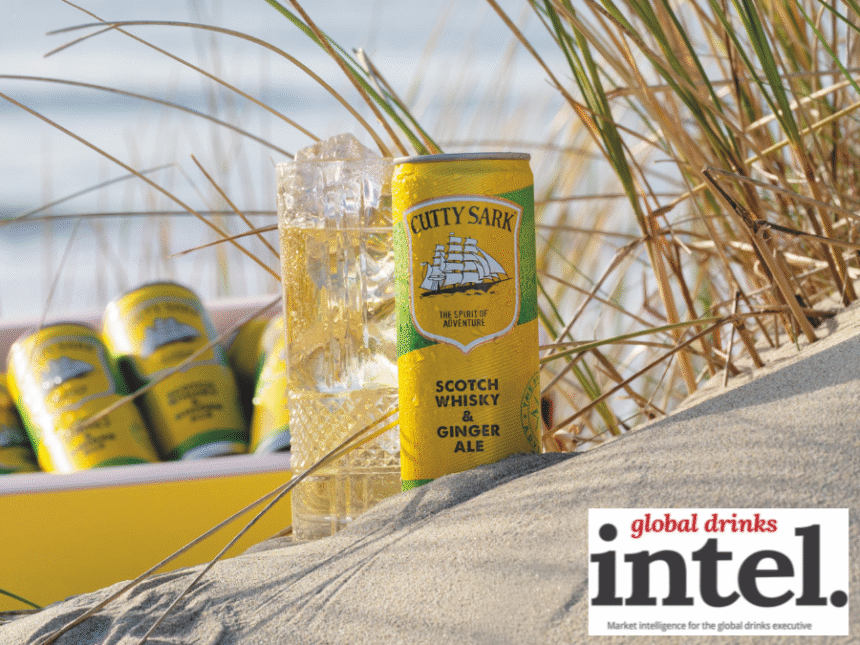
This idea is echoed at La Martiniquaise-Bardinet (LMB), where the company has launched a new suite of branded RTDs, including Cutty Sark & Ginger Ale, Gibson’s Gin & Tonic and Negrita Cola. “We focus on low-alcohol (5% ABV), affordable, convenient, easy-going solutions,” says international marketing manager Laure Habbouse. “We believe that the long-term trend of premiumisation will continue, but in the short term, affordability is key.”
Chapman believes the dynamic is also shifting consumption habits. “Unsurprisingly, inflation has caused consumers to be conscious of how much they are spending. However, this is actually driving demand for premium canned cocktails as consumers swap spending in hospitality venues for socialising at home.”
Global Brands is attempting to meet demand across the board. “Our portfolio means we have something to cater for all types of consumers — whether they’re prioritising value with a multipack of lower-ABV cocktails, or looking for something more premium to recreate that special occasion feeling,” Chapman says.
At Clonakilty Distillery, the focus is squarely on the premium end of the spectrum. “Clonakilty has a unique and authentic brand story,” explains founder Michael Scully. “We’re perfectly placed to offer RTDs at the premium end of the market.”
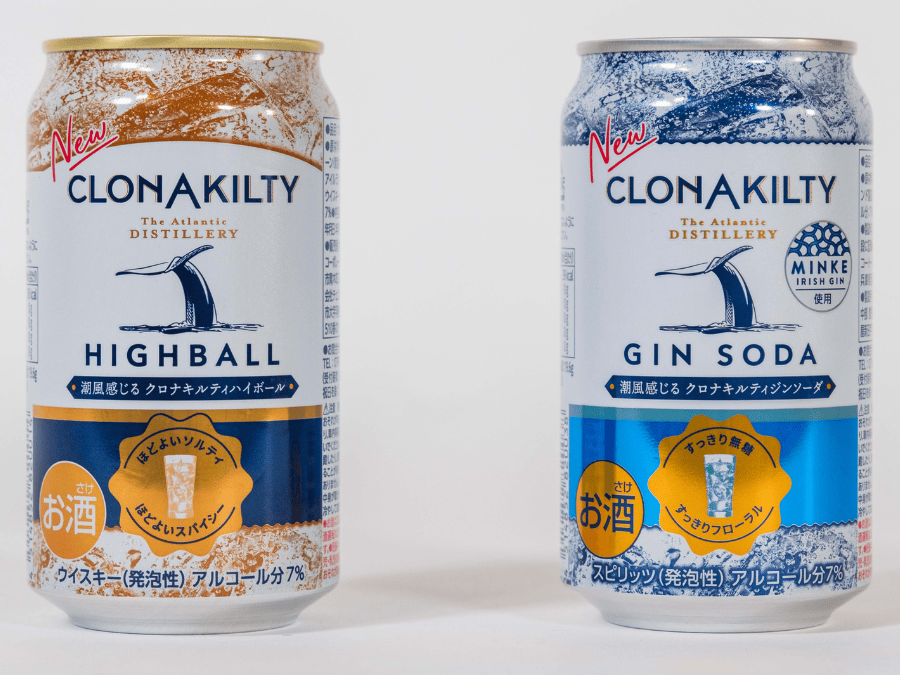
The company’s entry into RTDs began in April with a partnership in Japan, where it launched a 35cl, 7% ABV offering through Lawson Group. “We are now evaluating options as to whether Clonakilty should expand its RTD offerings to other markets,” Scully adds.
Functionality & moderation
As consumer health consciousness continues to shape F&B categories globally, RTDs have demonstrated their ability to tap into moderation trends.
“Their premixed nature means RTDs are able to offer consumers control of their alcohol, sugar and calorie intake, tapping into the long-term trend of consumers drinking better, not more,” says the Diageo spokesperson. “Our RTD strategy reflects this.”
Goldspink agrees: “Flavour and convenience are key drivers of RTD popularity. The wide range of flavour profiles, cocktail choices and low-sugar/carb options mean there is something for everyone.”
The initial surge of hard seltzers was built on this exact proposition. “Health factors certainly played a part in the rise of hard seltzers,” Goldspink adds. “These low-sugar/low-calorie options often focussed on these elements in their brand communications.”
Even at the premium end, moderation is increasingly central. “While premium RTDs are slightly higher in ABV, they are still a lot lower than traditional bottled spirits,” Scully points out. “This taps into a significant sector of our health-conscious customers.”
Formats, flavours & packaging
By their nature, RTDs are well-suited to experimentation. Their format lends itself to novel flavour combinations, exciting packaging solutions and alternative serves that align with current consumer habits.
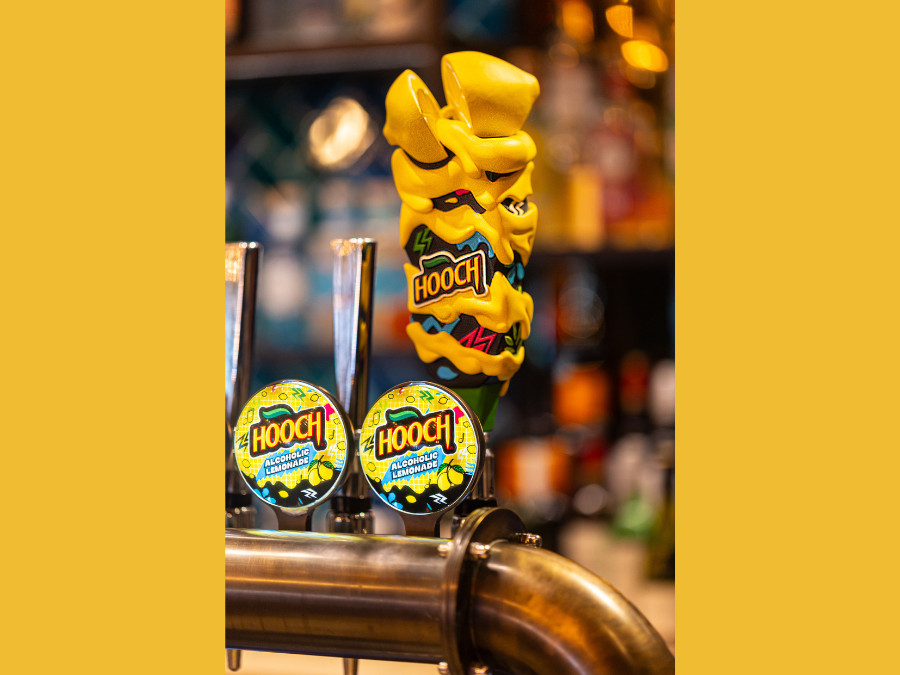
Chapman highlights the strong performance of ‘nostalgic’ brands, such as Reef, Hooch and VK, which resonate with Gen Z and Millennial consumers. “To capitalise on the increased demand for nostalgic products, this year we launched our Hooch RTD in draught format (above) for pubs and bars,” he says. The innovation includes “vibrant tap handles and one-of-a-kind glassware in the iconic nostalgic branding”.
Reef also became the first UK alcoholic RTD available in Tetra Pak. “It offers a fully resealable carton – perfect for on-the-go summer sipping,” Chapman notes. “It’s approximately five times cheaper than standard bottle formats, while also currently being exempt from DRS [Deposit Return Scheme] regulations.”
LMB has similarly streamlined its packaging strategy. “We have decided to focus on the 25cl slim can format,” says Habbouse. “Lighter, reducing waste, nomadic, durable and easy to store.” These practical qualities align well with sustainability goals and meet consumer expectations for convenience and portability.
Indeed, packaging has become a frontline battleground in RTD development. Diageo highlights the importance of visual appeal. “RTD shoppers tend to be open to exploration – product packaging and shelf display are the No.1 touchpoints that impact a consumer’s decision,” the company says, citing a Kantar study.
Sustainability as standard
Sustainability is increasingly influencing RTD strategy, from packaging to logistics.
Clonakilty Distillery, for example, took the decision to can its Japanese RTDs in-market. “To save on emissions, we shipped the whiskey and gin in bulk to Japan and had it canned locally,” says Scully.
At LMB, recyclability is prioritised. “We have decided to give priority to the can format, which is 100% endlessly recyclable,” Habbouse confirms. The company positions sustainability as a core value: “As a family-owned company with a long-term mindset, sustainability has always been at the heart of our development.”
Global Brands is likewise adapting, says Chapman. “We committed a long while ago to using 100% rPET bottles for our VK range,” he says. “This is something we’re proud to have stood by, despite a hefty commercial cost.” He also points to domestic sourcing for ethanol as a means to lower emissions.
A category with staying power
Though some macroeconomic indicators and category trends are showing mixed signals, RTDs appear to be bucking the trend. “Despite the overall beverage market currently underperforming, demand for RTD beverages remains strong and shows notable resilience,” notes Chapman.
Diageo puts this down to the format’s versatility and reach. “RTDs appeal across demographics,” says its spokesperson, while their “relevance to wider trends means demand is expected to continue growing”.
Scully agrees: “There is little doubt the RTD category is growing and here to stay.”