


Sign In
  • News
    • Beer
    • Spirits
    • Wine
    • Environmental, Social & Governance
    • Financial Results
    • Marketing
    • Mergers & Acquisitions
    • New Product Development
    • From the Industry
  • Intel
    • Comment
    • Interview
    • Category Intel
    • Consumer Intel
    • Market Intel
  • Awards
    • Global Drinks Awards
    • New Product Awards
    • ESG Awards
  • Magazine
  • Newsletter
  • Subscribe
  • Contact
  • News
    • Beer
    • Spirits
    • Wine
    • Environmental, Social & Governance
    • Financial Results
    • Marketing
    • Mergers & Acquisitions
    • New Product Development
    • From the Industry
  • Intel
    • Comment
    • Interview
    • Category Intel
    • Consumer Intel
    • Market Intel
  • Awards
    • Global Drinks Awards
    • New Product Awards
    • ESG Awards
  • Magazine
  • Newsletter
  • Subscribe
  • Contact
Search
Banner for Bayou Rum - https://bayourum.com/


How RTD brand owners are using innovation to drive expansion – Category Intel

IWSR
Last updated: 01/05/2025 at 4:52 PM
By IWSR
1 May 2025
9 Min Read

RTDs have become a vital growth engine for beverage alcohol in recent years – but the ways in which brand owners are using innovation are evolving as the category matures.


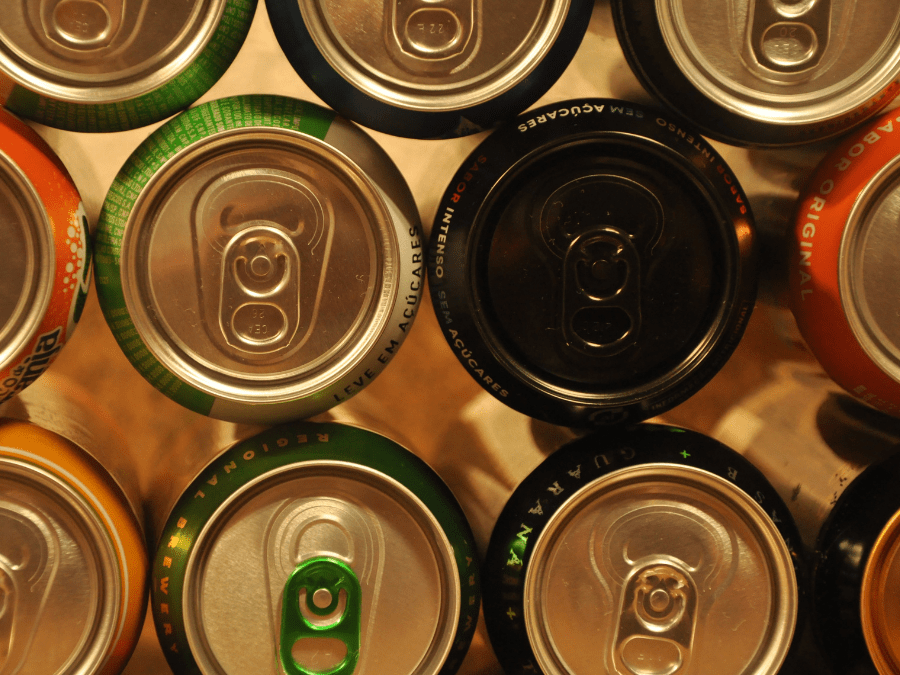
Aluminium cans
Credit: Osmar do Canto/Unsplash
SHARE

The pace of innovation in the expanding global RTD market is slowing as brand owners focus their efforts on growth areas such as spirit-based products, premium-plus price tiers and higher-ABV variants.

In a persistently challenging trading environment for beverage alcohol, RTDs offer a much-needed bright spot, with overall category volumes rising by 2% during 2024, according to preliminary data from IWSR. In 2024, according to the ‘IWSR Preliminary Read’, RTD consumption grew in 16 out of the top 20 global markets.

As brewers increasingly look beyond beer to explore fresh avenues of growth, and wine and spirits players diversify into the category, RTDs are poised to make further gains in the years ahead.

The category has traditionally relied on a persistent churn of new products and flavours to retain consumer engagement and maintain sales momentum, but there are now clear signs that the pace of innovation has slowed since its peak in 2021.

In that year, around 3,400 new RTD SKUs were launched in the world’s top ten markets for the category – but by 2024, the figure had dropped to just over 1,800, according to IWSR’s ‘RTD Innovation Catalogue’, part of the data and insights provider’s annual ‘RTD Strategic Study’.

“Having reached a peak in 2021, new RTD product launches have been declining year on year, while volumes remain steadier,” says IWSR’s aenior insights manager for RTDs and no- & low-alcohol, Susie Goldspink. “The category is becoming less reliant on a never-ending stream of product launches, and RTD innovation is simply becoming more efficient.”

Hard seltzers continue to fade

In 2021, one in every three new RTD launches was a hard seltzer, but in 2024 the figure dropped to one in nine. The chief beneficiary has been the FAB segment (Flavoured Alcoholic Beverages), which accounted for 16% of launches in 2021, but 28% last year.

Meanwhile, the cocktail/long drinks segment has cemented its leadership position, expanding from 38% of new launches in 2021 to 42% last year. Also notable is the growth of no-alcohol RTDs, which accounted for 6% of launches in 2024, up from 3% in 2021. Wine spritzers/coolers also expanded their share, from 4% in 2021 to 7% in 2024.

“RTD innovations by category continue to fluctuate,” says Goldspink. “In terms of launch numbers, hard seltzers have been falling behind FABs since 2023, with cocktails/long drinks continuing to lead across the review period.”

Spirit-based RTDs drive innovation

The decline of malt-based hard seltzers has coincided with dynamic growth for spirit-based RTDs: in 2021, 34% of RTD launches in the top ten global markets were malt-based, declining to 18% in 2024; over the same timescale, the share of spirit-based launches has risen from 55% to 67%.

This trend is also apparent if the focus is narrowed to hard seltzers. In 2021, three out of every four new hard seltzer launches had a malt base, although the rate declined to 59% in 2024; meanwhile spirit-based hard seltzers’ share of innovations has lifted from 22% to 40%.

“Traditionally, malt-based categories, such as hard seltzers and hard teas, are undergoing a switch to spirit-based products, premiumising the offering as consumers become more aware of base and the quality associated with spirits,” says Goldspink.

“The establishment of an easy-to-drink, lower-ABV spirits-based category has now spawned another innovation race, although much smaller than that for malt-based hard seltzers.”

Premiumisation pauses after recent gains

Premium-and-above innovations in the RTD category peaked in 2023 amid signs that brand owners were reacting to more difficult market conditions and the pressure on disposable incomes by introducing lower-priced entries to the market.

In 2021, 58% of new RTD launches were premium or above, rising to 61% in 2023, before falling back to 53% last year. At the same time, the value price tier – which had dwindled to only 7% of launches in 2023 – regained some ground to hit a 15% share.

“Despite this correction, the majority of RTD innovations continue to target the premium price band,” says Goldspink. “This is due in part to a shift in product mix away from more affordable hard seltzers in some markets, and from FABs in others.

“It is further driven by premiumisation within categories and the rise of spirit-based products within traditionally malt-based categories, as well as inflationary pressures.”

Some markets, such as Germany and the UK, skew strongly to higher-priced innovations. In 2024, 90% of new RTD launches in Germany was premium-plus, while in the UK the figure was 74%.

Higher ABV levels pique interest

Despite the widespread moderation trend, there are clear signs that some consumers are gravitating to higher-strength products, spawning a succession of new launches and line extensions of lower-ABV RTDs.

In 2021, 51% of new launches in the top ten markets fell into the >3-5% ABV tier, but this share figure fell to 41% in 2024. Over the same timescale, the proportion of launches at >5-7% has risen from 18% to 22%, while the share for >7% has increased from 25% to 29%.

This shift has been particularly notable in the US and UK markets. In the US, the proportion of new launches above 5% ABV has risen from 48% to 55% between 2021 and 2024, while for the UK it has gone up from 53% to 72%.

“Although we live in an era of increasing moderation, higher-ABV offerings are providing more choice to RTD consumers,” explains Goldspink. “They may also help to retain consumers in the category, with popular brands increasingly offering a higher-ABV variant to their core expression.”

Fruit flavours rule, but with local variations

While the RTD category has historically been a hotbed of flavour innovation, the tried and tested continues to spearhead new product introductions around the world, with lemon – and, to a lesser extent, lime – to the fore.

Across the top ten markets, lemon accounted for jut over 8% of new RTD product launches last year, up slightly on 2021, with the relatively low percentage indicating the fragmented nature of the RTD flavours space. Lemon or lemonade flavour innovations were especially strong in China, Germany, Japan, Brazil, Canada and Australia during 2024.

But there are notable regional variations: passion fruit was the leading new product flavour in the UK last year, for example, while coffee and mango tied for first place in Mexico.

Meanwhile, in the US, pineapple overtook lime as the most popular new product flavour in 2024, with 6% of launches. Pineapple’s popularity in South Africa – where it matched lemon’s 9% of new launches last year – also helped it to become the second most used new product flavour in the top ten markets.

Click here for more in-depth data and current analysis from IWSR

Previous Article Global Drinks Intel magazine cover - May 25 Global Drinks Intel Magazine – May 2025
Next Article Moet Hennessy quarterly sales chart 2022-Q1 2025 Moët Hennessy becomes third spirits multinational to consolidate workforce – report
MPU for Bayou Rum - https://bayourum.com/

The Newsletter

Sign up to receive our newsletter email

  • The very latest news from across the world's beverage alcohol industry
  • Cutting-edge intel from our in-depth category & market analyses, backed by benchmark industry data
  • The best insight on your competitors from our interviews with the industry’s leaders

This field is for validation purposes and should be left unchanged.

Follow on Social

Linkedin Twitter
OKI Tall Tower - https://www.oki.com/uk/printing/label-printer/?utm_source=OKI+Web+Chat&utm_medium=Bing&utm_campaign=Global+Drinks+Awards&utm_content=ACTFUND-1070&activity_code=ACTFUND-1070
Banner for Global Drinks Intel ESG Awards - https://gdiesgawards.com/categories/

You Might Also Like

Bottle of Royal Salute 21 Year Old Signature Blend

Scotch industry breathes sigh of relief as US tariff removed

24 July 2026
Bulleit '87

This week’s new spirits launches – 20-24 July 2026

24 July 2026
Boston Beer Co sales graph Q1 2022-Q2 2026

Sales stay stubbornly red for The Boston Beer Co in latest quarter – results data

24 July 2026
Proximo Spirits sales Q1 2022-Q2 2026 chart

Reprieve of sorts for Proximo Spirits as quarterly sales slides decelerate – results data

24 July 2026
Linkedin Instagram

What next?

  • Sign up to our FREE newsletter
  • Subscribe
  • My Account
  • Sign up to our FREE newsletter
  • Subscribe
  • My Account

About

  • Contact
  • Privacy Policy
  • Cookie Policy
  • Terms & Conditions
  • Contact
  • Privacy Policy
  • Cookie Policy
  • Terms & Conditions

Copyright © 2025 Global Drinks Intelligence Limited. All Rights Reserved

Built and Managed by Kukoo Creative

This website uses cookies to improve your experience. Read our privacy policy | Cookie settings | ACCEPT
Privacy & Cookies Policy

Privacy Overview

This website uses cookies to improve your experience while you navigate through the website. Out of these cookies, the cookies that are categorized as necessary are stored on your browser as they are as essential for the working of basic functionalities of the website. We also use third-party cookies that help us analyse and understand how you use this website. These cookies will be stored in your browser only with your consent. You also have the option to opt-out of these cookies. But opting out of some of these cookies may have an effect on your browsing experience.
Necessary
Always Enabled
Necessary cookies are absolutely essential for the website to function properly. This category only includes cookies that ensures basic functionalities and security features of the website. These cookies do not store any personal information.
Non-necessary
Any cookies that may not be particularly necessary for the website to function and is used specifically to collect user personal data via analytics, ads, other embedded contents are termed as non-necessary cookies. It is mandatory to procure user consent prior to running these cookies on your website.
Functional
Functional cookies help to perform certain functionalities like sharing the content of the website on social media platforms, collect feedbacks, and other third-party features.
CookieDurationDescription
li_gc6 monthsLinkedin set this cookie for storing visitor's consent regarding using cookies for non-essential purposes.
lidc1 dayLinkedIn sets the lidc cookie to facilitate data center selection.
VISITOR_INFO1_LIVE6 monthsA cookie set by YouTube to measure bandwidth that determines whether the user gets the new or old player interface.
yt-remote-cast-availablesessionThe yt-remote-cast-available cookie is used to store the user's preferences regarding whether casting is available on their YouTube video player.
yt-remote-cast-installedsessionThe yt-remote-cast-installed cookie is used to store the user's video player preferences using embedded YouTube video.
yt-remote-connected-devicesneverYouTube sets this cookie to store the user's video preferences using embedded YouTube videos.
yt-remote-device-idneverYouTube sets this cookie to store the user's video preferences using embedded YouTube videos.
yt-remote-fast-check-periodsessionThe yt-remote-fast-check-period cookie is used by YouTube to store the user's video player preferences for embedded YouTube videos.
yt-remote-session-appsessionThe yt-remote-session-app cookie is used by YouTube to store user preferences and information about the interface of the embedded YouTube video player.
yt-remote-session-namesessionThe yt-remote-session-name cookie is used by YouTube to store the user's video player preferences using embedded YouTube video.
ytidb::LAST_RESULT_ENTRY_KEYneverThe cookie ytidb::LAST_RESULT_ENTRY_KEY is used by YouTube to store the last search result entry that was clicked by the user. This information is used to improve the user experience by providing more relevant search results in the future.
Performance
Performance cookies are used to understand and analyze the key performance indexes of the website which helps in delivering a better user experience for the visitors.
Analytics
Analytical cookies are used to understand how visitors interact with the website. These cookies help provide information on metrics the number of visitors, bounce rate, traffic source, etc.
CookieDurationDescription
_ga1 year 1 month 4 daysGoogle Analytics sets this cookie to calculate visitor, session and campaign data and track site usage for the site's analytics report. The cookie stores information anonymously and assigns a randomly generated number to recognise unique visitors.
_ga_*1 year 1 month 4 daysGoogle Analytics sets this cookie to store and count page views.
YSCsessionYSC cookie is set by Youtube and is used to track the views of embedded videos on Youtube pages.
Advertisement
Advertisement cookies are used to provide visitors with relevant ads and marketing campaigns. These cookies track visitors across websites and collect information to provide customized ads.
CookieDurationDescription
__Secure-ROLLOUT_TOKEN6 monthsYouTube sets this cookie to manage feature rollout and experimentation. It helps Google control which new features or interface changes are shown to users as part of testing and staged rollouts, ensuring consistent experience for a given user during an experiment.
__Secure-YNID6 monthsGoogle cookie used to protect user security and prevent fraud, especially during the login process.
_fbp3 monthsFacebook sets this cookie to store and track interactions.
bcookie1 yearLinkedIn sets this cookie from LinkedIn share buttons and ad tags to recognize browser IDs.
yt.innertube::nextIdneverYouTube sets this cookie to register a unique ID to store data on what videos from YouTube the user has seen.
yt.innertube::requestsneverYouTube sets this cookie to register a unique ID to store data on what videos from YouTube the user has seen.
Others
Other uncategorized cookies are those that are being analyzed and have not been classified into a category as yet.
CookieDurationDescription
__Secure-YECpastYouTube sets this cookie to stores the user's video player preferences using embedded YouTube video
advanced_ads_visitor1 monthDescription is currently not available.
personalize_sync1 dayDescription is currently not available.
RBUUID2 monthsDescription is currently not available.
stackprotect1 hourDescription is currently not available.
syncTimeout12 hoursDescription is currently not available.
unique_session_id1 yearDescription is currently not available.
SAVE & ACCEPT
Powered by CookieYes Logo