

This article has been available to Global Drinks Intel subscribers since December. For details on how to join them, please click here.
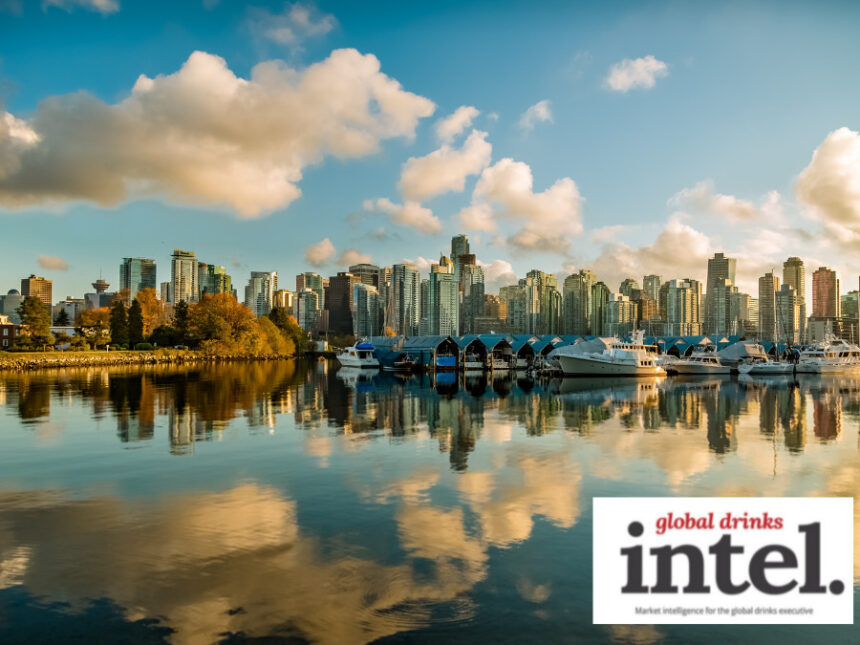
Vancouver was once sort of an after-thought, at least for most eastern and central Canadians. In the 1960s and ’70s, Montréal was the happening place in the country, before Québec separatism and financial sector development shifted that status to Toronto in the ’80s and ’90s. While Vancouver was and still is immensely popular among Canadians who embrace the outdoor lifestyle, in terms of nightlife at least, it was largely viewed as a slumbering city where they rolled sidewalks up early.
Fast forward to 2023 and things could scarcely be more different. In the recent ‘Canada’s Best Bars’ survey, Vancouver claimed nine of the top 50 places, second only to Toronto, and three of the top ten. And rather than the moribund bars and taverns of the ’80s, many of which were prohibited from serving drinks unless the patron also showed ‘intent’ to buy food, Vancouver is now populated by a robust and diverse array of cocktail bars and speakeasies, beer and wine bars, brewery taps and distillery tasting rooms.
The scene
The casual visitor to Vancouver today could be forgiven for being surprised at the sheer volume of bartending talent the city boasts. For although Canada’s third-largest city is hardly tiny, with a population of around 650,000 within in the city limits and more than 2.6m in the metropolitan area, it still punches well above its weight in terms of bartending creativity. The reason, at least in part, is the 2010 Winter Olympics.
“Hosting the Olympics lit a bit of a fire in Vancouver and brought expats from across the globe to a city that was already a hotbed of talent, innovation and creativity,” says British Columbia-based hospitality consultant & cocktail book author Shawn Soole. “This was further bolstered when [trade conference & festival] Tales of the Cocktail presented its inaugural tour in the city in 2012, bringing in international bar stars and adding fuel to the fire.”
A little more than a decade later, this abundance of talent has transformed the city into a hub for cocktail bars, from small and cozy boîtes like Grapes & Soda, not far from the touristy Granville Island, to medium-sized eccentricities such as The Shameful Tiki Room and elaborate and elegant hotel bars like the Fairmont Pacific Rim’s Botanist Bar, a regular on national and North American Top Ten cocktail bar lists.
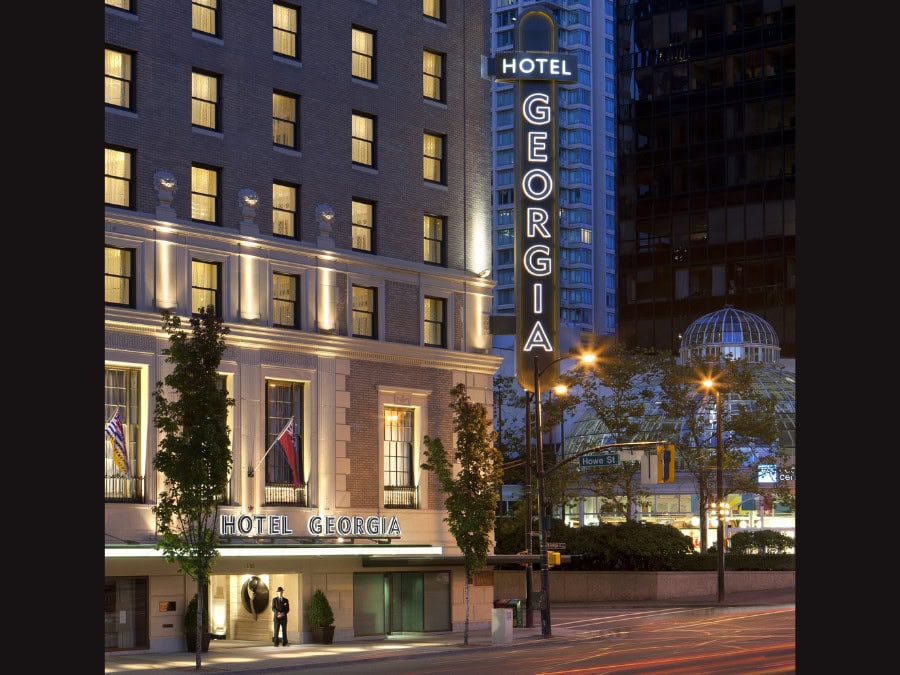
While downtown remains a very popular drinks destination, boasting such high-end bars as the Rosewood Hotel Georgia’s Reflections Terrace (scheduled for a full renovation this year) and afterwork hotspot Nightingale, higher city centre rents have guided many of the city’s smaller bars, such as Laowai and The Keefer Bar, east to Chinatown. Also popular is the southern Mount Pleasant neighbourhood, home to Published on Main, The Shameful Tiki Room and the Portland Craft beer bar.
On the subject of beer, in addition to its largess of creative mixology, Vancouver is home to one of the biggest and best craft brewing scenes in the country, with about 60 breweries operating within the metro region, almost half located within the city limits. Complementing this further is a relative bounty of ten craft distilleries, most with cocktail bars or tasting rooms.
The trends
According to many of the bartenders and bar managers surveyed, the last decade has seen a marked shift in the way Vancouver’s patrons approach their cocktail selection.
“Over the last five to ten years, I’d say the public has become much more trusting of their bartender,” says Grant Sceney, creative beverage director at the Fairmont Pacific Rim. “They aren’t necessarily going to order something very traditional or familiar and are more likely to pick a new-to-them drink off the menu.”
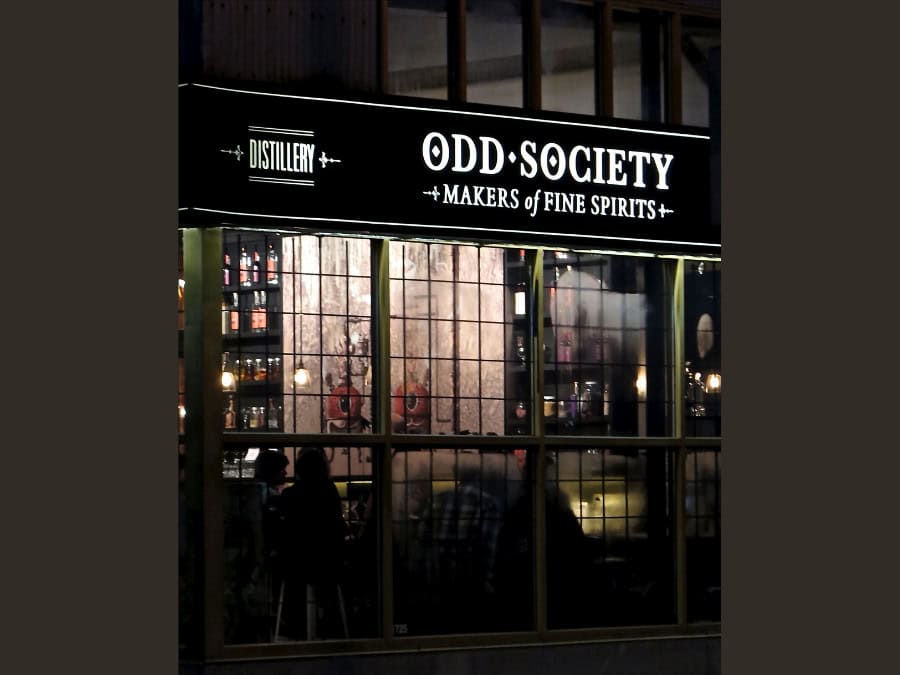
That trust extends to reworking classic cocktails, according to Mia Glanz, bar manager at venerable craft distillery Odd Society Spirits. “One of the top trends is reimagined classics,” says Glanz, “especially so where adding an Asian twist is concerned.”
Glanz’s view is echoed by Dylan Riches, bar manager at the Michelin-starred bar and restaurant Published on Main. “People don’t want to reinvent the wheel, they want to perfect the wheel,” he says, adding that even rather clichéd cocktails like the piña colada are being updated to make them “modern, sexy, better”.
Also trending rather hard in the city is natural wine – unsurprising as the city sits on the doorstep of Canada’s second-largest wine region, the Okanagan Valley. And, as elsewhere in the country, locally brewed beer is particularly strong in the on-premise. “People come into the bar all the time asking what is local and on tap,” says Sceney.
The local players
British Columbia (BC) is unique in Canada in its support of craft distilleries via the ‘BC Craft’ designation, which provides significant tax breaks to distillers that follow a specific set of guidelines, including the use of exclusively British Columbia-grown ingredients. The programme has been so successful that the province is home to roughly one-third of Canada’s 250 or so craft distilleries.
Also providing support for local players is the hospitality industry, with even high-end hotel restaurants and bars taking note of the popularity of local. “Craft beer has led the way, but locally produced spirits are really having an impact,” says Tarun Bhatia, associate director of food & beverage at the Rosewood Hotel Georgia. “People want to hear the stories behind the brands these days and local distilleries provide those stories.”
The provincial craft distilling pioneer, Okanagan Spirits, leads the way, says The Fairmont Pacific Rim’s Sceney, but others are very much coming on. These include Mad Laboratory Distilling, known as ‘Mad Lab’, which make a house gin for the Michelin Bib Gourmand-awarded Vij’s Restaurant Vijis, owned by celebrity chef Vikram Vij, and 2023’s ‘Canadian Whisky of the Year’ recipient Sons of Vancouver.
The international players
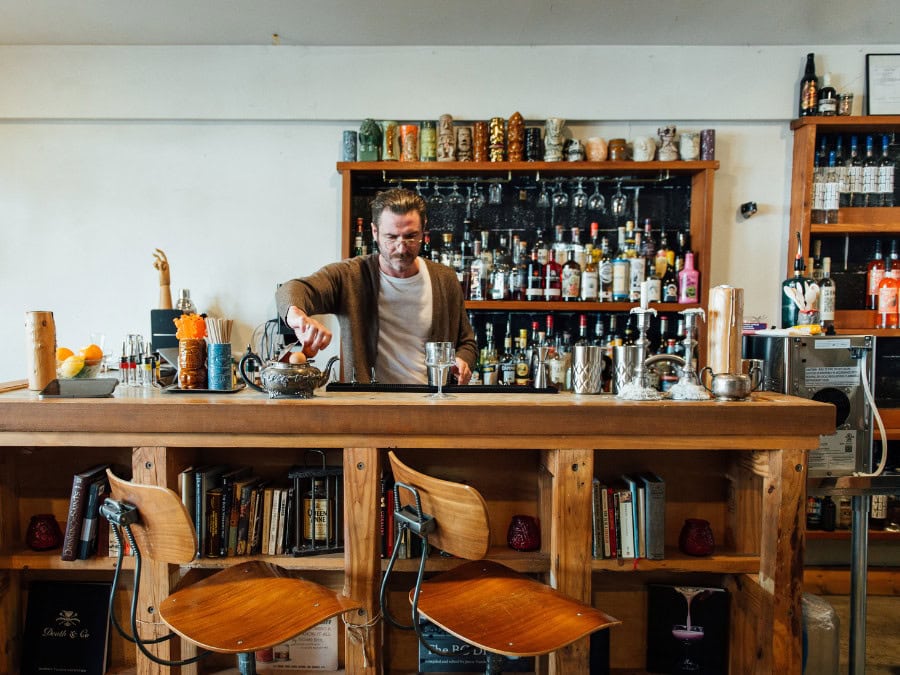
Via its ‘World Class’ cocktail competition, Diageo has had a “huge” impact on the local cocktail scene, according to several other bar managers and bartenders including Gordon Glanz and Miriam Karp, owners of Odd Society Spirits. This hardly comes as a surprise, given that five of the competition’s ten national champions to date hail from Vancouver, including one global winner, Kaitlyn Stewart, and a global runner-up, Jeff Savage.
Having a similar impact is Pernod Ricard via its Hiram Walker subsidiary, which has tapped into the city’s curious thirst for the ‘old fashioned cocktail – available “even in a dive bar,” according to Sons of Vancouver partner & tasting room manager Emmet Groves – through its numerous Canadian whiskies, notably the popular 100% rye grain Lot No.40.
On the beer front, Vancouver joins US west coast cities such as Portland and Seattle in its allegiance to local breweries, although both Anheuser-Busch InBev and Molson Coors maintain strong presences in the city through their Labatt and Molson subsidiaries, respectively.
Challenges and opportunities
One growth area cited by a number of bar managers is lower-strength cocktails, with many if not most cocktail bars offering at least two or three ‘zero-proof’ options. Still, according to Sons of Vancouver’s Groves, the actual market for such drinks remains relatively small.
Another area of potential growth is agave spirits, particularly mezcal, which is noted as growing rapidly in popularity by The Fairmont Pacific Rim’s Sceney. “The only thing keeping mezcal from becoming a huge trend is the currently limited supply,” he notes.
So far as challenges go, the biggest facing Vancouver’s on-premise today is staff retention, explains The Rosewood Hotel Georgia’s Bhatia. “The pandemic cost the industry a lot of talent,” he says, “and the economy being the way it is today, it’s more financially difficult for people to pursue their passions.”
Still, as difficult as that might be, Bhatia also views it as also an area ripe with potential. “With younger talent coming into the industry, there is great opportunity to train people and build their skill,” he says. “It’s up to the organisation to take their passion and convert it into expertise.
“That is how we’ll grow the industry.”
This article has been available to Global Drinks Intel subscribers since December. For details on how to join them, please click here.