

If ever a spirit deserved its own ‘World Day’, it’s vodka; a spirits category worth around US$35bn per year, according to a recent Mordor Intelligence Report. Vodka remains an indispensable staple on backbars worldwide, unmatched for its versatility and mixability. It possesses a rich heritage that stretches back to the Middle Ages and the harsh winters and muddy grain fields of Northern, Central and Eastern Europe.
Today, in its modern, multi-filtered, slickly packaged incarnation, vodka remains the beating heart of countless cocktail classics such as the martini, the moscow mule, the bloody mary and the cosmopolitan.
For all its omnipresence, this off-premise workhorse perhaps needs an annual day in the sun. In stark comparison to more fashionable, flavour-forward spirits categories like whisk(e)y, tequila and gin, vodka has had something of an image problem in recent years. Brand owners are their worst enemies in this respect, often championing their vodkas’ clarity, neutrality and purity – hardly descriptors to get the pulses racing. Meanwhile, many bartenders dismiss vodka as boring, manufactured, and lacking character.
That said, opinions and perceptions change. Category fortunes rise and fall; craft revivals arrive and disappear, so what do leading bartenders currently make of vodka as a category?
In search of answers and as this year’s World Vodka Day on Sunday 4 October looms, Global Drinks Intel has teamed up with UK-based drinks marketing, strategy and activation agency Wilde Toast to reveal exclusive insights from the firm’s latest deep dive into the vodka category. The research is based on in-depth interviews with leading UK-based mixologists, the leading lights of the country’s on-premise, whose opinions deserve an audience.
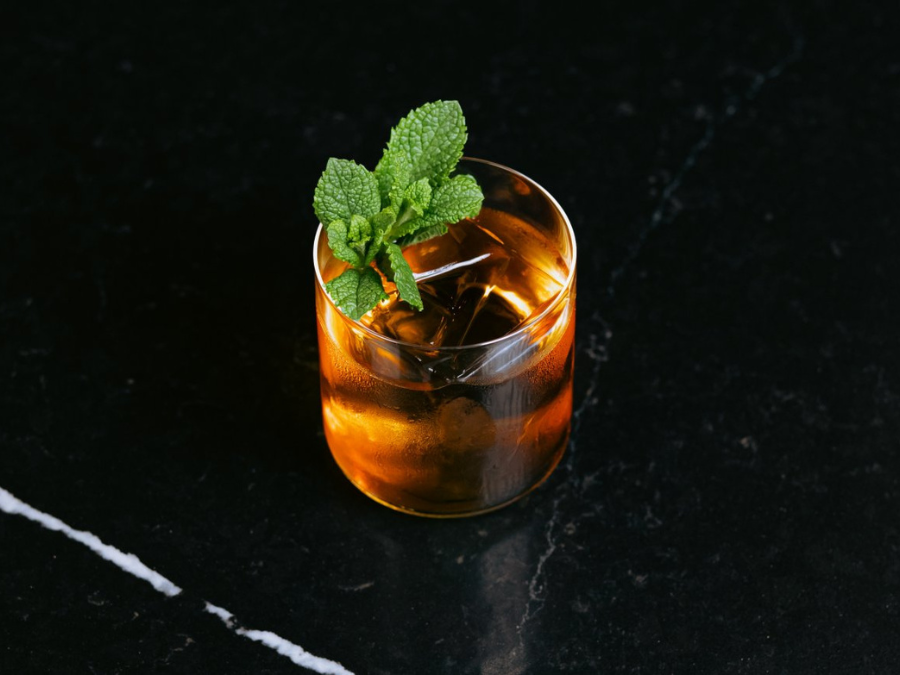
Vodka’s role as a sales powerhouse
One clear headline from the report that should provide a degree of comfort for brand owners, is that vodka remains a sales powerhouse in many venues.
Vodka’s rate of sale is labelled as “strong” among 23% of interviewees and “above average” by a further 18%. However, despite the category’s sterling contribution to the bottom line, interest among consumers in vodka is lukewarm at best, “slightly decreasing” by a worrying 41%. Alarmingly, staff interest in the spirit is on the slide too, with 41% of respondents reporting a decline.
“Currently, the vodka category has stagnated massively over the past several years,” says Joshua Chapman, bartender at Cardiff’s Lab 22, an award-winning, science-inspired cocktail bar located in the city centre, expressing a view held by some – but not all – of the report’s interviewees. “I feel like vodka has become synonymous with a few specific brands that our guests know about, such as Grey Goose, Belvedere, Smirnoff and Au Vodka. If it’s not one of these brands, guests tend to not really care.
“I haven’t seen anything new or interesting with vodka itself, besides superior marketing strategies, and the aesthetics of the bottle the vodka is stored in.”
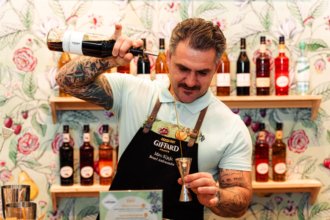
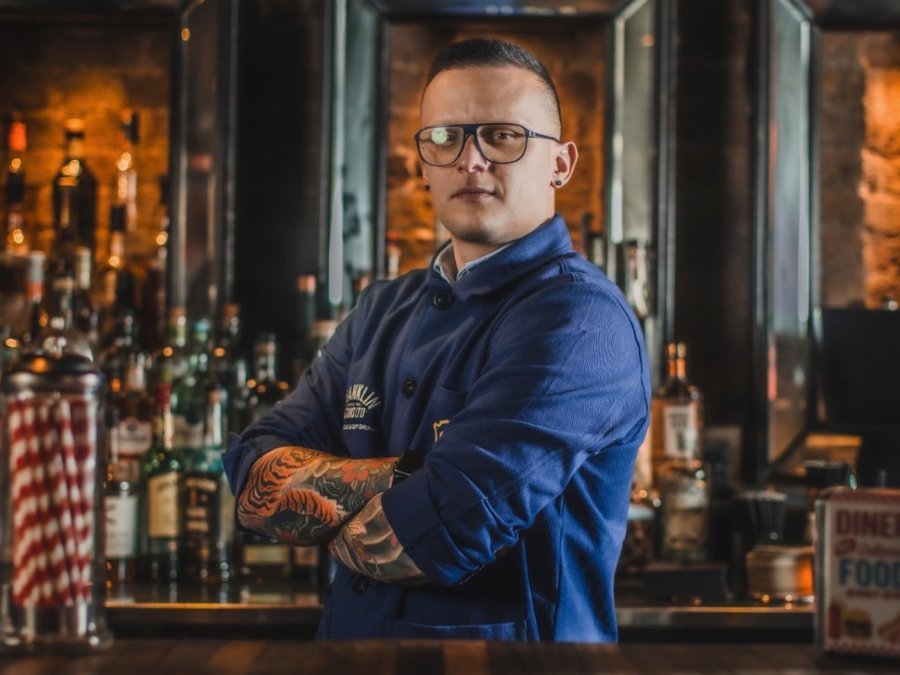
Wilde Toast’s report did uncover plenty more upbeat views, however. “From a bartender’s perspective, vodka is also becoming a more interesting ingredient again,” maintains Simone Crepaldi (below), operations director at London’s acclaimed Callooh Callay. “Techniques like infusions, fat-washing and using vodka to carry delicate flavours give us a lot of room to experiment. Overall, I think the positive trend is vodka developing more of an identity. Clean and smooth is still important, but character, texture and a sense of where the product comes from are becoming just as interesting.”
The bartender at Lyaness in London, Charlie Hibberd, adds: “I think the time of snobby bartenders turning their noses up at vodka is over. It doesn’t have to be a favourite spirit, but there’s so much history and versatility, and vodka is the base of so many amazing classic cocktails.”
Trade-up troubles and two-tier strategies
Classic it may be, but one of vodka’s main on-premise challenges is the fact that consumers are reluctant to trade up – 32% of respondents revealed that guests are “often resistant”. Worse still, many guests order blindly or generically – half said guests order by serve without specifying a brand.
Given that Wilde Toast’s bartender panel encompasses some of the most highly regarded bars in the country, this suggests that vodka has a wider premiumisation problem in the current economic climate, even in upscale locations.
When selecting vodkas to stock, bartenders unsurprisingly prioritise “liquid quality”, with 100% rating it either “very” or “quite” important, followed by “price/margin” at 86%. However, when asked which listing drivers matter the most, traditional factors such as provenance and production story dropped to the bottom (55% rated it “not important” or “unimportant”).
The takeaway here is that many venues are clearly operating a two-tier vodka strategy. There are workhorse pours, evaluated on margin, consistency and versatility – brands such as Absolut and Finlandia score highly in this regard.
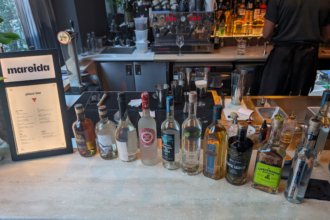
Then there are hero pours, ranked on liquid character, base grain and mouthfeel – brands cited here include small-batch, premium Polish vodka Konik’s Tail, Iceland’s Reyka, filtered through volcanic lava, and Haku (below), Suntory Global Spirits’ Japanese craft vodka.
Character and texture rise in importance
Interestingly, when asked for preferred base ingredients, potato emerged as the top choice (36% of respondents), followed by rye (32%) and wheat (27%). Many of the Wilde Toast bartender panel are seeking out brands made with raw ingredients that naturally impart body, creaminess and subtle savoury notes without artificial flavourings or added sugars.
“Vodka is finally stepping away from hyper-neutrality toward provenance, raw material identity, and texture,” says Anas El Bahhaj, head of bars at London’s five-star Mandrake Hotel. ‘We’re moving beyond spirits that simply ‘disappear’ and toward bottles defined by their base ingredients.
“Black Cow is a prime example – its milk-whey base delivers an unbelievable, velvety mouthfeel that turns a stirred martini into an indulgent, tactile experience rather than just a cold blast of ethanol.”
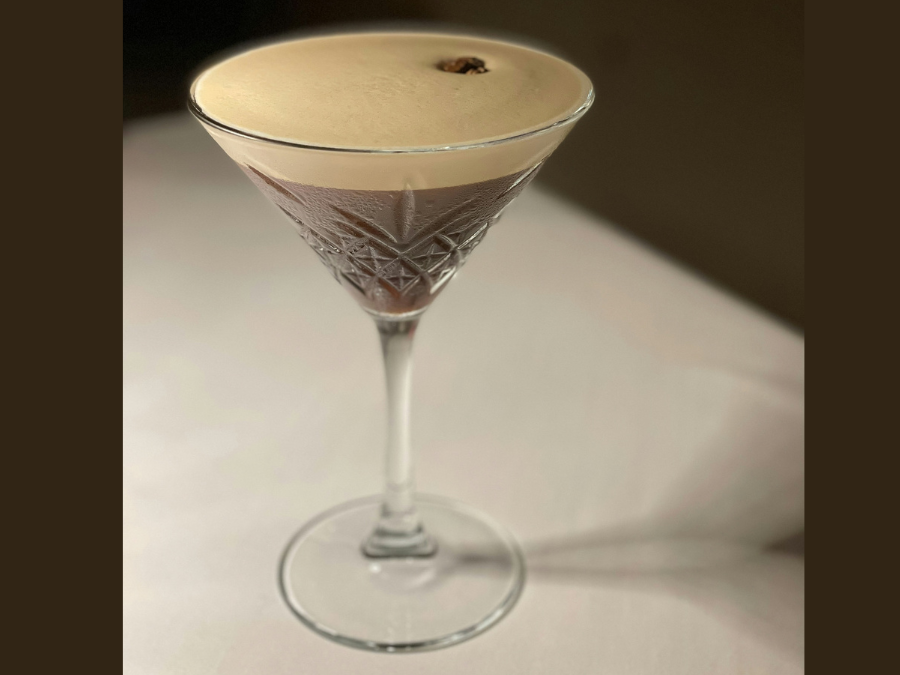
The top-performing vodka-based cocktail was the all-conquering espresso martini (above). According to Francesco Delfino bar manager at Whitehall’s Langosteria at OWO, guests are still “obsessed” by this indulgent classic despite having been in the “market for ages”. The iconic serve allows bartenders to play with not only the optimal vodka used, but also with a wide range of coffee liqueurs to find the right balance between vodka body and coffee intensity.
Passionfruit martini hits the ‘sweet spot’
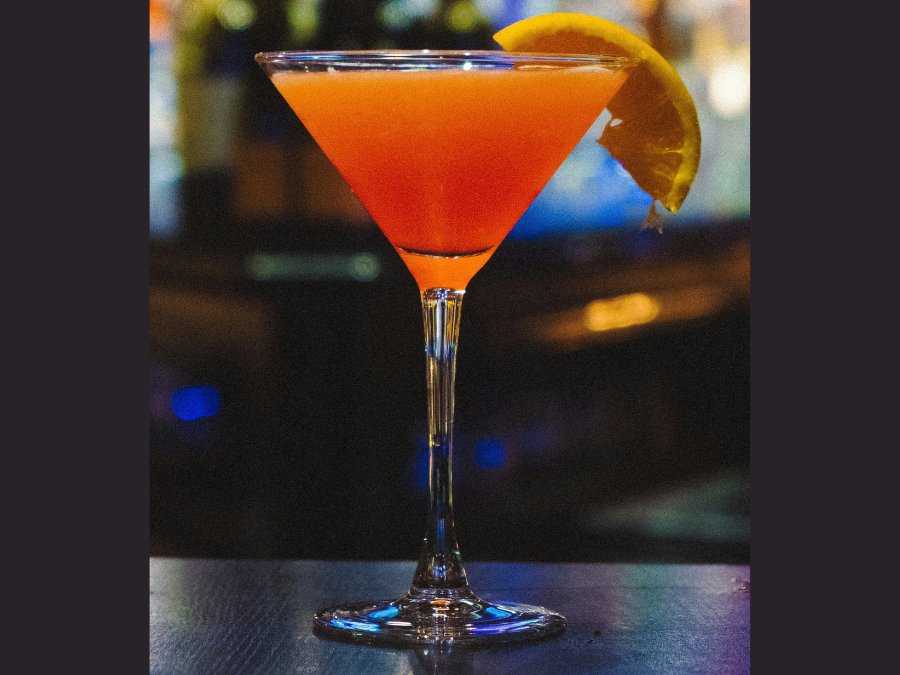
With an 82% score, the passionfruit/porn star martini (above) came in second place.
“Our best-seller is easily the passion fruit martini,” says Mandrake Hotel’s El Bahhaj. “It hits that perfect sweet spot of nostalgic indulgence and high-energy appeal, but its real secret lies in balance and mouthfeel.
“Passion fruit naturally brings an intense, tropical brightness and sharp acidity, so when it’s balanced against a rich, textured vodka base and a clean vanilla profile, it becomes completely irresistible.”
While the espresso martini and porn star martini are perfect on-premise volume drivers, the classic, stripped-down vodka martini, ranked third in the report with 77%, allows bartenders a chance to showcase their art and promote brands with character and provenance.
“For drinks where vodka is the main focus, particularly a martini, I prefer something with more texture and character, such as Konik’s Tail,” says Callooh Callay’s Simone . “I want the vodka to actually contribute to the drink rather than just provide alcohol.”
Authentic advocacy over the hard sell
When asked how brands can build real advocacy, bartenders overwhelmingly rejected transactional sales pitches and pointless freebies. “Bartenders don’t need another branded tote bag or a generic sales deck; we need spirits that solve creative puzzles on our menus,” says El Bahhaj.
Instead, they asked for:
In-venue presence and education, spanning ambassador support, staff tastings, and masterclasses, using a tailored bar-by-bar approach. “Research the bar to begin with,” says Blaise Bachelier, co-founder of Birmingham’s Fox & Chance cocktail bar. “Both parties in those meetings are busy, so if you pitch either the wrong product for our bar or even a product in the wrong way, it will put a negative on the whole interaction.”
Collaborative activation such as supporting events, guest shifts, menu photography and videos, and social media promotion highlighting the venue or bartender.
Post-listing support and developing long-term relationships. Too many brands put all their effort into getting onto the back bar and then disappear,” says Crepaldi. Getting listed is only the beginning. If bartenders understand the product, enjoy working with the brand and feel supported by the people behind it, advocacy happens much more naturally.”
For vodka brands willing to ditch the generic pitches and invest in genuine trade advocacy, there has never been a better moment to help shape the next chapter of this resilient, but perhaps unloved category.